

2026 Top Manual Cutting Machine Types to Buy?
Choosing the right Manual Cutting Machine in 2026 requires more than comparing prices or counting advertised features. Workshops now handle paper, fabric, leather, foam, film, and thin sheet materials. Each material demands a different cutting method, blade design, and pressure level. A machine that performs beautifully on cardboard may damage delicate textile edges.
This guide examines the main types buyers may consider, including guillotine cutters, rotary cutters, lever-operated machines, die cutters, and hand-operated tabletop models. It compares cutting capacity, accuracy, workflow speed, maintenance needs, and operator comfort. Small details matter. A stable base, visible measurement scale, replaceable blade, and reliable safety guard can change daily performance. Real working conditions should guide the decision, not showroom claims.
W. Edwards Deming, a respected manufacturing quality expert, said, “Quality comes not from inspection, but from the improvement of the production process.” His principle remains useful here. The best machine is not always the largest or most expensive. It is the one that repeatedly produces clean results with manageable effort. Still, no buying guide can predict every workshop’s needs. That limitation deserves attention. A machine tested on samples may behave differently during an eight-hour production run.
Readers should check material thickness, cutting width, expected volume, available workspace, and replacement-part access before purchasing. They should also review operating instructions and manufacturer support. Some affordable models look practical but create alignment problems after repeated use. Others feel slower but deliver better control. This comparison aims to make those trade-offs visible, helping buyers choose with evidence rather than impulse.
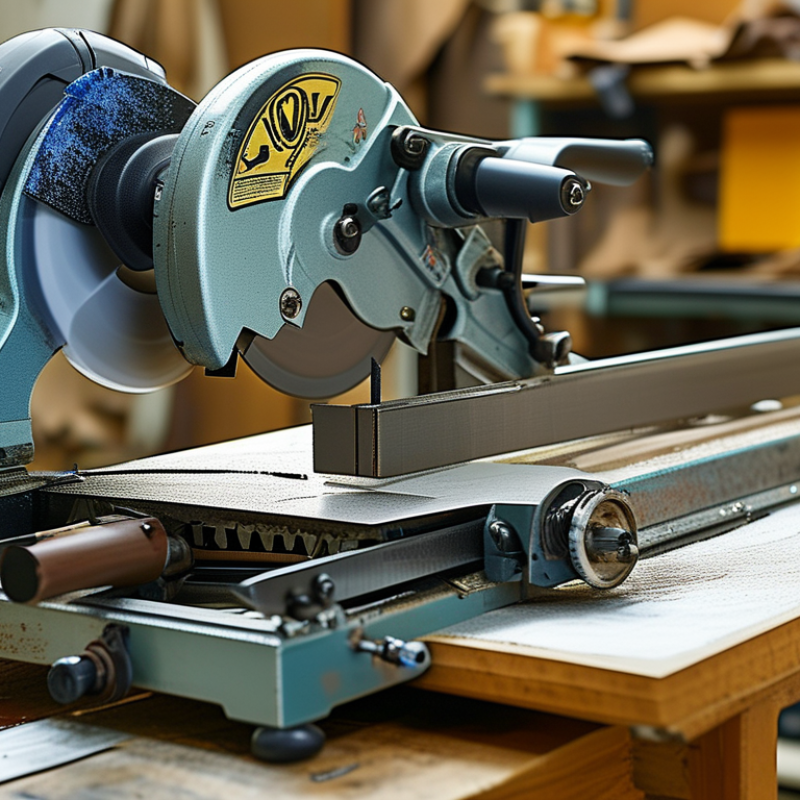
What Is a Manual Cutting Machine and How Does It Work?
A manual cutting machine is a tool that cuts material through human force rather than an electric motor. Common designs include guillotine, rotary, lever, and die-cutting machines. Each uses a blade, wheel, or shaped die to apply controlled pressure. The operator places paper, fabric, leather, foam, or thin sheet material on a flat surface. A handle or lever then transfers force downward or across the material.
The process looks simple. It is not always simple.
Accurate cutting starts with a clean work surface and a firmly positioned material. A ruler, guide, or cutting template helps maintain consistent dimensions. In workshop use, I have found that blade sharpness affects results more than expected. A dull edge can crush fabric, tear paper, or leave rough metal edges. Excessive pressure may also distort flexible materials. I once measured the guide correctly but ignored the material grain, producing uneven fabric pieces. That mistake was useful, although frustrating.
A suitable machine depends on thickness, shape, volume, and required precision. A rotary cutter suits long fabric lines, while a lever cutter handles repeated straight cuts. Die-cutting works well for identical shapes. Before operation, check the blade guard, hinge, handle, and base stability. Keep fingers outside the cutting path, and secure small pieces with an appropriate clamp or guide. Manual machines can deliver impressive accuracy, but they still depend on careful setup and steady technique.
2026 Top Manual Cutting Machine Types to Buy
A manual cutting machine uses human-powered force to move a blade, wheel, or shear through a material. The chart compares representative maximum cutting lengths found across common manual machine categories. Actual capacity varies by design, blade quality, and material.
Rotary trimmers are suited to accurate light-duty sheet cutting, lever guillotines handle thicker paper stacks, metal shears cut thin sheet metal, tile cutters score and snap ceramic materials, and circle cutters are designed for round openings. Manual operation reduces power requirements but requires appropriate pressure, alignment, and safety control.
Which Manual Cutting Machine Types Are Available in 2026?
Manual cutting machines remain useful where operators need control, low setup costs, and flexible production. Common choices include guillotine paper cutters, lever cutters, rotary trimmers, manual die cutters, and hand-operated fabric cutters. A guillotine model handles stacked paper or board with a straight blade. Rotary trimmers suit lighter sheets and detailed edge work. Manual die cutters apply pressure through a shaped die, making repeated labels, cards, or packaging pieces.
Practical differences matter. A lever cutter needs a stable table and a guarded blade area. A rotary trimmer offers cleaner alignment but usually cuts fewer layers. Manual die cutting delivers repeatable shapes, although changing dies increases preparation time. For fabric, a rotary cutter works well on short runs, while a hand-crank cutting machine can manage thicker layered materials. Test the actual material first. Small errors become expensive quickly.
Industry data supports continued demand for flexible converting equipment. Smithers’ The Future of Global Packaging to 2028 forecasts the global packaging market will exceed 1.2 trillion dollars by 2028, increasing interest in small-batch cutting tools. Grand View Research also reports steady growth in the global textile machinery market through the decade. These reports do not guarantee manual-machine sales, however. I would compare cutting depth, safety guards, replacement-blade access, and measured output before buying. Forecasts can be imperfect. Real workshop conditions matter more.
How Do Different Manual Cutting Machines Compare?
Manual cutting machines differ mainly in force, accuracy, and material range. A guillotine cutter suits paper stacks and straight office work. Its long blade gives clean edges, but alignment becomes difficult with thick piles. A rotary cutter works better for fabric, vinyl, and thin sheets. It follows curves more easily, although its blade may drift during repeated cuts.
For dense materials, a lever shear delivers stronger pressure through a shorter cutting path. It is practical for leather, cardboard, and thin plastic sheets. Manual die cutters create consistent shapes, especially for small packaging runs. However, each new shape needs a separate die, which increases setup cost. Grand View Research estimates the global textile machinery market reached about USD 26.4 billion in 2023, with growth expected through 2030. This does not measure manual machines directly, but it shows continuing demand for flexible material processing. Smithers also forecasts packaging demand to keep expanding through 2028, supporting small-batch cutting needs. Report definitions vary. That matters.
Tips: Test the machine with your actual material, not a sample sheet. Check cutting width, blade replacement, bed stability, and operator reach. For fabric, make ten repeated cuts and measure variation. For paper, inspect the bottom sheet, where crushing often appears first. A cheaper machine can become expensive when blades, dies, and wasted material accumulate. I would also leave extra capacity, because real workloads usually grow faster than expected.
What Features Should You Check Before Buying?
2026 Top Manual Cutting Machine Types to Buy?
What Features Should You Check Before Buying?
A manual cutting machine should match the material, not merely the advertised cutting width. For paper, cardboard, vinyl, fabric, or thin sheet metal, check the stated capacity carefully. Real performance can change with moisture, density, and repeated use. Ask whether the blade cuts evenly across the full edge. A clean first cut matters.
Inspect the guard, handle, base, and measurement scale. The handle should feel controlled, not dangerously loose or stiff. A stable base prevents drifting on a crowded worktable. Look for clear metric markings and an adjustable guide. Small errors become expensive when every piece must match. Test the lock before purchase. It should hold firmly without excessive force.
Blade replacement and sharpening deserve equal attention. Some machines seem affordable until maintenance becomes difficult. Check whether replacement parts are available locally and whether cleaning requires special tools. For frequent work, compare hand position, operating comfort, and noise. Follow the machine’s safety instructions near moving blades. I once focused too much on maximum thickness. That number did not reflect daily comfort or accuracy. A slower machine with better control may produce less waste. Question vague durability claims. Ask for measurable details, user guidance, and a clear service policy before committing.
2026 Top Manual Cutting Machine Types to Buy? - What Features Should You Check Before Buying?
| Machine Type | Typical Materials | Typical Cutting Capacity | Primary Cutting Method | Best Use | Key Features to Check Before Buying | Portability | Typical Maintenance | Relative Cost |
|---|---|---|---|---|---|---|---|---|
| Manual Guillotine Paper Cutter | Paper, cardstock, photographs, brochures and light book blocks | Approximately 10–25 mm per cut, depending on paper density and blade length | Lever-operated straight blade | Office work, classrooms and small print jobs |
| Medium | Blade sharpening, cleaning and hinge lubrication | Low to medium |
| Rotary Paper Trimmer | Single sheets, photos, labels, thin cardstock and laminated documents | Usually 1–10 sheets of standard office paper per pass | Sliding rotary blade | Clean, precise trimming and frequent light-duty work |
| High | Replacing the blade or cutting strip and removing paper dust | Low |
| Manual Stack Paper Cutter | Paper stacks, forms, flyers, business cards and book pages | Approximately 30–80 mm, depending on the model and material | Long lever or handwheel blade mechanism | Higher-volume cutting without electrical power |
| Low to medium | Blade servicing, clamp adjustment and guide lubrication | Medium to high |
| Manual Rotary Fabric Cutter | Cotton, linen, denim, felt, quilt layers and synthetic fabrics | Generally up to 8–20 fabric layers, depending on blade diameter and fabric thickness | Hand-rolled circular blade | Sewing, quilting and garment pattern cutting |
| High | Changing dull blades and cleaning lint from the blade housing | Low to medium |
| Manual Vinyl and Film Cutter | Self-adhesive vinyl, masking film, stencil film and thin flexible sheets | Usually 300–700 mm cutting width; material thickness often below 1 mm | Guided drag knife or hand-fed blade | Sign preparation, stencils and craft applications |
| High | Cleaning adhesive residue and replacing worn blades | Low to medium |
| Manual Mat and Board Cutter | Foam board, mat board, cardboard, mount board and lightweight composite board | Typically 3–10 mm board thickness, depending on blade and guide design | Guided straight knife or bevel-cut blade | Framing, displays, models and presentation boards |
| Medium | Blade replacement, guide cleaning and alignment checks | Medium |
| Manual Leather Strap and Strip Cutter | Leather, rubber sheet, gasket material and flexible synthetic sheet | Commonly 1–5 mm material thickness; strip width varies by guide design | Fixed utility blade or adjustable slitting blade | Leathercraft, belts, straps and gasket preparation |
| High | Blade replacement, removal of leather debris and guide lubrication | Low to medium |
| Manual Metal Sheet Shear | Aluminum, mild steel, copper and other thin sheet metals | Often about 0.8–2.0 mm mild steel; capacity varies by blade length and design | Lever-operated guillotine or bench shear | Workshop repair, fabrication and prototype work |
| Low to medium | Blade-gap adjustment, rust prevention and pivot lubrication | Medium to high |
| Manual Tube and Pipe Cutter | Copper, aluminum, brass, plastic and thin-wall metal tubing | Commonly approximately 3–35 mm outside diameter, depending on the tool size | Rotating cutting wheel with adjustable pressure | Plumbing, HVAC service and workshop tube cutting |
| High | Replacing worn wheels, cleaning chips and lubricating the feed screw | Low to medium |
Note: Capacity figures are typical working ranges for manual equipment and vary with material density, blade condition, operator force, cutting length and machine construction. Always confirm the manufacturer’s capacity rating and safety instructions for the exact model before purchase.
Which Manual Cutting Machine Best Fits Your Materials and Tasks?
Choosing a manual cutting machine starts with the material, not the machine’s price. For thin paper, a guillotine cutter gives clean, straight edges on menus, labels, and office stacks. A rotary cutter suits fabric, vinyl sheets, and repeated trimming. For leather or dense board, a hand-operated die cutter delivers consistent shapes with less wrist strain.
Material volume matters too. FAO’s 2022 forestry data recorded about 417 million tonnes of global paper and paperboard production. That scale shows how varied paper tasks can be, from delicate sheets to rigid packaging board. A lever cutter may handle small batches efficiently, but it can struggle with thick layered stock. Test the largest planned stack first. It is an easy step to forget.
For craft work, a rotary blade and self-healing mat offer flexibility around curves and short cuts. For framing, a bevel mat cutter creates controlled angles in foam board and mount board. The U.S. Environmental Protection Agency reported a 46.2% recycling rate for paper and paperboard in 2018, so clean, accurate cuts can also reduce avoidable offcuts. However, waste depends on layout, operator skill, and blade condition. Manual does not mean effortless. Look for a guarded blade, stable base, readable measurements, and replaceable cutting parts. My practical view is imperfect: one machine rarely handles every material well. A small test sheet often reveals more than a specification table.