

top of page

10 Best Maocai Business Expansion Strategies for Global Buyers

Expanding a malatang or maocai brand beyond its home market requires more than copying a successful store format. Maocai Business Expansion depends on careful research, reliable suppliers, and a clear understanding of local dining habits. Customers may value spice, freshness, portion size, or convenience differently across cities and countries. A broth that succeeds in Chengdu may need adjustment in London, Dubai, or Toronto.

This guide presents ten practical strategies for global buyers evaluating maocai opportunities. It covers market validation, partner selection, ingredient sourcing, kitchen standards, staff training, pricing, digital marketing, and scalable store design. Each strategy connects business ambition with operational detail, such as temperature logs, supplier audits, allergen records, and delivery-time targets. These controls support food safety and help create consistent customer experiences.

However, no expansion plan is perfect. Some forecasts will be wrong. Local feedback may challenge familiar recipes, branding choices, or investment assumptions. That is useful information, not failure. Experienced operators test small, measure results, and revise decisions before committing significant capital. They also consult qualified local professionals about licensing, employment rules, labeling, taxation, and food regulations. Global buyers need dependable evidence, not attractive promises. With disciplined research and transparent partnerships, maocai expansion can become a manageable process rather than a costly experiment. Progress may be slower than expected. That can be healthier.
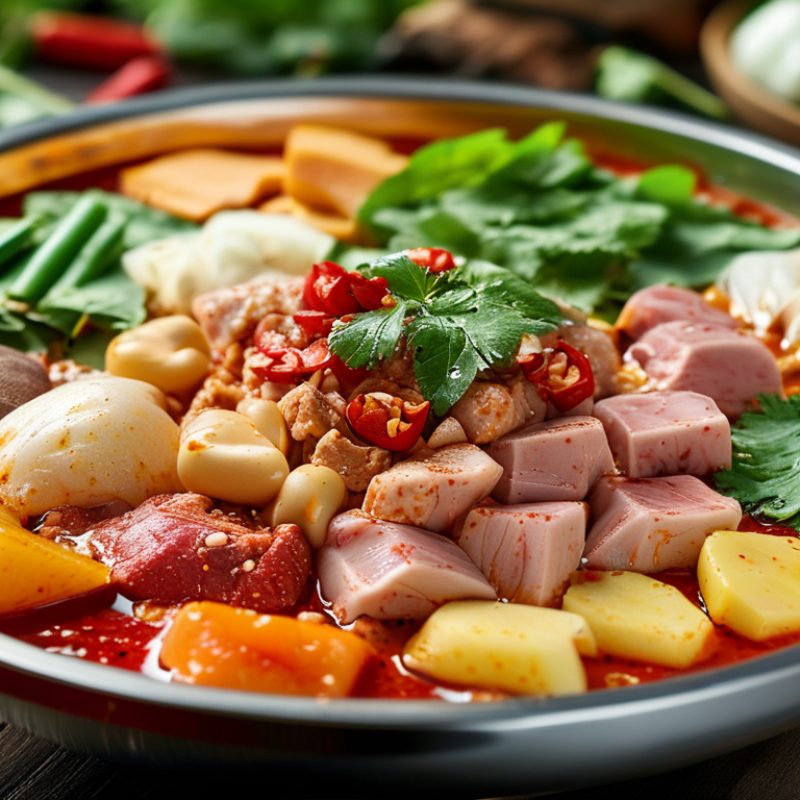
10 Best Maocai Business Expansion Strategies for Global Buyers

Define Maocai’s Global Value Proposition Using the $100B+ Hot Pot Market

Maocai can present a practical value proposition within the $100B+ global hot pot market. Unlike shared hot pot, it offers one customized bowl with selected ingredients and broth. This format suits office districts, food halls, and smaller dining spaces. Customers can choose vegetables, noodles, tofu, or meat by weight. They also control spice levels, portion size, and cooking preferences.

For global buyers, the strongest opportunity is operational flexibility. A compact kitchen can serve quick meals without a large table setup. Standardized broth bases may support consistent flavor across locations. Local ingredients can reduce supply pressure and improve customer familiarity. Clear allergen information, temperature controls, and traceable sourcing are essential for reliable operations. These details build trust more effectively than decorative marketing.

The model still requires careful testing. Spicy flavor does not transfer equally across cultures. Some customers may prefer fragrant, mild, or sour profiles. Pilot stores should measure order times, waste levels, repeat visits, and broth preferences. Data matters. A buyer should also examine labor costs, import rules, kitchen ventilation, and food safety requirements before expansion. The $100B+ market creates attention, but broad market size does not guarantee local demand. Maocai must feel authentic without becoming difficult to understand. That balance remains imperfect, and each market may need a different answer.

Prioritize Expansion Markets with 6–8% Annual Foodservice Growth

10 Best Maocai Business Expansion Strategies for Global Buyers

Prioritize Expansion Markets with 6–8% Annual Foodservice Growth

A 6–8% annual foodservice growth rate can signal strong demand, but it should not decide expansion alone. IMARC Group’s 2024 foodservice market assessment projects steady global growth through 2032. Regional performance still differs sharply. Buyers should compare growth with urban population, delivery usage, rental costs, and import procedures. The best market may not be the fastest-growing one.

Start with three to five cities. Measure weekly orders, repeat purchases, preparation time, and ingredient waste. A small test kitchen can reveal more than a national forecast. In my experience, customers often accept bold spice levels, but they may reject unfamiliar serving formats. Portion size matters. So does queue speed.

Grand View Research identifies Asia-Pacific as a high-growth foodservice region, with forecasts near the 6–8% range in several market segments. Treat that range as directional, not guaranteed. Forecast models can miss inflation, currency pressure, and sudden policy changes. Buyers should build menus around locally permitted ingredients and stable suppliers. Cold-chain interruptions remain a practical risk. A cheaper market can become expensive after logistics, training, and compliance costs.

Use a 90-day pilot before committing major capital. Track customer acquisition cost and gross margin by location. Review results every two weeks. Some assumptions will fail. That is useful evidence, not wasted effort. Better expansion decisions come from measured local behavior, not attractive percentages alone.

Standardize Recipes and Supply Chains Around a 28–35% Food-Cost Ratio

10 Best Maocai Business Expansion Strategies for Global Buyers

Standardize Recipes and Supply Chains Around a 28–35% Food-Cost Ratio

A scalable maocai operation needs one cost rule across every market. Set food cost between 28% and 35% of net sales. The National Restaurant Association’s 2024 industry report placed median food and non-alcohol beverage costs near 32% for restaurant operators. This benchmark supports disciplined pricing, but local labor, freight, rent, and duties still require adjustment. Do not copy one country’s menu price blindly.

Build a recipe book with gram-level specifications. Record broth weight, chili oil volume, protein portions, vegetable yield, and cooking loss. A 500-gram serving should remain consistent, even when suppliers change. Approved substitute lists can protect supply continuity. For example, define acceptable ranges for pepper heat, tofu firmness, and leafy-green moisture. Taste testing must happen locally. A spreadsheet cannot detect every flavor defect.

Use weekly purchasing data to track variance. Review purchase price, usable yield, waste, and emergency freight separately. The UNEP Food Waste Index Report 2024 estimated that 1.05 billion tonnes of food were wasted in 2022. Small preparation errors can become expensive at scale. Trim vegetables by standard weight, chill ingredients quickly, and rotate stock by delivery date. Some operators may overestimate savings from bulk buying. I have seen oversized orders create spoilage, storage pressure, and weaker cash flow. A 28–35% target is useful, but it should be tested against real invoices, local demand, and seasonal supply.

Localize Menus, Pricing, and Spice Levels for 60–70% Repeat Visits

For global maocai buyers, localization starts with the ordering screen, not the kitchen. The National Restaurant Association’s 2024 State of the Restaurant Industry report says 52% of U.S. adults consider takeout or delivery essential. That makes menu clarity a retention tool. Offer three spice levels, using plain labels such as “warming” and “fiery.” Show broth base, allergens, protein choices, and portion size beside each item. Keep one regional signature. Adapt the rest.

Pricing must feel predictable. PwC’s 2024 Voice of the Consumer Survey reports that 46% of consumers worry about food costs. Build a visible entry bowl, standard bowl, and premium bowl. Display the final price before checkout. In Southeast Asia, smaller lunch portions may improve conversion. In Europe, transparent service and allergen information may matter more. Test these assumptions locally. They can be wrong.

To pursue 60–70% repeat visits, track reorder rates by city, spice choice, basket value, and visit interval. A four-week pilot can compare localized menus against the original menu. Interview ten customers per location, then review refunds and abandoned carts. Do not force extreme heat as a loyalty shortcut. Taste adaptation differs sharply across markets. Our target may be too high in a new territory. A stronger early signal is a second visit within 30 days, supported by consistent flavor, fair pricing, and fast preparation.

10 Best Maocai Business Expansion Strategies for Global Buyers — Localize Menus, Pricing, and Spice Levels for 60–70% Repeat Visits
No. Expansion Strategy Practical Localization Action Core Data Dimension Recommended Operating Benchmark Expected Business Effect Implementation Timeline Priority
1 Build a Tiered Spice-Level System Offer five clearly named levels, such as Mild, Medium, Hot, Very Hot, and Extra Hot. Use visual icons and allow customers to change spice levels on repeat orders. Spice-level selection rate 5 levels; 80%+ of orders assigned a recorded spice level Reduces ordering anxiety, improves first-visit satisfaction, and supports repeat purchasing. 2–4 weeks High
2 Localize the Menu Architecture Keep core Sichuan-style ingredients while adding familiar local vegetables, proteins, dietary options, and clearly translated ingredient descriptions. Menu localization ratio 20–30% localized items; 70–80% core items Balances authenticity with local accessibility and increases the size of the addressable customer base. 4–8 weeks High
3 Use Transparent Weight-Based Pricing Display the price per 100 grams or per standard portion before customers begin selecting ingredients. Add a visible total-price estimate during ordering. Average order value and price clarity Price variance within ±10% of the displayed estimate Limits bill shock, improves trust, and makes the format easier to compare with local quick-service restaurants. 2–6 weeks High
4 Create Localized Value Sets Offer lunch sets, single-person bowls, family bundles, and student or office-worker combinations based on local dining habits. Set-meal contribution to sales 25–40% of transactions from defined meal sets Shortens decision time, improves portion control, and increases weekday demand. 3–6 weeks High
5 Offer Dietary and Allergen Filters Mark vegetarian, vegan, gluten-free, halal-compatible, dairy-free, nut-containing, and allergen-sensitive ingredients where applicable. Use separate preparation procedures when required. Dietary-choice coverage 100% of ingredients labeled; 3–5 dietary pathways available Improves conversion among mixed groups and lowers avoidable service complaints. 3–5 weeks High
6 Adapt Portions to Local Eating Occasions Test small, regular, and large portions for solo dining, sharing, takeaway, and delivery. Track leftovers and customer satisfaction by portion size. Portion mix and food-waste rate 3 portion sizes; target food waste below 5% of prepared food Improves perceived value while protecting margins and reducing unnecessary waste. 4–8 weeks Medium
7 Design for Fast, Consistent Service Standardize ingredient replenishment, queue flow, cooking batches, cashier instructions, and order handoff. Separate dine-in and delivery pickup where possible. Service speed and order accuracy Average service time under 8 minutes; order accuracy above 97% Supports lunch traffic, reduces queue abandonment, and creates a more reliable customer experience. 4–10 weeks High
8 Use a Repeat-Visit Loyalty Program Reward visits rather than only spending. Combine digital stamps, personalized spice preferences, birthday offers, and a reward after a realistic number of visits. Customer retention and visit frequency Target 60–70% repeat visits within a defined 90–180-day cohort window Builds habitual usage and provides first-party data for menu and promotion decisions. 4–8 weeks High
9 Localize Digital Ordering and Content Use local language, local currency, metric units, region-specific payment methods, accurate food photography, and short explanations of unfamiliar ingredients. Digital conversion rate Mobile ordering conversion target of 3–8%; menu load time under 3 seconds Reduces friction for first-time buyers and improves conversion across delivery and click-and-collect channels. 3–6 weeks High
10 Run a Local Test-and-Learn Program Test menu names, prices, spice labels, bundle sizes, promotions, and opening hours by neighborhood before rolling out changes across all locations. Experiment velocity and gross-margin control 2–4 controlled tests per month; maintain target food cost near 28–35% of sales Reduces expansion risk, identifies local demand patterns, and protects unit economics. Ongoing; review monthly High
Planning note: The percentages and operating ranges are practical planning benchmarks for international food-service expansion. Actual targets should be validated against local labor costs, rent, taxes, food prices, regulations, customer research, and cohort-level sales data.

Scale Stores and Delivery with a 12–18-Month Payback Target

Maocai expansion works best when each new location proves its economics before rapid rollout. Global buyers should test demand with one compact store and a controlled delivery radius. Track daily orders, average ticket, ingredient waste, labor hours, and repeat purchases. Set a 12–18-month payback target, but treat it as a planning range, not a promise. Rent, import costs, taxes, permits, and local food regulations can change the calculation quickly.

Store design should support both dine-in service and delivery preparation. Use a clear ingredient display, measured portions, and a simple kitchen workflow. Regional menus can include familiar vegetables, proteins, and spice levels while preserving the meal’s core identity. Delivery packaging must protect temperature, texture, and broth quality during a 30-minute journey. I once underestimated packaging costs in an expansion model. That error reduced the expected margin. Recheck assumptions with actual invoices.

Tips: Build a weekly cash-flow sheet. Review payback every month. Keep two approved suppliers for critical ingredients. Train staff with visual recipes and timed practice. Start with a small delivery zone, then expand after order density improves. Do not open several stores only because the first location looks busy. Compare weekday and weekend data, customer acquisition costs, refund rates, and labor productivity. A careful pilot may feel slow, yet it often prevents expensive, difficult-to-reverse decisions.

bottom of page