

7 Best Rental Door Locks for Apartments in 2026
Choosing a Rental Door Lock in 2026 means balancing everyday convenience with dependable access control. Renters often need a lock that fits the existing door, works with their routine, and can be installed without permanent changes. A keypad may help when carrying groceries or sharing access with a trusted guest. A traditional deadbolt may suit people who prefer simple operation and fewer electronic features. Small details matter.
This guide compares seven rental-friendly door locks by installation, access options, connectivity, and practical trade-offs. Check the lock’s measurements against your door, including its thickness, backset, and existing hardware. Look for clear instructions, reliable customer support, and a sensible plan for batteries or backup entry. Smart features can be useful, but an app connection does not guarantee stronger security. Fit comes first.
Before changing any hardware, review your rental agreement and ask the property manager when approval is needed. Requirements can vary by property, so do not assume a lock will be permitted just because it is easy to install. Also consider who needs access, whether the door has a compatible deadbolt, and what happens during a power or network outage. No lock is perfect. Even a well-reviewed model may feel inconvenient if its setup does not match your home. The recommendations ahead are intended to help renters compare options carefully, understand limitations, and choose a lock that suits their door and daily needs.
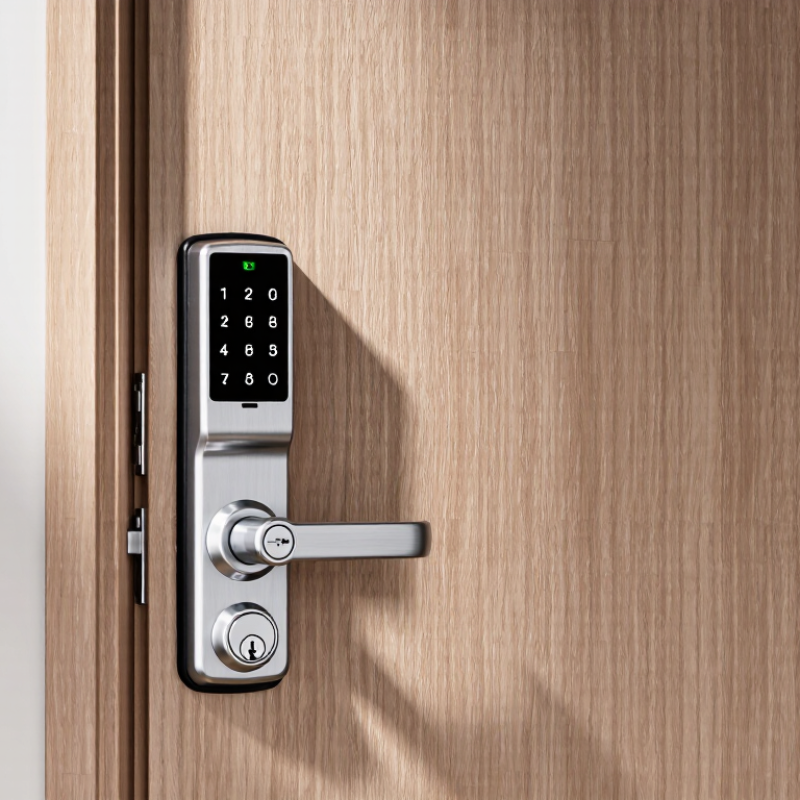
Rental Door Locks: Basics, Benefits, and Tenant Limitations
A rental door lock should balance resistance, daily convenience, and a tenant’s ability to leave quickly. Common options include keyed deadbolts, keypad locks, and retrofit smart locks that fit over an existing interior thumbturn. A deadbolt adds a separate locking point; a keypad avoids hiding a spare key under a mat.
Small gains matter. The FBI’s 2023 Crime in the United States report recorded 847,522 burglary offenses nationwide. That broad figure is context, not a prediction of risk for any particular apartment.
A stronger lock cannot compensate for a loose strike plate, a hollow frame, or a door that does not close fully. Check the frame and screws, too. Smart features can help with temporary access, but batteries can die, apps can fail, and shared entry codes need careful management.
I would not treat a connected lock as a cure-all. Tenants should review their lease and ask the property manager before replacing hardware or changing keys; building access systems and emergency procedures may also be affected.
Keep a working exit route, and confirm who can regain access if the lock malfunctions. These checks are easy to overlook.
Types of Door Locks Suitable for Apartment Rentals
Apartment rentals need locks that balance dependable security with easy maintenance and simple access changes. A single-cylinder deadbolt is a practical choice for many entry doors, provided the door and frame are sound. The Builders Hardware Manufacturers Association’s ANSI/BHMA A156.2 grading standard tests cylindrical locks for up to 1,000,000 cycles at Grade 1, 800,000 at Grade 2, and 500,000 at Grade 3. These figures measure endurance, not resistance to every attack. The FBI recorded 847,522 burglary offenses in the United States in 2023, useful context but not a prediction for any one building.
Keyed cylindrical locks can suit apartments where residents prefer a familiar key and owners need straightforward servicing. Keypad and smart deadbolts reduce key handoffs and can simplify access changes between tenants. Check that a mechanical key override is available, batteries are easy to replace, and former access codes can be removed. Convenient, but not effortless. Low-battery alerts and guest codes need attention.
For shared buildings, a lever lock may work well on interior doors, but it should not replace an appropriate deadbolt on the main entrance. A door viewer and reinforced strike plate can also improve the entry setup. Before choosing hardware, check the existing door thickness, backset, and landlord approval. A smart lock can look ideal online and still fail to fit an older door.
| Lock Type | How It Works | Typical Installation | Rental-Friendly Advantages | Important Considerations | Best Fit |
|---|---|---|---|---|---|
| Single-Cylinder Deadbolt | A key operates the exterior side; a thumb turn operates the interior side. | Usually fits a standard door preparation, but dimensions and backset should be checked before purchase. | Simple, widely used, and does not require a key to exit from inside. | May require landlord approval or drilling if the door has no compatible deadbolt. Check local building and fire-safety rules. | A straightforward keyed upgrade where the existing door and lease permit it. |
| Keypad Deadbolt | A personal code operates the deadbolt; many models also accept a physical key. | Some replace an existing deadbolt; others need a new bore or additional door preparation. | Codes can be changed between occupants, so there is no need to distribute copies of a spare key. | Requires batteries and occasional code management. Confirm the door thickness, bore size, and landlord approval before installation. | Renters who want keyless entry and have permission to change the existing lock. |
| Retrofit Smart Lock | An interior-mounted motor turns the existing deadbolt; the exterior key cylinder typically remains in place. | Often attaches to the inside of a compatible deadbolt without replacing the exterior cylinder. | Can add app or scheduled access while preserving the existing outside hardware, making it easier to restore when moving out. | Compatibility varies by deadbolt and thumb-turn shape. Check battery life, connectivity needs, and whether the lease allows installation. | Renters seeking smart features with minimal visible changes to the door. |
| Full-Replacement Smart Deadbolt | Replaces the deadbolt and may use an app, keypad, key, or a combination of these. | Replaces existing deadbolt hardware; some versions require additional door preparation. | Offers flexible entry methods and may support temporary access codes for guests or service providers. | More likely to alter the door or exterior appearance. Confirm owner approval, physical fit, battery requirements, and backup entry options. | Longer-term rentals where the property owner approves a complete lock replacement. |
| Keyed Entry Lever Lock | A key unlocks the exterior lever; an interior button or turn mechanism controls the latch. | Commonly installed in a standard cylindrical lock opening, depending on the existing door preparation. | Convenient to operate, especially when carrying items, and can replace a worn entry lever. | It is generally not a substitute for a properly installed deadbolt on an exterior apartment door. Check the door’s existing security setup. | Replacing an existing entry lever or adding convenience alongside a separate deadbolt. |
| Mortise Lock | A lock body sits inside a pocket cut into the edge of the door and may combine a latch and deadbolt. | Usually uses a specialized door preparation; common on some older or heavy apartment doors. | Can preserve the original hardware and fit doors that were designed for a mortise lock. | Not generally a simple do-it-yourself replacement. Use a qualified locksmith and get owner approval before changing the lock body. | Older apartments with an existing mortise-lock setup that needs repair or like-for-like replacement. |
| Double-Cylinder Deadbolt | A key is required to operate the lock from both the exterior and interior sides. | Requires compatible deadbolt preparation and an approved installation. | Can deter operation through a nearby glass panel, where permitted and appropriately installed. | A key-required interior exit can create an emergency egress hazard. Building codes may restrict its use; consult the owner and local fire-safety requirements. | Only where specifically permitted and assessed for safe emergency exit; not a default rental choice. |
| Rental note: Before changing or adding a lock, review the lease and obtain the property owner’s written approval. Keep required keys available to authorized occupants, and do not compromise emergency exit. Lock fit depends on door thickness, backset, bore size, handing, and the existing hardware. | |||||
How to Evaluate Rental Door Locks in 2026
In 2026, evaluate a rental door lock by fit, tested durability, and daily usability—not by its feature list alone. Measure the door thickness, backset, and existing bore before choosing a model; a mismatch can leave gaps or require unwanted drilling. The FBI reported 839,563 burglary offenses in the United States in 2023, but its data do not show which locks were installed or how well they performed. The figure describes reported incidents, not your building’s specific risk. A spec sheet can still mislead.
Check whether the lock’s performance claims refer to a recognized test. The Builders Hardware Manufacturers Association’s ANSI/BHMA standards assess lock performance, including durability and security; ask which standard and grade apply to the exact product. For keypad models, test the controls with dry hands and dim hallway lighting. Confirm how access codes are removed, what happens when batteries run low, and whether a physical key remains available. Simple matters.
Renters should also confirm installation requirements with the property manager and examine the strike plate, screws, and door frame. A strong deadbolt cannot compensate for a loose frame. Smart features may be convenient, yet app access and connectivity add failure points. I’d weigh those trade-offs carefully, even if the feature list looks impressive. The best fit is one you can operate quickly and maintain without altering the door unnecessarily.
Seven Best Rental Door Locks for Apartments in 2026
Choosing among the seven best rental door locks for apartments in 2026 starts with the door itself. Check its thickness, existing borehole, latch alignment, and whether the deadbolt extends fully. A lock that binds when you turn the thumb-turn is not a practical upgrade. Fit matters.
Consider a keyed deadbolt, a keypad deadbolt, a retrofit smart lock, a reinforced strike plate, a door-jamb reinforcement kit, a portable door security bar, or a renter-friendly secondary latch. These options serve different needs: keyless entry can help with shared access, while a security bar can add resistance without changing the lock. Ask the property manager before drilling or replacing hardware.
The FBI’s 2023 national crime statistics reported a 7.6% decline in burglary offenses from 2022; that trend is useful context, not proof that any lock prevents break-ins. I would not rank a smart lock above a well-fitted deadbolt without checking its backup key and battery access.
Test the door after installation, then again with the door closed. A strike plate should sit flush, and its screws should reach solid framing where the installation allows. Keep a spare battery and confirm that everyone who needs access can operate the lock. Small details matter. A keypad may feel convenient, yet a dim hallway can make its buttons awkward to use. Review the FBI report and the lock maker’s installation instructions, and verify compatibility before buying.
Installation, Lease Rules, and Ongoing Security Checks
A rental lock is only useful if installation respects the lease and the door’s construction. Before replacing a cylinder or adding a keypad, get written approval and ask who keeps spare keys. Check whether the lease requires the original hardware to be restored at move-out. The FBI’s 2023 Crime in the United States report estimated 847,522 burglary offenses nationwide; that figure covers all property types, not apartments alone. It is context, not a prediction of risk at your address.
Choose a lock certified to an applicable ANSI/BHMA grade, then check that its bolt fully enters the strike plate. Use the correct screws for the door and frame, and avoid drilling without permission. A heavy lock can still be attached to a weak frame. Easy mistake. If the door sticks, the bolt may not seat completely; ask maintenance to inspect alignment rather than forcing the key.
Security needs repeat checks. Test the lock from inside and outside, inspect the strike plate, and replace keypad batteries before warning lights appear. Check again after repairs, roommate changes, or a lost key. Keep an approved spare accessible, but not under a visible doormat. Small checks matter. I’d be cautious about assuming a smart lock automatically improves security: reliable access, clear lease approval, and a well-fitted door matter just as much.