China Best Malatang Earnings How Much Can Buyers Earn?
Interest in China’s best malatang businesses often begins with one practical question: how much can a buyer actually earn? Malatang Earnings are not a standard figure. They depend on daily orders, average spending, rent, staffing, ingredient costs, and the terms of any franchise or store purchase. A shop beside a busy office district may serve a steady lunch rush, while a quieter location can leave fresh ingredients waiting in the refrigerator. Small details matter.
For a realistic estimate, buyers should compare sales records with bank deposits, supplier invoices, payroll, rent, and delivery-platform charges. Ask how sales change between weekdays and weekends, and check whether the reported figures include taxes or one-time promotions. Revenue is not profit. A popular storefront can still produce thin returns if rent is high, waste is frequent, or labor needs exceed expectations. That estimate can still be wrong.
This introduction examines the factors behind malatang store earnings in China and explains what buyers should investigate before making a decision. It does not promise a particular income: results vary by city, store size, operating skill, and purchase price. The best opportunity is not always the busiest shop. Buyers should look for verifiable records, clear costs, and a business model they can manage after the excitement of opening day fades.
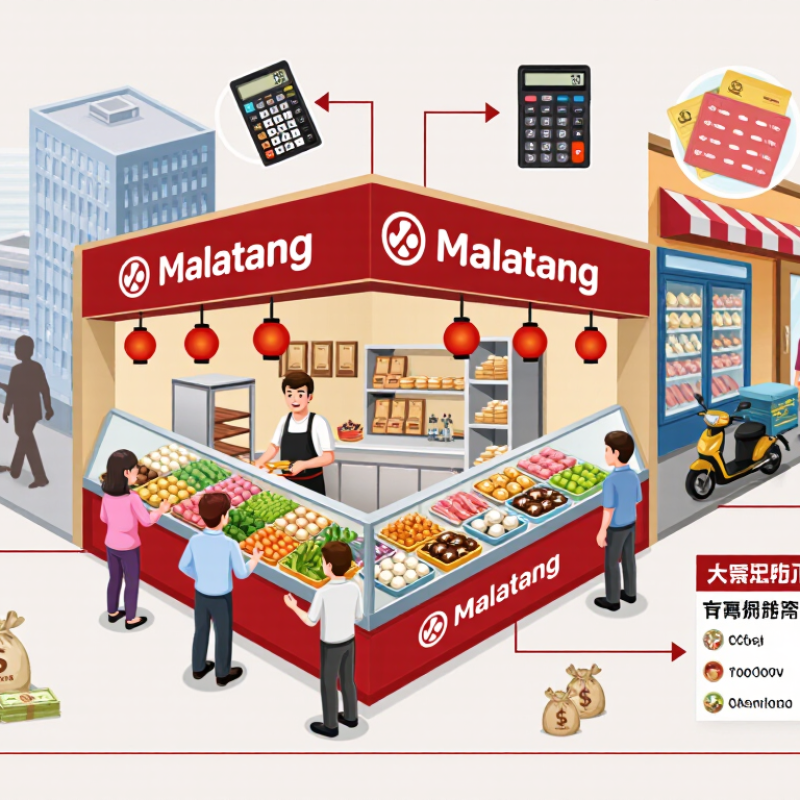
What Malatang Is and How Its Franchise Business Works
Malatang is a customizable soup meal: diners select ingredients from a chilled display, then staff cook them in seasoned broth. Shops commonly charge by weight or offer set-price bowls. A franchise typically provides operating procedures, recipes, training, and approved supply channels in exchange for initial fees and ongoing charges. The owner still manages hiring, food safety, rent, and daily costs. A busy lunch rush helps, but it does not guarantee strong earnings.
To estimate profit, track sales per day and subtract ingredients, wages, rent, utilities, delivery commissions, franchise fees, and taxes. The National Restaurant Association’s 2024 industry reporting describes typical restaurant pretax margins as roughly 3–5%; this is a broad benchmark, not a China-specific malatang forecast. At that margin, ¥100,000 in monthly sales might leave only ¥3,000–¥5,000 before owner-specific expenses. Local rents and ingredient waste can change the result sharply. Small leaks matter.
Tips: Before signing, build a conservative monthly budget using actual rent quotes and supplier prices. Test sales assumptions against weekday foot traffic, not just weekend queues. Keep a cash reserve. One weak month can expose an optimistic plan.
Leading Malatang Brands and Their Franchise Models in China
Malatang franchise models in China differ in how much control and capital they require. A single-store franchise usually lets a local operator run one outlet using a central supply chain, recipes, and operating standards. Regional development agreements may grant rights to open several stores, but require stronger funding and local management. Some systems also use managed partnerships, where the operator provides capital while the franchisor keeps closer control of daily operations. Contract terms vary. Read them closely.
China’s National Bureau of Statistics reported catering revenue of 5.57 trillion yuan in 2024, up 5.3% year on year. This broad market figure is not a malatang profit forecast. Buyers should build store-level estimates from actual rent, labor, ingredients, delivery fees, and franchise charges. Picture a busy lunch counter: bowls move quickly, but unsold vegetables still cost money. That part is easy to underestimate. Ask for audited outlet records, compare mature and newly opened stores, and check how many nearby locations share the same customer base. Earnings depend on execution, not the franchise label alone.
Startup Costs and Ongoing Expenses for Malatang Buyers
A malatang shop’s startup budget depends on its city, size, and service model. Buyers should price the lease deposit, basic renovation, cooking equipment, refrigeration, utensils, and opening inventory before signing. A refrigerator that holds steady temperatures and enough prep space matter more than decorative finishes. Keep a reserve for setup delays. They happen.
Ongoing expenses can include rent, wages, ingredients, utilities, packaging, cleaning supplies, and equipment repairs. Broth ingredients, vegetables, meat, and noodles need careful portion control; waste from unsold food can quietly reduce margins. Track daily purchases against sales, and check supplier prices regularly. Small changes add up. Local approval and food-safety requirements vary, so confirm them before opening and include related costs in the budget.
Earnings depend on foot traffic, average order value, operating hours, and how well costs are managed. A busy evening does not guarantee a profitable month if rent or food waste is high. Build a simple monthly forecast using conservative sales estimates, then compare it with actual bills. Be honest about uncertainty: early sales may be uneven, and some assumptions will need revision.
Illustrative planning scenario, not a verified market average: At monthly sales of ¥120,000, the example shop has ¥84,000 in ongoing expenses and ¥36,000 in operating profit before tax, financing, and owner compensation. A sample one-time startup budget is ¥160,000: fit-out ¥80,000, equipment ¥35,000, rent deposit and advance ¥30,000, and initial stock and setup ¥15,000. Actual costs and earnings vary by location, shop size, and sales; confirm figures with local quotes.
Revenue, Profit Margins, and Potential Earnings of Malatang Stores
Malatang revenue depends on daily orders, average spending, and how steadily customers return. A small shop serving 100 customers a day at an average of $10 would generate about $30,000 in monthly sales over 30 days. That figure is revenue, not take-home income. Ingredient costs, including broth, vegetables, meat, and packaging, can quickly absorb a large share.
Consider an illustrative monthly budget: $10,500 for ingredients, $7,500 for staff, and $4,500 for rent and utilities. Another $2,400 might go to payment fees, marketing, repairs, and other expenses. About $5,100 remains before taxes, loan repayments, and any owner salary not counted in labor. That is a possible operating margin of 17%, not a guaranteed result. Busy days help. But weekday sales can be uneven, and unsold ingredients create waste. Owners should track order counts, ingredient use, and labor hours each week. Actual earnings vary with location, rent terms, pricing, delivery fees, and local demand; even a neat example cannot predict a particular store’s profit.
China Best Malatang Earnings How Much Can Buyers Earn? - Revenue, Profit Margins, and Potential Earnings of Malatang Stores
Illustrative monthly operating scenarios for independent malatang stores in China. All amounts are in Chinese yuan (RMB).
| Store Scenario | Daily Orders | Average Spend per Order | Trading Days per Month | Estimated Monthly Revenue | Ingredients Cost | Staffing Cost | Rent and Occupancy | Utilities | Other Operating Costs | Estimated Operating Profit | Operating Profit Margin | Annualized Operating Profit |
| Small neighborhood store | 180 | ¥22 | 30 | ¥118,800 | ¥45,144 | ¥26,136 | ¥19,008 | ¥5,940 | ¥10,692 | ¥11,880 | 10% | ¥142,560 |
| Mid-sized urban store | 320 | ¥25 | 30 | ¥240,000 | ¥86,400 | ¥48,000 | ¥31,200 | ¥12,000 | ¥21,600 | ¥40,800 | 17% | ¥489,600 |
| High-traffic large store | 500 | ¥28 | 30 | ¥420,000 | ¥147,000 | ¥79,800 | ¥46,200 | ¥21,000 | ¥37,800 | ¥88,200 | 21% | ¥1,058,400 |
Revenue is estimated as daily orders × average spend × trading days. Cost figures are illustrative planning assumptions, not audited industry averages. Operating profit is calculated after the listed operating costs and before tax, loan repayments, depreciation, and initial investment recovery; it is not the same as an individual buyer’s take-home earnings. Annualized figures assume the store maintains the same monthly performance for 12 months and do not account for seasonality, opening ramp-up, or local differences in rent and wages.
Key Factors That Influence Franchisee Earnings and Payback Time
A malatang franchisee’s earnings depend on what remains after daily costs, not headline sales. China’s National Bureau of Statistics reported catering revenue of 5.57 trillion yuan in 2024, up 5.3%. That signals a large market, not guaranteed store-level profit. Local foot traffic, rent, average order value, and repeat visits matter more. A lunch rush can fill the room. A quiet weekday cannot be wished away.
Cost control changes the payback clock. The National Restaurant Association’s 2024 Operations Data Abstract found median food costs of 32.4% of sales and labor costs of 31.7% for U.S. limited-service restaurants. These figures are not China forecasts, but they show how quickly two major expenses consume revenue. For a malatang shop, ingredient waste, staffing by shift, delivery commissions, utilities, and rent all need local estimates. Small leaks add up.
Payback time should be calculated from initial fit-out, equipment, deposits, and opening expenses against monthly net cash flow—not gross sales. Run conservative, expected, and strong-sales scenarios, including slow months and price changes. Then check whether the shop still covers expenses. It may not. That uncomfortable result is useful: overly optimistic sales assumptions can make a spreadsheet look convincing while hiding a long recovery period.