How to Choose the Right Ball Bearing for Your Project?
Choosing the right Ball Bearing for your project is crucial. Ball bearings play a vital role in reducing friction and enhancing performance. They come in various types, sizes, and materials, making the selection process daunting.
Understanding your project's specific needs is essential. Consider factors like load capacity, operating speed, and environmental conditions. For example, an outdoor project may need corrosion-resistant bearings, while high-speed applications require precision. The right ball bearing makes a difference.
You might think any bearing will work, but that’s a common misconception. Poor choices often lead to premature failure or inefficiency. Reflect on the requirements carefully. Ask questions about performance needs and manufacturing limitations. Remember, the best choice is informed by thorough research and understanding.
Understanding the Basics of Ball Bearings and Their Functionality
Ball bearings are crucial components in many mechanical systems. They minimize friction between moving parts, enabling smooth rotation. Understanding ball bearings involves grasping their structure and material. Typical ball bearings consist of an inner race, outer race, and balls in between. The choice of material can affect performance, durability, and weight.
When selecting a ball bearing, consider the load it will bear. Different bearings support different weights and resistances. Also, think about the operating environment. Will it be exposed to moisture, dust, or high temperatures? These factors can influence the longevity of the bearing. It’s tempting to choose a bearing based on price alone, but this can lead to issues in functionality.
Another aspect to ponder is the precision of the bearing. High-precision bearings offer better performance but may cost more. Evaluate how critical precision is for your project. Sometimes, a cheaper, lower precision option will suffice. Avoid rushing the decision; taking time to reflect on your requirements can save future problems. A thoughtful approach ensures better outcomes for your project.
Ball Bearing Types and Their Load Ratings
Types of Ball Bearings and Their Specific Applications
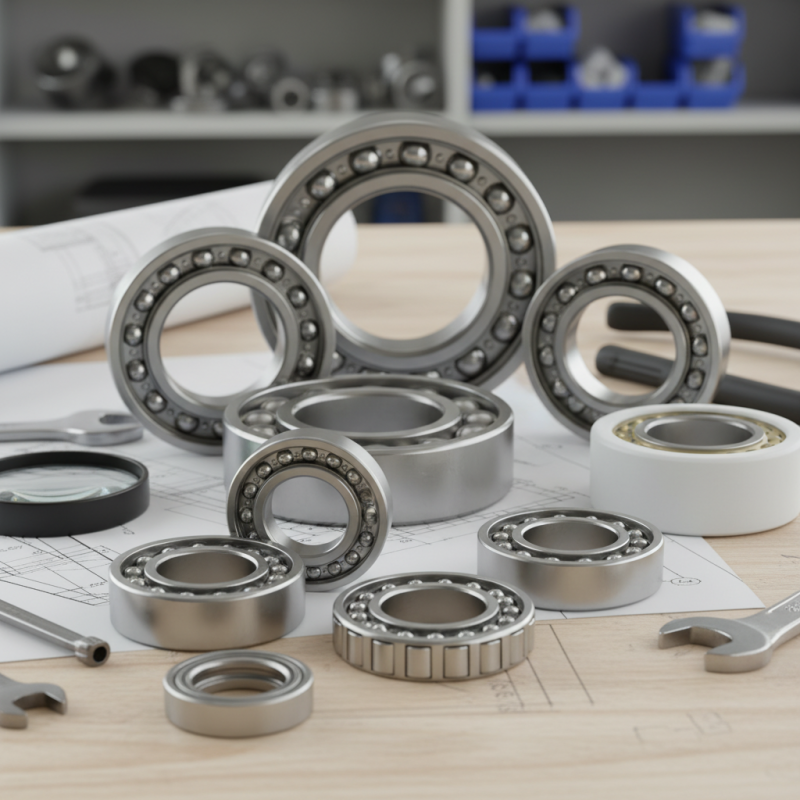
When selecting ball bearings for a project, understanding the types available is essential. There are various types, each suited for specific applications. Deep groove ball bearings are the most common. They handle radial and axial loads well. This makes them ideal for electric motors and appliances. They are versatile and usually a go-to option.
Another popular type is angular contact ball bearings. These bearings are designed for higher speeds and axial loads. They are often used in machine tool spindles and automotive applications. It’s important to consider the load direction here. Misjudging this may lead to premature failure.
Lastly, ceramic ball bearings are gaining traction. They offer significant advantages in high-speed applications. They reduce friction and can operate in extreme conditions. However, their higher cost and fragility can be drawbacks. While they perform well, careful consideration is needed to match them to the project's demands. Each type has strengths and weaknesses that require reflection.
Choosing the right one is complicated. It often involves trade-offs between cost, performance, and longevity. Understanding these nuances is critical for a successful outcome. Accurate selection can lead to significant efficiency gains.
Key Factors to Consider When Selecting a Ball Bearing
Choosing the right ball bearing can greatly impact your project's performance. Several key factors must be considered to ensure optimal selection. Start with load capacity. Different bearings handle different loads. If the bearing is not strong enough, it will fail. Next, examine the speed rating. A bearing may operate well at low speeds but struggle at higher rates. Understanding the operational speed is crucial.
Another important aspect is the environment. Will the bearing be exposed to dirt, moisture, or extreme temperatures? Sealed bearings provide protection, but may restrict speed. Consider lubrication requirements as well. Some bearings require regular maintenance, while others are pre-greased for life. This could simplify your project or complicate it.
Don’t forget about bearing size and fit. A mismatch can lead to increased wear and failure. Sometimes, smaller or larger bearings are needed based on space or design. Take precise measurements to prevent costly errors. Reflect on your choices and gather feedback throughout the selection process.
How to Measure the Dimensions and Load Requirements
When selecting a ball bearing, measuring dimensions accurately is crucial. Start with the inner diameter, outer diameter, and width. Use a caliper for precise measurements. These dimensions ensure a proper fit in your project. If the sizes don’t match, the bearing might not perform well.
Next, consider load requirements. How much weight will the bearing support? Estimate the load before making a selection. Factor in dynamic and static loads. Sometimes, users underestimate these values. This can lead to premature failure.
It’s essential to check the bearing’s material. Different applications require various materials. For instance, stainless steel may resist corrosion better. Yet, it may not be suitable for all conditions. Always reflect on your project's specific needs. Balancing all these factors will help you select the right ball bearing.
Tips for Sourcing Quality Ball Bearings for Your Project
Choosing the right ball bearings can significantly impact your project's performance. Start by identifying your project's specific requirements. Consider load capacity, speed, and environmental conditions. Each factor influences bearings' performance differently. Resist the temptation to buy the first option you find. Rushing can lead to suboptimal choices.
Quality matters. Inspect the manufacturing process of potential suppliers. Look for those who follow strict quality control. Even minor defects can lead to failure. It’s worth taking the time to verify the origins of these components. Ask for certifications if available. This step can prevent costly mistakes later on.
Don't forget to pay attention to materials. Steel, plastic, and ceramic each have unique properties. For example, temperature and humidity can affect performance. A quick browse online might not give you all the insights needed. Engage with suppliers directly to gather more information. Sometimes, a phone call can help clarify doubts. Make sure you document your findings. Review them before finalizing any purchase to avoid regret.