How to Choose a Battery Storage System in 2026?
Choosing a Battery Storage System in 2026 requires more than comparing advertised capacity. The right choice must fit your electricity demand, operating environment, safety needs, and investment horizon. A 10 kWh battery may support evening appliances in one home, yet prove inadequate for a heat pump, electric vehicle, and solar export limits. Context matters.
The International Energy Agency reported in Batteries and Secure Energy Transitions that global energy storage capacity must expand sixfold by 2030 to support national climate and reliability goals. Its analysis also identifies batteries as a central technology for integrating renewable power. BloombergNEF’s Global Energy Storage Outlook highlights strong growth in stationary storage, while Lazard’s Levelized Cost of Storage reports continue showing major cost differences among applications and technologies. These findings support careful comparison, not automatic purchasing.
Look beyond the battery label. Examine usable capacity, round-trip efficiency, cycle life, warranty exclusions, degradation curves, thermal management, and inverter compatibility. Installation quality matters too. A shaded, ventilated enclosure behaves differently from a unit exposed to direct summer heat. Ask who monitors the system after commissioning. Ask how replacement parts are supplied.
There is no universally best Battery Storage System. Forecasts can change. Electricity tariffs can change faster. Even a detailed payback model may miss demand charges, software limitations, or future household loads. Therefore, evaluate measured performance, independent certifications, and documented service records. The strongest decision combines manufacturer data with local installer experience and conservative financial assumptions. Cheap today may not mean economical later. Reliability should remain the practical benchmark.
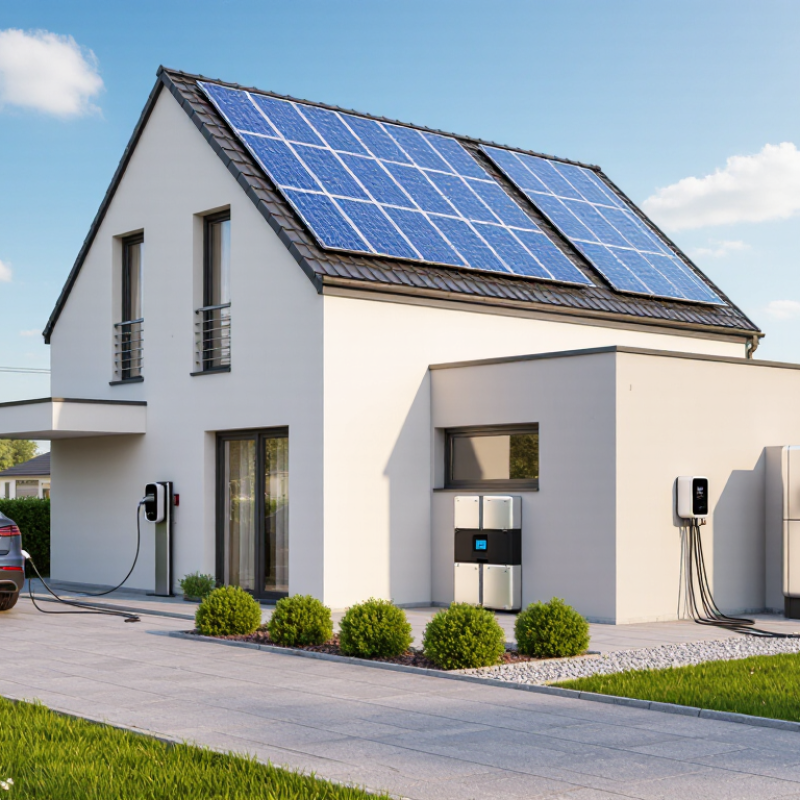
Understanding Battery Storage System Types and Applications
Choosing a battery storage system in 2026 starts with its application, not its advertised capacity. Lithium iron phosphate systems suit daily solar shifting because they offer strong cycle durability and stable thermal performance. Nickel-based batteries can provide higher energy density, which may help where space is limited. Flow batteries deserve attention for long-duration projects, although their pumps and larger footprint complicate installation.
For homes, compare usable energy, peak power, backup duration, noise, and temperature limits. A five-kilowatt-hour battery may support lights and a refrigerator, but not an electric heater for long. Commercial users often need demand-charge control and reliable operation during outages. Grid-scale projects require fast response, multi-hour discharge, fire planning, and carefully tested controls. The International Energy Agency’s Batteries and Secure Energy Transitions report says global battery storage capacity may need to reach about 1,200 GW by 2030 in a net-zero pathway. That target shows how quickly application needs are expanding.
Cost alone is a weak filter. Lazard’s Levelized Cost of Storage analysis shows that project economics vary sharply by duration and operating pattern. Check round-trip efficiency, degradation assumptions, warranty conditions, maintenance access, and end-of-life handling. A lower purchase price can become expensive after frequent cycling. It is easy to overestimate household demand. I would model one ordinary winter evening, not an ideal sunny day. Imperfect forecasts still reveal practical weaknesses.
Assessing Energy Needs, Load Profiles, and Storage Capacity
How to Choose a Battery Storage System in 2026?
Sizing starts with your actual load profile, not the battery brochure. Collect hourly electricity data for at least twelve months. Mark evening peaks, seasonal heating, cooling, and unusual weekends. The IEA’s Batteries and Secure Energy Transitions report estimates that global battery storage additions reached about 42 GW in 2023. Growth is rapid, but larger capacity is not automatically better. A home using 24 kWh daily may need a 10 kWh battery for peak shifting, or 30 kWh for overnight backup. The answer depends on timing.
Separate energy capacity from power capacity. Energy capacity is measured in kilowatt-hours; power capacity is measured in kilowatts. A battery may store 20 kWh but deliver only 5 kW continuously. Include round-trip efficiency and usable depth of discharge. For example, 20 kWh with 90% efficiency and 90% usable capacity provides roughly 16.2 kWh in practice. The U.S. National Renewable Energy Laboratory’s Annual Technology Baseline highlights efficiency, duration, and cycling as essential storage-cost factors. I would still test the estimate against a winter load curve. One overlooked electric heater can change the result.
Tips: Start with the highest hourly demand. Size backup loads separately. Add 15–20% flexibility for uncertainty, but avoid excessive oversizing. Review twelve months of bills, inverter limits, outage duration, and future loads such as electric vehicles. A spreadsheet helps. It can still be wrong.
How to Choose a Battery Storage System in 2026? - Assessing Energy Needs, Load Profiles, and Storage Capacity
Planning examples based on typical residential load profiles. Storage capacity is calculated using a 90% usable-depth assumption and approximately 90% battery-system efficiency.
| Household Profile | Average Daily Load
(kWh/day) | Peak Demand
(kW) | Critical Load
(kW) | Required Backup
(hours) | Critical Energy
(kWh) | Recommended Usable
Storage (kWh) | Approx. Nominal
Battery Size (kWh) | Suggested Inverter
Continuous Rating (kW) | Typical Critical Loads |
| Essential-Load Apartment | 8 | 3.5 | 0.8 | 8 | 6.4 | 7.1 | 8 | 3 | Refrigerator, lighting, internet equipment, selected outlets, medical devices |
| Typical Family Home | 18 | 7 | 1.8 | 12 | 21.6 | 24 | 27 | 6 | Refrigerator, lighting, communications, circulation pumps, selected kitchen outlets |
| Large Electrified Home | 30 | 11 | 3.5 | 16 | 56 | 62 | 69 | 10 | Refrigeration, lighting, heating controls, water pump, communications, selected cooking circuits |
| Home with Heat Pump and Electric Vehicle | 45 | 16 | 5 | 24 | 120 | 133 | 148 | 15 | Refrigeration, communications, heating controls, circulation pumps, selected outlets; vehicle charging excluded during outages |
Calculation notes: Critical Energy = Critical Load × Backup Hours. Recommended Usable Storage includes approximately 10% operating margin. Approximate Nominal Battery Size = Recommended Usable Storage ÷ 0.90. Actual system sizing should also account for ambient temperature, battery aging, surge loads, local electrical codes, solar availability, and the required backup duration.
Comparing Battery Chemistry, Lifespan, Efficiency, and Safety
Choosing a battery storage system in 2026 starts with chemistry, not app features. Lithium iron phosphate, or LFP, offers long cycle life and strong thermal stability. Nickel manganese cobalt batteries usually store more energy in less space, but they require stricter heat management. Sodium-ion systems are developing quickly and may perform well in colder conditions. Lead-acid remains affordable, although its usable capacity and service life are usually lower. That trade-off is easy to underestimate.
Compare efficiency under real operating conditions. Many lithium systems achieve roughly 85–95% round-trip efficiency, but inverter, wiring, temperature, and partial loads reduce actual results. Published cycle figures also vary widely. LFP may reach several thousand cycles, while lead-acid often reaches far fewer. Depth of discharge matters. So does heat. A battery used every evening ages differently from one used during occasional outages.
Safety deserves practical inspection. Look for a certified battery enclosure, temperature sensors, battery-management protection, clearances, and suitable ventilation. Installation quality can matter as much as chemistry. A clean installation matters. I would not choose a system from efficiency figures alone. I once treated the highest capacity as the best value; that was too simplistic. Noise, maintenance access, local climate, and replacement costs can change the decision. Ask for test conditions, warranty limits, and degradation data in writing.
Evaluating Costs, Incentives, Warranties, and Long-Term Value
How to Choose a Battery Storage System in 2026?
Evaluating Costs, Incentives, Warranties, and Long-Term Value
Battery prices are falling, but the cheapest quote may hide replacement costs. Lazard’s 2024 LCOS analysis estimates unsubsidized lithium-ion storage at roughly $110–$225 per megawatt-hour. Residential buyers should compare installed cost, usable capacity, efficiency, and expected cycle life. A 10-kilowatt-hour battery may deliver less than 10 kilowatt-hours after reserve settings and conversion losses.
Incentives can change the calculation quickly. The International Energy Agency’s 2024 battery report projects battery demand will grow sharply through 2035, supporting wider manufacturing and possible cost reductions. However, local tax credits, rebates, and grid programs have different eligibility rules. Confirm approval in writing before signing. Warranties deserve equal attention. Check capacity retention, cycle limits, calendar coverage, labor charges, and exclusions for extreme temperatures. A ten-year warranty is not automatically strong.
Tips: Request three itemized quotes. Compare usable kilowatt-hours, not headline capacity. Ask for a degradation schedule. Also calculate annual savings under your actual electricity tariff, including peak charges and export limits. A system with backup value may justify a higher price, especially during evening outages. Yet that value is personal and difficult to model perfectly. My own review habit is simple: test optimistic, normal, and poor-performance scenarios. The uncomfortable case matters. Controls, service availability, and future software fees can influence long-term value more than a small upfront discount.