

top of page

How to Choose Aluminum Railing for Your Project

Choosing Aluminum Railing is not just a question of color or price. It affects safety, upkeep, and how a space feels every day. A balcony overlooking a garden may call for slim pickets and an open view. A busy stairway may need a grip-friendly top rail and carefully planned posts. Small details matter.

Start with the project itself. Measure each run, note corners and changes in level, and check the surface where posts will attach. Then consider exposure. Rain, strong sun, and coastal air can influence finish selection and maintenance needs. Powder-coated aluminum offers a range of colors, but coating quality and preparation still deserve attention. Ask suppliers about specifications, warranties, and care instructions. Do not rely on a photo alone.

The infill is another practical choice. Pickets, glass panels, and other approved systems create different levels of visibility, cleaning effort, and visual weight. Check applicable building requirements for the project location, including rules for rail height and openings. Requirements can vary, so confirm them before ordering. Measure twice. It helps.

A well-chosen system should suit the building, the people using it, and the conditions around it. Compare samples beside your exterior materials, and review installation details with a qualified professional when needed. One detail may still be overlooked. That is why a final site check matters before fabrication begins.
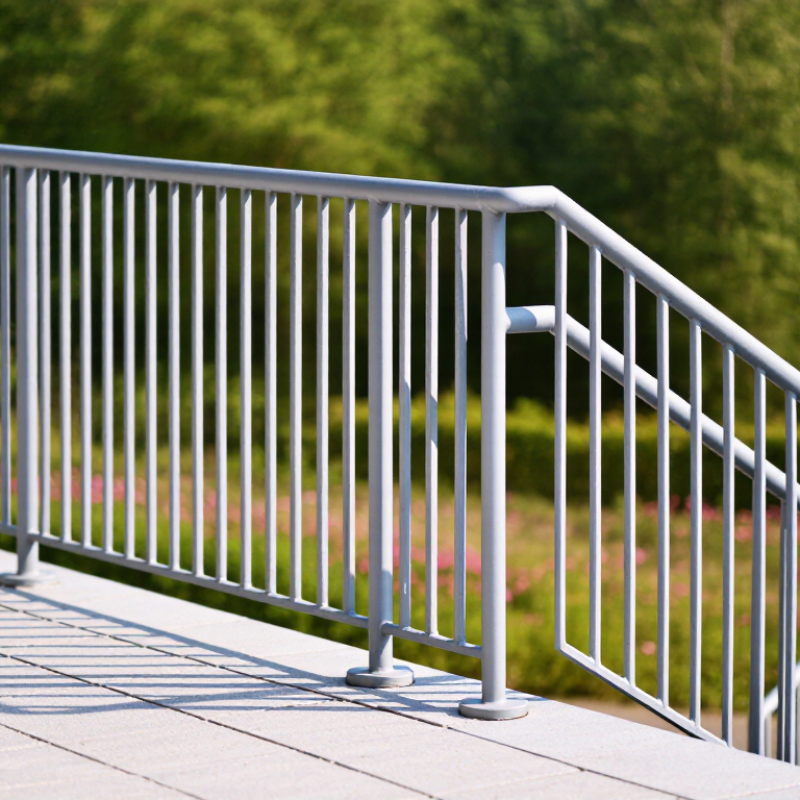
How to Choose Aluminum Railing for Your Project

Assess the Project’s Location, Purpose, and Performance Needs

How to Choose Aluminum Railing for Your Project

Assess the Project’s Location, Purpose, and Performance Needs

Start with the railing’s setting, because exposure changes what matters most. Near salt spray, persistent moisture, or pool water, ask how the finish resists corrosion and how fasteners handle repeated wetting. On a sunny deck, consider heat, glare, and fading. A shaded porch has different demands. Note wind exposure, too; an open balcony can place more stress on railing sections than a sheltered entry.

Then define how people will use the space. A family stairway may need a comfortable, continuous handrail, while a view-facing deck may benefit from slimmer pickets. Measure the runs, corners, stair angles, and mounting surfaces before comparing styles. Check the manufacturer’s load data and installation details, and confirm that the proposed design meets applicable project requirements. A neat sample can still disappoint if its posts do not suit the actual substrate.

Tips: Photograph the site at different times of day. Record nearby sprinklers, drains, and places where water collects. Ask for finish and hardware specifications, not just color samples. Small details matter.

I would also leave room for uncertainty: existing surfaces may be uneven, and drawings rarely show every obstruction. Verify key dimensions on site before ordering, and have a qualified installer review tricky transitions. A little rechecking is less frustrating than forcing a poor fit.

Compare Aluminum Grades, Finishes, and Corrosion Resistance

Aluminum grade affects strength, weight, and how easily a railing can be extruded. Many architectural systems use 6063 aluminum because it forms clean profiles and takes a consistent finish. For longer spans or heavier loads, 6061 may be considered, though the complete design still needs appropriate engineering. Check the supplier’s material specification rather than relying on a grade name alone. Alloy numbers do not tell the whole story.

Finish matters just as much outdoors. Anodizing creates a durable oxide layer and preserves a metallic appearance, while powder coating adds color and helps shield the surface. Neither makes aluminum immune to corrosion. Near saltwater, trapped moisture, scratched coatings, and incompatible fasteners can all create trouble. Small details count. Look for drainage at post bases, sealed cut ends, and corrosion-resistant fasteners suited to the surrounding conditions. Ask how the surface is prepared and what coating thickness is specified; a glossy sample cannot answer those questions. I would be cautious about choosing solely by color or price. A railing under a porch roof faces different exposure from one beside a windy shoreline, and even a well-finished system needs periodic inspection for chips, loose connections, and standing water.

Check Building Codes, Safety Requirements, and Load Ratings

How to Choose Aluminum Railing for Your Project

Before choosing an aluminum railing, check the building requirements that apply to your site and project. Rules can differ by location, building use, and installation height. Confirm required guard height, opening limits, and handrail details with your local building department or approved plans. A small gap that looks harmless may still fail an inspection. Check early, not after materials arrive.

Load ratings matter as much as appearance. Review engineering documents for the railing system, posts, brackets, and fasteners. Compare the stated capacity with the loads required for your project, including outward force and any applicable wind loads. The deck or stair structure must also support the railing. Strong rails attached to weak framing are not safe. When requirements or calculations are unclear, ask a qualified building professional to review them. It may feel like extra work, but guessing is worse.

Tips: Measure post spacing carefully. Confirm the listed rating matches the full assembly, not just one component. Use fasteners suited to the base material, and follow installation instructions. Keep the documents for inspection. One detail is easy to overlook: existing wood may be weathered or split, so check its condition before fastening anything.

Choose Railing Style, Components, and Installation Method

How to Choose Aluminum Railing for Your Project

Choose a railing style that suits both the building and the view. A simple top rail with vertical balusters keeps the look familiar, while narrow pickets or glass panels create a more open feel. On a small balcony, bulky posts can make the space seem tighter. On a windy deck, more open infill may catch less wind than broad panels. Check local requirements for railing height, openings, and stair sections, since these can vary by location. Looks matter, but so does a safe fit.

Make a component list before ordering: posts, top and bottom rails, balusters or panels, brackets, caps, and stair adapters. Measure each straight run and stair angle carefully. Measure twice. A small angle error can leave a visible gap at a stair post. Choose a mounting method that matches the structure: surface-mounted posts need a solid, reinforced deck, while fascia-mounted posts need sound framing along the edge. This detail is easy to overlook. Follow the system’s installation instructions, use compatible fasteners, and check that water can drain around post bases. If the substrate or stair layout is unclear, have a qualified installer assess it before drilling. I would recheck every post position before fastening; shifting one later can mean patching the deck.

Plan for Long-Term Care, Inspection, and Maintenance

When choosing aluminum railing, consider how you will inspect and care for it years from now. A durable finish helps resist weather, but aluminum railing is not maintenance-free. Ask how the coating should be cleaned and whether touch-up materials are available. In coastal or humid areas, salt and trapped moisture can affect fasteners and joints. Look for designs that let water drain instead of collecting around posts. Small details matter. A narrow gap at a base plate can hold damp debris longer than expected.

Plan a simple inspection routine before installation. Check posts, brackets, and handrail connections for looseness, movement, or visible damage. Look closely. Pay attention to chipped coating, white residue, and corrosion around dissimilar-metal connections. After strong winds or heavy snow, inspect the railing again, especially where it meets stairs or a deck. Wash surfaces with mild soap and water, then rinse away grit; abrasive pads may scratch the finish. Keep a dated note of repairs and recurring issues. It may feel excessive at first, but records can reveal a loose connection that keeps returning. Follow the installation and care instructions for the specific railing system, since coatings and hardware can require different attention.

How to Choose Aluminum Railing for Your Project - Plan for Long-Term Care, Inspection, and Maintenance Practical care-planning guide. These are typical starting intervals; follow the railing instructions, project specifications, and applicable local requirements.
Typical schedule Area or component What to inspect Care or follow-up
At installation and after alterations Posts, rails, brackets, and fasteners Check that components are installed in the specified configuration, connections are secure, and the assembly has no visible damage or missing parts. Keep installation and product documents. Have any concerns about anchorage, structural capacity, or code compliance reviewed by a qualified professional.
Every 6–12 months Overall railing assembly Look for loose connections, movement, bent or cracked components, sharp edges, and missing or damaged infill. Tighten or replace parts only as permitted by the product instructions. Arrange prompt professional assessment if a component is damaged or the railing feels unstable.
Every 3–6 months; more often in coastal or heavily polluted locations Finished aluminum surfaces Check for accumulated dirt, salt deposits, staining, and scratches or chips in the protective finish. Wash with clean water and a mild, non-abrasive detergent; rinse thoroughly and dry where practical. Avoid abrasive pads and cleaners not approved for the finish.
At least annually and after severe weather Posts and attachment points Check for movement, water entry, cracked surrounding material, or corrosion near anchors and connections. Address drainage or water-entry problems. Do not conceal damaged substrates or alter anchors without qualified advice.
During each routine inspection Fasteners and connections between dissimilar materials Look for corrosion, staining, looseness, or signs of direct contact between incompatible metals. Use compatible replacement hardware and isolation materials specified for the system. Avoid mixing metals or applying unapproved compounds.
Promptly when noticed Scratches, chips, or coating damage Note the location and extent of exposed metal, especially near joints, cut edges, or areas frequently exposed to moisture. Clean and repair using a finish-compatible method recommended for the railing. Seek guidance for extensive damage or corrosion rather than covering it without assessment.
After storms, impact, or unusual loading Rails, infill, posts, and supports Check for deformation, loosened attachments, displaced infill, or new movement. Restrict access to an area if the railing may be unsafe, and arrange inspection by a qualified professional before returning it to service.
Once a year Maintenance records Review inspection dates, cleaning, repairs, recurring issues, and any changes to the site or exposure conditions. Keep dated notes and photographs. Adjust the inspection and cleaning frequency if the railing is exposed to salt spray, de-icing salts, industrial pollution, or frequent moisture.
bottom of page