

top of page

How to Print Playing Cards for Your Custom Games?

Creating your own playing cards can be an exciting and rewarding venture. Whether for a custom game or a unique gift, knowing how to effectively print playing cards can elevate the gaming experience. With a personal touch, the cards can reflect your style and creativity.

Choosing the right materials is crucial. The quality of cardstock impacts durability and feel. Consider weight and finish, as these factors influence card performance during play. Additionally, using proper design software can enhance the visual appeal. Familiarity with printing settings also ensures that colors come out vibrant and true to your design.

However, the journey isn’t without challenges. Finding a reliable printing service that meets your needs can be tricky. Mistakes may happen in the design phase or during printing. It’s essential to proof and double-check your designs. Embrace the imperfections; they often lead to the best improvements. Ultimately, the process of creating and printing your own cards can foster creativity and connection, bringing your game ideas to life.
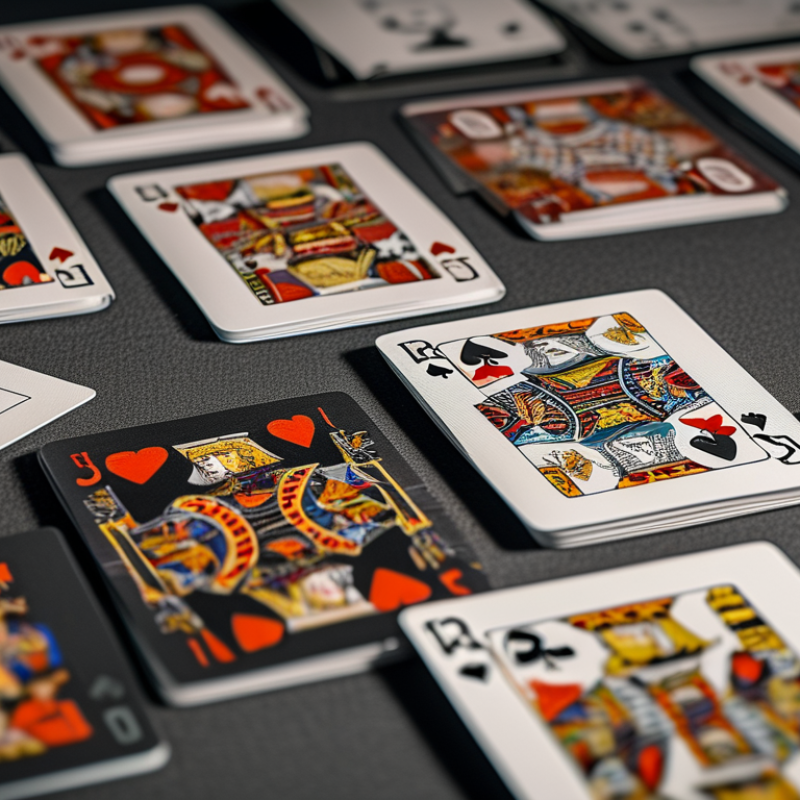
How to Print Playing Cards for Your Custom Games?

Selecting the Right Card Size and Material for Your Custom Cards

Choosing the right card size and material is crucial for creating custom playing cards. Standard sizes like poker (2.5 x 3.5 inches) and bridge (2.25 x 3.5 inches) are popular options. These dimensions fit well in hands and card holders. However, think about what suits your game best. Perhaps a larger card enhances visibility for your group. Consider also the thickness of the card material. Thinner cards are easier to shuffle but may lack durability.

Material plays a vital role too. Cardstock is common because it balances flexibility and sturdiness. However, you might want a glossy finish to add a touch of elegance. Experimenting with different coatings can yield surprising results. For a more unique feel, consider textured finishes; they can enhance grip during gameplay.

Think about the purpose of your game when selecting these elements. A family game night might benefit from playful graphics on sturdy cards, while a serious strategy game might require a more refined look. Each choice influences the gameplay experience. Don't shy away from making mistakes during your testing phase. Reflect on what works and what doesn’t, as this process will lead to better results in the long run.

Designing Your Playing Card Layout with Software Tools

Designing your playing card layout requires careful planning and creativity. Start by choosing the right software tools. Many options cater to different skill levels. You can opt for user-friendly tools or advanced graphic design software. Each option presents unique features to help you visualize your ideas. Make sure you familiarize yourself with these tools before diving into the design process.

When designing, focus on the elements that will make your cards stand out. Experiment with colors, fonts, and layouts. Think about the theme of your game. A consistent theme will enhance the overall appeal. However, not every design will succeed. Be prepared to revise and iterate. Sometimes, what looks good in theory may not translate well in practice.

Test your designs by printing a few prototypes. This step will reveal issues such as legibility and alignment. Seek feedback from peers to gain different perspectives. Ensure that you remain open to constructive criticism. The process can be frustrating at times. But it’s an essential part of creating something truly unique.

Printing Options: Home Printing vs. Professional Printing Services

When considering printing options for your custom playing cards, it’s essential to weigh home printing against professional services. Home printing grants convenience and control. You can select your paper and ink. However, it may lack quality. Standard printers may not handle card stock well. You might face color inaccuracies too. This route is pocket-friendly but comes with limitations.

Professional printing services offer consistency and superior quality. These services use advanced technology to ensure vibrant colors and clean cuts. You can choose from various finishes, adding unique touches like gloss or linen textures. However, the cost can be higher. It requires careful planning and budgeting. You might also need to order in larger quantities. This can lead to waste if your design doesn’t work out as expected.

Ultimately, the decision hinges on your game’s needs and your budget. Experimentation at home might lead to unexpected discoveries. But for a polished look, professional services are often the better choice. Balancing creativity with practicality will guide you to the best option for your playing cards.

Cutting and Finishing Techniques for a Professional Look

When printing playing cards for your custom games, achieving a professional finish is crucial. Cutting and finishing techniques can elevate your project, making it visually appealing. Start with quality cardstock; this will significantly impact the final outcome. After printing, the cards need trimming. A guillotine cutter is highly effective for this task. It offers clean, straight edges, and it’s easy to use. Aim for precision; even minor discrepancies can disrupt the design.

Consider adding rounded corners. This detail not only enhances the look but also increases durability. A corner rounder tool can help achieve consistent results. Don't rush this process; some cards may require re-trimming to ensure uniformity. If you notice uneven edges, take the time to fix them.

Tips: Always measure twice before cutting. Use a ruler to mark where you’ll cut, ensuring accuracy. Test on a scrap piece of paper before doing the final cards. Take breaks during the cutting process to prevent fatigue. This will help maintain focus and consistency across all cards.

Packaging Ideas for Your Custom Playing Card Game

When creating a custom playing card game, packaging is as crucial as the cards themselves. A well-designed box not only protects your cards but also enhances the player’s experience. Consider materials that are sturdy yet lightweight. Cardboard, for instance, is an affordable choice. It can be easily printed with vibrant designs. But, do not overlook the feel. A textured finish can add a tactile element that players enjoy.

Incorporating a unique opening mechanism can also set your packaging apart. Magnetic closures or slide-out drawer designs offer a fresh twist. Think about the unboxing experience. Players may share this moment on social media, creating a buzz around your game. Adding details like a rule booklet tucked inside can provide guidance. Keep in mind, though, that overcomplicating the packaging can frustrate users. Simplicity often leads to elegance.

Moreover, consider eco-friendly materials if your audience values sustainability. Biodegradable packaging can resonate well with environmentally conscious players. However, sourcing these materials might require extra research. It’s essential to balance aesthetics with functionality. Test your packaging with a focus group to gather feedback. Every detail matters, and continuous improvement can lead to better designs.

bottom of page