
top of page

Top 10 Robotic Barista Coffee Machines for Businesses

A Robotic Barista Coffee Machine can turn a busy lobby, hotel, or office into a faster coffee stop. Yet speed alone does not make a good investment. Buyers need to consider drink quality, menu range, payment options, cleaning routines, service support, and the space each system requires. A machine that looks sleek beside a glass storefront may struggle during a morning rush if its milk system needs frequent attention.

Cafe X founder Henry Hu is a relevant industry reference. A concise, non-verbatim summary of the operating lesson reflected in his work is: “Automation earns trust when each cup is consistent and service stays simple.” Consistency matters. Even a small delay, an empty bean hopper, or a confusing pickup screen can change the customer experience. These details deserve a closer look.

This guide compares ten robotic coffee systems for business use, from compact self-service units to higher-capacity installations. It considers practical features such as drink customization, ingredient storage, cleaning access, footprint, and expected throughput. It also asks a less glamorous question: who responds when the machine stops at 8:15 a.m.? Not every site fits. The best choice depends on real customer flow, staff support, and the drinks people actually order—not just a polished product video. Some specifications can look impressive on paper, but daily reliability is harder to judge. Use this list as a starting point, then verify current pricing, service coverage, and performance claims with each supplier.
Top 10 Robotic Barista Coffee Machines for Businesses

How Robotic Barista Coffee Machines Work

A robotic barista machine turns a drink order into a sequence of measured actions. A customer selects a recipe on a screen, and the controller checks the requested size and ingredients. The grinder prepares a portion of beans, while sensors and timers help regulate dose, water flow, and extraction. The espresso then travels into a waiting cup. It is not magic. Small changes in bean age, humidity, or grinder settings can affect the result, so consistent calibration still matters.

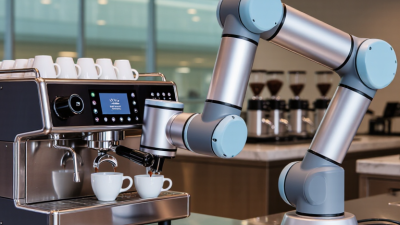
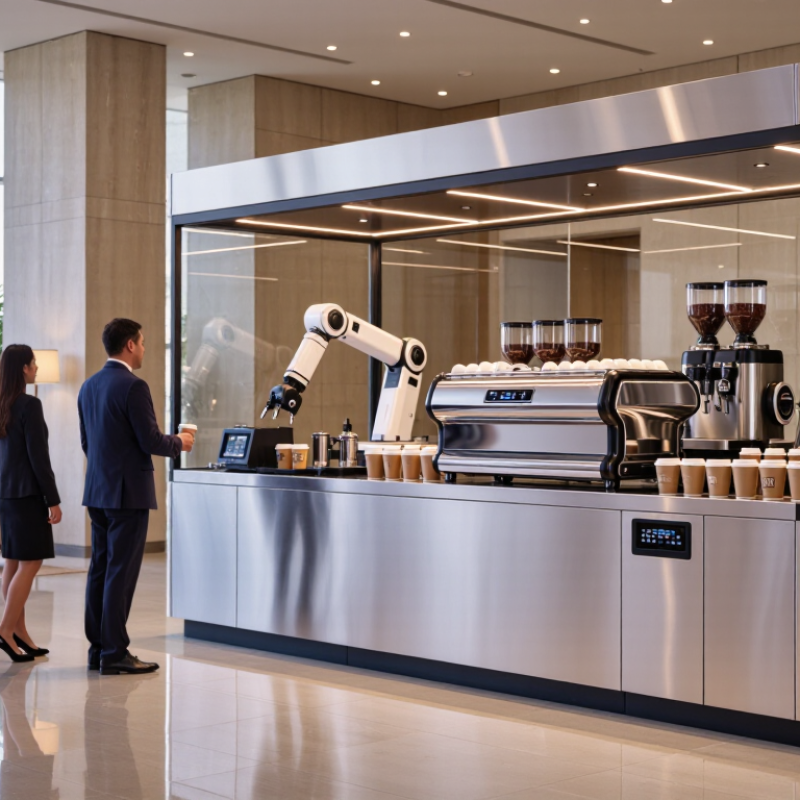
For milk drinks, a machine may heat and texture milk through a programmed steam cycle, then pour it beside or over the espresso. Some systems guide the cup between stations using a robotic arm or conveyor. The exact workflow varies by machine, but operators should be able to inspect parts that contact food and follow the equipment’s cleaning schedule. A quick rinse is not always enough. Clear maintenance records and staff checks help catch residue, blocked nozzles, or unusual temperature readings before service suffers. Automation can make busy periods more predictable, yet it does not remove every judgment call. A machine may repeat a recipe precisely and still produce a drink that tastes flat. Human tasting remains useful.

Key Features That Distinguish Business-Ready Models

A business-ready robotic barista must do more than pour a neat espresso. It should handle repeated orders at a steady pace, even during a crowded morning rush. Look for adjustable recipes, reliable temperature control, and clear prompts for refilling beans, milk, and water. A machine that flags low supplies before service slows can save staff from a last-minute scramble. Easy-to-clean milk lines and removable drip trays matter, too. Small details count.

Tips: Test the machine during your busiest hour. Check drink consistency across several orders, then time cleaning and restocking. Ask who handles maintenance, and how quickly support responds. A glossy display is not proof of durability.

For cafés, hotels, and workplace kitchens, footprint and workflow deserve equal attention. Confirm that the unit fits its counter, has suitable power and water access, and leaves room for staff to move. Payment options and order customization can improve service, but complicated menus may confuse customers. Ask for real operating data, not just a demonstration. Some tasks may still need a person, such as checking ingredient levels or assisting a customer with an unusual request. Automation helps, but it is not hands-off.

Top 10 Robotic Barista Coffee Machines for Businesses

A useful guide to the top 10 robotic barista coffee machines for businesses should compare more than drinks per hour. The National Coffee Association’s 2024 National Coffee Data Trends report found that 67% of U.S. adults had coffee the previous day. That demand can make automation appealing, especially in hotel lobbies, offices, and transport hubs. But a fast arm is not automatically a good barista. Check drink consistency, milk handling, cleaning time, payment options, and how quickly staff can refill beans during a rush.

The International Federation of Robotics reported nearly 205,000 professional service robots sold in 2023, a 30% increase over 2022. This signals growing interest in service automation, not proof that every café benefits from it.

Ask vendors to demonstrate a full peak-hour cycle, including order changes and recovery from errors. Watch the cup, too: foam texture and temperature matter. Small details.

Compare installation needs, maintenance access, noise, and the cost of consumables. A machine that saves labor on paper may still need frequent supervision. That part is easy to underestimate. Before choosing, test the system in the actual service space and record queue times, waste, and staff intervention over several busy shifts. Those results offer better evidence than a polished demonstration.

How to Compare Machines by Capacity, Cost, and Drink Options

Comparing robotic barista coffee machines starts with the rush you actually serve. A small office café may need fewer drinks per hour than a busy hotel lobby. Check the stated hourly capacity, then ask how it was measured. Was the machine making one drink type, or handling several orders with milk changes? Peak periods matter. Watch a live demonstration, if possible, and time a realistic queue. A machine that looks fast on paper may slow down when staff refill beans, milk, or cups.

Cost means more than the purchase price. Include installation, routine cleaning, replacement parts, service visits, and expected downtime. Ask who handles repairs and how quickly help is available. Compare these costs against the labor the machine may reduce, without assuming it will eliminate staff work. Someone still needs to restock supplies and keep the counter clean. Small details count.

Drink options should match customer habits, not just a long menu. Check whether the machine can make espresso, milk-based drinks, and decaffeinated choices, and whether recipes can be adjusted for cup size or strength. More options can mean more ingredients and more cleaning. That trade-off is easy to overlook. Before choosing, test the drinks your customers order most and confirm the machine can produce them consistently during busy hours.

Installation, Maintenance, and Daily Operations for Businesses

Before installing a robotic barista machine, measure the counter, doorways, and service access—not just the space it occupies. Confirm that water, drainage, power, and network connections meet the machine’s specifications. A level surface matters; even a small tilt can affect cup placement or cleaning cycles. Plan for delivery, setup, and staff training during quieter hours. The first day is rarely as smooth as the demonstration.

Daily operations depend on simple, repeatable checks. At opening, inspect ingredient levels, rinse the milk lines, and run a test drink. Keep cups within easy reach, and post clear instructions for handling orders when the machine pauses. During busy periods, someone should monitor the queue and refill supplies before they run out. A brief interruption can frustrate customers.

Maintenance needs a written schedule. Clean brewing parts and milk-contact components at the intervals specified by the manufacturer, and record completed tasks. Check seals, nozzles, and waste containers regularly; small residue can affect taste and hygiene. Arrange qualified service for repairs rather than guessing at electrical or mechanical faults. This takes time and can feel excessive on a quiet shift, but missed checks often create larger disruptions later. Keep spare consumables on site, and log recurring errors for the service technician.

Top 10 Robotic Barista Coffee Machines for Businesses - Installation, Maintenance, and Daily Operations for Businesses

Planning guide: The configurations and operating ranges below are representative estimates, not specifications for a particular product. Actual throughput, space, utility requirements, and cleaning schedules depend on the equipment, menu, site conditions, and local regulations.

Rank Robotic Barista Configuration Typical Business Fit Indicative Throughput Approximate Space Installation Considerations Daily Operations Routine Maintenance
1 Robotic espresso station with one coffee machine and an automated milk system Office lobbies, hotels, and small self-service cafés About 40–80 drinks per hour, depending on the menu and queue Approximately 1.5–2.5 m², including the working zone Provide a stable counter or plinth, suitable electrical supply, water and drainage where required, and space for ingredient storage. Refill beans, milk, cups, and lids; check the payment and order interface; monitor the queue and drink quality. Clean milk-contact parts and the group area; empty waste containers; follow the equipment’s cleaning and descaling schedule.
2 Compact robotic kiosk with integrated grinder, espresso machine, and touchscreen Convenience locations, transit sites, and compact retail units About 30–70 drinks per hour Approximately 1–2 m², excluding customer queue space Confirm access for delivery and servicing; check power, ventilation, network coverage, and whether a drain connection is needed. Restock ingredients and packaging; verify the touchscreen, payment terminal, and order handoff area; keep the kiosk clean. Wipe customer-facing surfaces; clean grinder and brewing components as directed; inspect seals, waste bins, and milk lines.
3 Two-arm robotic espresso bar with separate preparation and handoff zones Busy food halls, campuses, and high-footfall workplaces About 60–120 drinks per hour when workflow and staffing are well matched Approximately 3–5 m², plus queue and service access Plan for a reinforced, level installation surface, safe robot operating clearance, appropriate electrical capacity, and accessible service panels. Keep ingredient replenishment ahead of demand; watch for order exceptions; maintain clear boundaries between customers and moving equipment. Clean robot grippers and work surfaces; inspect guards and sensors; clean brewing and milk systems; arrange periodic technician checks.
4 Automated bean-to-cup robot with fresh-milk dispensing Hotels, staff dining areas, and unattended refreshment points About 25–60 drinks per hour Approximately 0.8–1.5 m² Check the machine’s water-treatment needs, drainage arrangement, refrigeration location, and electrical requirements before installation. Replenish beans and cups; check milk temperature and remaining supply; run the recommended start-up rinse and review alerts. Clean milk circuits at the specified intervals; empty grounds and drip trays; clean the brew unit and replace filters on schedule.
5 Robotic pour-over and batch-brew station Specialty cafés, visitor centers, and venues emphasizing brewed coffee About 20–60 servings per hour, depending on batch size and service style Approximately 1.5–3 m² Allow counter space for brewing equipment, grinders, filters, and serving vessels; provide suitable power and nearby water access. Load beans and filters; monitor brew recipes and holding times; replenish carafes and keep the serving area orderly. Wash brewing vessels and removable parts; clean grinders and work surfaces; descale water-heated components as required.
6 Robotic espresso machine with automated milk steaming and drink finishing Corporate cafés and food-service counters with a broad espresso menu About 35–75 drinks per hour Approximately 2–3.5 m² Check electrical load, water quality, drainage, milk refrigeration, and the safe reach and movement area of the robot. Replenish beans and milk; verify recipes and cup presentation; handle exceptions that require a staff member. Clean steam and milk pathways; wipe the robot’s tools and work area; backflush or clean the espresso system according to its instructions.
7 Modular robotic coffee island with separate order, brewing, and pickup points Shopping centers, large offices, and multi-tenant buildings About 50–100 drinks per hour, depending on the number of brewing modules Approximately 4–8 m², including customer-facing space Coordinate floor layout, customer circulation, power and water services, drainage, network access, and safe staff access for replenishment. Manage multiple ingredient stocks; keep pickup shelves clear; monitor order flow and respond to equipment notifications. Clean each module and shared surfaces; check waste capacity and refrigeration; schedule preventive service to limit downtime.
8 Robotic cold-coffee and espresso station with ice dispensing Convenience retail, warm-climate venues, and businesses with strong iced-drink demand About 30–70 drinks per hour Approximately 2–4 m² Plan for ice storage or ice-making capacity, refrigeration, drainage, electrical supply, and adequate clearance for cleaning and servicing. Restock cups, ice, and ingredients; check cold storage and ice levels; keep beverage and pickup areas dry and hygienic. Clean ice-contact surfaces and dispensers; sanitize reusable components; inspect drains and refrigeration; follow food-safety procedures.
9 Robotic coffee counter with a staff-assisted service and exception-handling area Restaurants, hotels, and businesses combining automated service with staff support About 40–90 drinks per hour during staffed service, depending on workflow Approximately 3–6 m² Design a clear separation between staff and robot work zones; provide service access, suitable utilities, and space for ingredient storage. Staff oversee order exceptions, allergen requests, and replenishment; the robot handles repeatable drink preparation. Use opening and closing checklists; clean brewing and milk systems; inspect safety devices and arrange regular preventive maintenance.
10 Self-contained robotic coffee pod or capsule kiosk Small offices, temporary locations, and sites with limited utility access About 15–40 drinks per hour Approximately 0.6–1.2 m² Confirm electrical and network requirements; check waste-container capacity and whether the unit needs a water supply or uses a refillable reservoir. Restock capsules, cups, and water if applicable; empty spent-capsule and liquid waste containers; check payment operation. Wipe the exterior and dispensing area; clean the drip tray and brew chamber; inspect seals and follow the stated descaling interval.
bottom of page