

7 Tips for Choosing a Hydro Jetting Machine
Choosing a Hydro Jetting Machine is not just a matter of buying the unit with the highest pressure. The right equipment should match the pipes, cleaning tasks, and work environment you face. A machine that clears a small residential drain may struggle with long commercial lines or stubborn buildup. Too much capacity can also add cost and complexity without improving everyday work.
Start with the basics: pressure, water flow, hose length, and nozzle options. Pressure helps break up deposits, while flow carries loosened material through the pipe. Both matter. Check the manufacturer’s operating guidance, and compare the machine’s ratings with the pipe sizes and jobs you expect to handle. A long hose can reach distant sections, but it may be harder to manage in a tight utility room. Small details count, including wheel stability, control placement, and access to routine service parts.
Think about water supply, transport, and maintenance before deciding. A compact unit may fit in a service vehicle, yet its capacity might not suit larger jobs. It is easy to overlook these trade-offs when comparing product pages. I would be cautious about relying on a single specification or sales claim; real job conditions can expose limits that a chart does not show. Operator training, protective equipment, and careful inspection also affect safe, consistent use. No machine replaces sound judgment. These seven tips will help you compare practical features, ask better questions, and choose equipment suited to your actual workload.
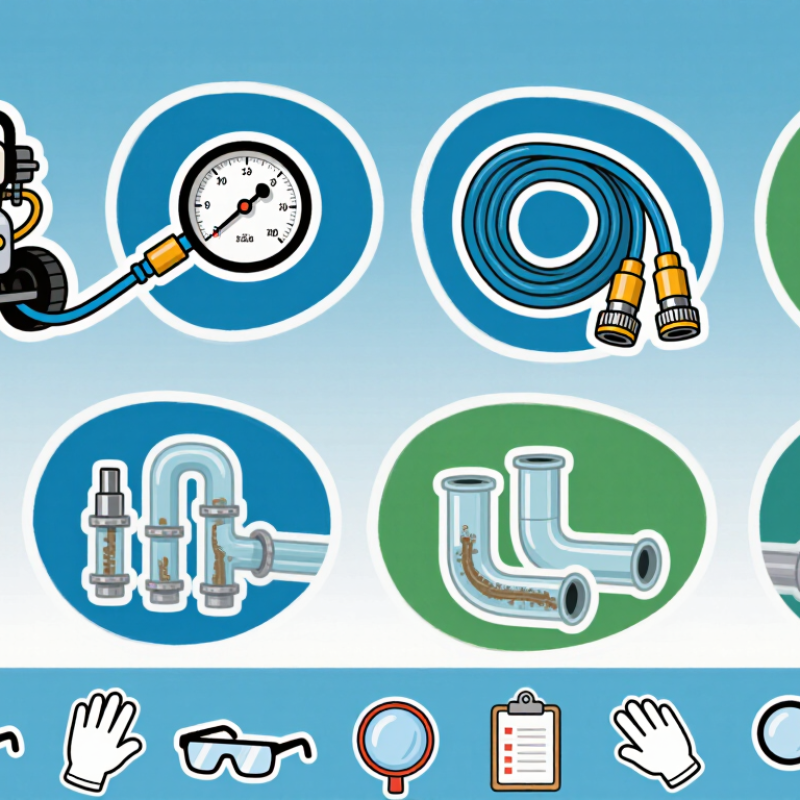
Understand the Purpose and Scope of Hydro Jetting
7 Tips for Choosing a Hydro Jetting Machine
Understand the Purpose and Scope of Hydro Jetting
Hydro jetting is a cleaning method, not a cure-all. It uses pressurized water to remove grease, scale, roots, and sediment from pipe walls. The right machine depends on the job: clearing a short residential lateral differs from maintaining a long municipal line. Before selecting equipment, identify the pipe diameter, length, material, access points, and likely blockage. A camera inspection can reveal cracks or fragile joints that pressure alone cannot show. Small details matter.
The EPA’s 2022 Clean Watersheds Needs Survey estimated $630.1 billion in wastewater and stormwater infrastructure needs over 20 years. That scale makes targeted maintenance important, but it does not mean every line needs aggressive jetting. Match flow rate, pressure, hose length, and nozzle type to the pipe and debris. A narrow nozzle may cut through a blockage, while a rotating nozzle can clean wall deposits. Check the machine’s operating range and safety controls, and confirm the discharge can be managed properly. If pipe condition is uncertain, start conservatively and inspect again. The judgment call is real; even experienced operators can misread a stubborn obstruction. Record the pipe condition, nozzle, and settings used, so the next service decision is based on evidence rather than guesswork.
7 Tips for Choosing a Hydro Jetting Machine - Understand the Purpose and Scope of Hydro Jetting
| Tip | What to Assess | Practical Guidance | Why It Matters |
|---|---|---|---|
| 1. Define the work | Typical blockage, pipe material, pipe diameter, and job frequency | Identify whether the main work involves grease, silt, roots, or routine preventive cleaning. Confirm pipe condition before selecting operating pressure. | A machine suited to the actual work is easier to control and less likely to be unnecessarily powerful for the pipe being cleaned. |
| 2. Match pressure to the application | Maximum working pressure, adjustable pressure, and operator controls | Compare the machine’s rated pressure with the equipment and pipe manufacturer’s guidance. Pressure needs vary by obstruction and pipe condition; use the lowest effective setting. | Pressure alone does not determine cleaning performance, and excessive pressure can damage weakened or unsuitable piping. |
| 3. Check water flow rate | Flow capacity, commonly stated in gallons per minute (GPM) or liters per minute (L/min) | Review both pressure and flow specifications. Higher flow can help transport loosened debris, but the water supply must support the machine’s required inlet flow. | Flow and pressure work together. A pressure rating by itself does not show how effectively a machine will flush debris from a line. |
| 4. Choose suitable hose and reach | Hose diameter, length, flexibility, pressure rating, and compatible connections | Select a hose that can reach the work area while fitting the pipe access and machine specifications. Check the hose and fittings for visible wear before use. | A suitable hose improves access and handling; an incompatible or damaged hose can create operational and safety risks. |
| 5. Evaluate portability and power | Machine weight, frame or cart design, power source, and access to the job site | For frequent indoor or residential work, consider how the unit can be moved through buildings and around obstacles. Verify that the site has the required electrical supply or fuel arrangements. | Transport requirements and available utilities affect setup time, usability, and whether the machine can be used at a particular location. |
| 6. Review nozzles and accessories | Nozzle types, replacement availability, hose compatibility, and cleaning-tool options | Confirm that the available nozzle selection suits the intended tasks, such as forward cutting, rear-facing propulsion, or general flushing. Follow nozzle and machine instructions. | Different nozzle designs direct water differently. The appropriate choice depends on the blockage, pipe layout, and operating guidance. |
| 7. Prioritize safety and serviceability | Pressure controls, emergency shutoff, guards, maintenance access, and operator documentation | Look for clear operating and maintenance instructions, accessible service components, and appropriate safety controls. Use required protective equipment and inspect the work area before operation. | High-pressure water can cause serious injury. Training, equipment condition, and safe operating procedures are essential parts of machine selection. |
Selection note: Specifications and safe operating limits vary by machine, hose, nozzle, and pipe condition. Confirm compatibility with the equipment documentation and assess the pipe before jetting.