Essential Tips for Choosing the Right Medical Panel PC?
Choosing the right Medical Panel Pc is critical for healthcare settings. These devices play a vital role in enhancing workflows and improving patient care. However, the market is flooded with various options, making the selection process challenging.
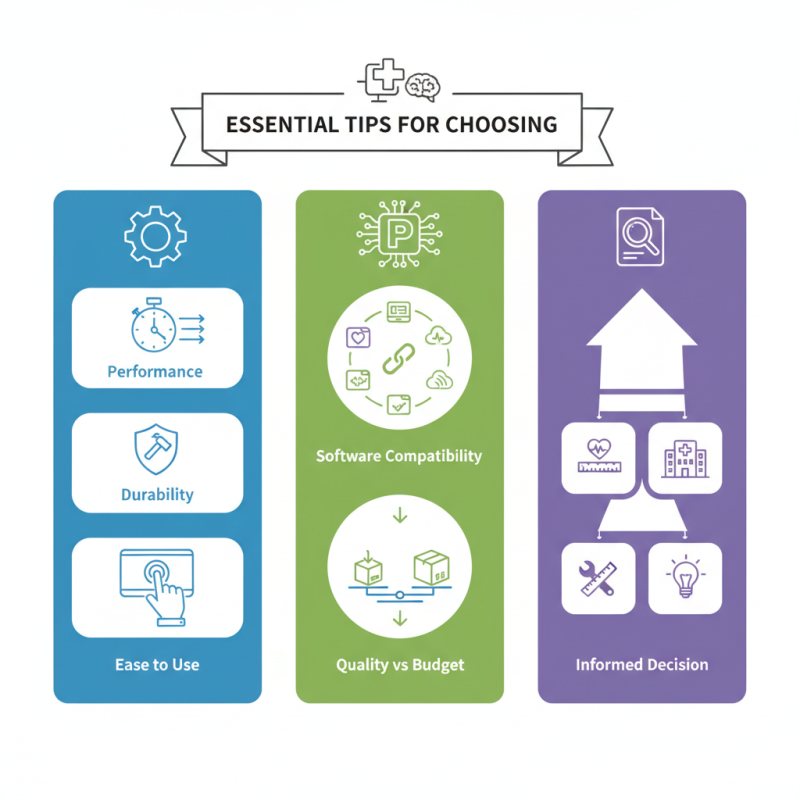
Consider key factors when searching for a Medical Panel PC. Performance, durability, and ease of use stand out. Not all models can withstand harsh medical environments. It’s important to evaluate specifications and features that meet specific needs.
Many users overlook the importance of software compatibility. Ensure the Medical Panel PC can run essential applications smoothly. Inexperienced buyers may prioritize budget over quality. A lower price may result in hidden costs down the line. Reflecting on these issues can lead to a more informed decision.
Key Factors to Consider When Selecting a Medical Panel PC
When selecting a medical panel PC, several critical factors come into play. The display size often impacts usability in clinical settings. A larger screen enhances visibility for doctors and patients alike. However, a balance is necessary; overly large units can occupy valuable workspace. Touchscreen functionality is vital too. It allows for quick access to patient records, benefiting workflow efficiency.
Durability is another essential aspect. Medical environments can be harsh. Panel PCs must withstand spills, dust, and even minor impacts. Look for models with IP ratings indicating their level of protection. Moreover, consider compliance with medical standards. These ensure the device is safe for patient interaction.
Performance cannot be overlooked. A reliable processor and adequate RAM contribute to smooth operation. Lag can frustrate healthcare professionals and delay patient care. Battery life is also significant. Devices with longer battery life ensure continuity in critical situations. Balanced features enhance reliability in everyday use, yet, overspending on unnecessary upgrades can lead to waste. Reflection on genuine needs versus wants remains crucial in this selection process.
Understanding the Specific Needs of Healthcare Environments
When choosing a medical panel PC, understanding the specific needs of healthcare environments is crucial. Hospitals and clinics require devices that enhance workflow and improve patient care. A reliable panel PC should withstand frequent cleanings and handle various medical software applications. Consider the layout of your space. Wall-mounted or cart-based systems may be necessary for flexibility in patient interaction.
The user experience is vital. Healthcare professionals must easily access critical patient information. Touchscreens should respond promptly, minimizing wait times. Additionally, the display must be bright and clear for readability in various lighting conditions. Not all medical panel PCs offer the same performance. It’s essential to assess reviews and technical specifications. This process can reveal potential issues that others have encountered.
Security also plays a significant role in healthcare settings. Data breaches can lead to severe consequences. A panel PC should come with robust cybersecurity features. Updates and support options matter, too. The healthcare field evolves rapidly. The technology must keep pace with changing regulations and advancements. A specific choice may seem perfect but could require revisions later.
Evaluating Performance Specifications for Medical Applications
When selecting a medical panel PC, performance specifications are crucial. A device must handle demanding applications efficiently. According to recent industry reports, over 70% of healthcare professionals prioritize speed and responsiveness. A lagging system can compromise patient care and workflows. Investing in reliable processors and RAM capacity is vital for seamless operation.
Important factors include display quality and touch responsiveness. Studies show that a large percentage of users prefer touchscreen interfaces for quick navigation. Ensuring a panel PC has a bright, durable display enhances visibility in various settings. Moreover, it’s essential to consider how the device withstands frequent cleaning and disinfection. Many medical devices face contamination risks due to environmental exposure. A robust casing can provide added durability.
Tips for making the right choice include focusing on connectivity options. Medical applications often require real-time data sharing. Look for devices that support multiple networking features. Compatibility with existing systems saves time and reduces frustrations. It's also worth reflecting on user feedback. Real-world experiences often reveal issues overlooked in specifications. Prioritize devices that receive positive reviews from medical staff, as they offer insight into practical performance.
Prioritizing Compliance Standards and Certifications in Medical Devices
When selecting a medical panel PC, compliance standards and certifications are paramount. The medical device industry is highly regulated, with organizations like the FDA and ISO setting crucial guidelines. According to a 2022 report by the International Medical Device Regulators Forum, over 75% of medical devices face compliance challenges. This highlights the importance of understanding regulatory requirements when choosing equipment.
Certifications can vary significantly among products. Devices must meet stringent standards such as IEC 60601-1, which ensures safety and performance. Additionally, compliance with HIPAA regulations for data privacy is critical in healthcare settings. A failure to meet these standards can result in severe penalties and even device recalls. With 60% of healthcare professionals indicating that compliance affects their purchasing decisions, the procurement of medical panel PCs cannot overlook these aspects.
Moreover, the rapidly evolving landscape of medical technology demands constant vigilance. Companies may not always update their devices to reflect new regulations, leading to outdated compliance statuses. This creates a risk that healthcare providers must acknowledge. It is vital to research and confirm the validity of certifications before making a purchase. The investment in compliant medical panel PCs safeguards patient safety and maintains trust in healthcare practices.
Essential Tips for Choosing the Right Medical Panel PC
| Criteria | Description | Compliance Standards | Certifications |
| Display Quality | High-resolution display with touch capabilities for easy navigation in medical environments. | IEC 60601-1 | CE Certification |
| Durability | Rugged design to withstand harsh medical environments including spills and dust. | IP Rating | UL Certified |
| Input/Output Options | Various ports for easy connectivity including USB, HDMI, and Ethernet. | FDA Compliance | RoHS Compliance |
| Processing Power | Sufficient CPU and RAM for running medical applications smoothly. | ISO 13485 | MDD Certification |
| Power Supply | Reliable power supply with emergency backup options. | IEC 60950 | CCC Certification |
Maintaining Security and Data Protection Features in Medical PCs
When choosing a medical panel PC, security and data protection should be top priorities. Medical settings deal with sensitive patient data. Devices must comply with stringent regulations to prevent data breaches. This includes secure hardware and software that regularly updates. An enduring challenge is ensuring all devices are consistently patched.
Data encryption is another critical factor. Encrypted data ensures that even if unauthorized access occurs, patient information remains safe. Some devices may lack effective encryption features. This can leave them vulnerable. Always verify encryption standards during your evaluation process.
User training is often overlooked. Staff must understand security protocols and how to use devices securely. Human error can open pathways for cyber threats. Regular training sessions can enhance awareness. While selecting a medical panel PC, never disregard the importance of ongoing support. A trusted support system can assist in managing security issues effectively. This holistic approach strengthens your defense against potential breaches.