7 Tips to Choose the Best Dog Barking Device
Excessive barking can turn a quiet morning into a sharp, repetitive alarm. It may disturb neighbors, exhaust families, and signal fear, boredom, pain, or territorial stress. The American Pet Products Association’s 2023–2024 National Pet Owners Survey reported that 65.1 million U.S. households owned dogs. That scale makes responsible behavior solutions increasingly important.
A Dog Barking Device should never be chosen by noise alone. Its detection range, sound intensity, response speed, safety controls, weather resistance, and training method all matter. The American Veterinary Society of Animal Behavior’s Humane Dog Training Position Statement warns against methods that cause fear or pain. Dr. Zazie Todd similarly writes, “Punishment can make behavior worse.” That warning deserves attention.
No device is perfect.
A useful choice combines humane technology with exercise, enrichment, veterinary guidance, and consistent training. Ultrasonic models may suit some sensitive dogs, while vibration or tone settings may work better for others. Results can be uneven, and that is worth admitting. A device that stops barking temporarily may not solve the reason behind it. Owners should observe the dog’s body language, record barking triggers, and stop using any product that causes panic, freezing, or avoidance.
This guide presents seven practical tips for comparing a Dog Barking Device. It considers real home conditions, not just attractive packaging. Readers will learn how to evaluate humane features, verify product claims, and match technology with a dog’s temperament. The goal is calmer communication, not silent obedience at any cost.
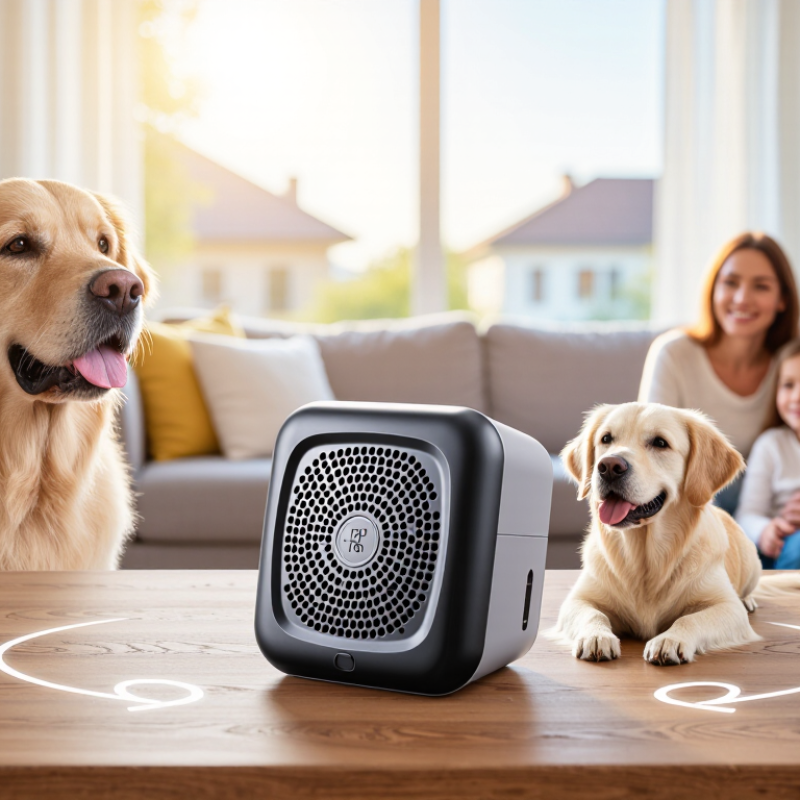
Understanding Why Dogs Bark Before Choosing a Device
A barking device should never be the first answer. Dogs bark for different reasons: fear, excitement, boredom, territorial concern, or a request for attention. Watch the pattern carefully. Does barking begin when someone passes the window, or when your dog is left alone? A ten-minute observation can reveal more than a quick product search. I once misread repeated evening barking as stubbornness. It was anxiety caused by unfamiliar outdoor noises.
Tip 1: Identify the trigger before choosing a device. Keep a simple log with the time, location, sound, and your dog’s body language. Raised fur, pacing, lip licking, or hiding may suggest stress rather than disobedience. Sudden or unusual barking deserves professional attention, especially when pain, hearing changes, or illness could be involved. A veterinarian or qualified behavior professional can help separate medical concerns from training needs.
Tip 2: Match the device to the cause and use the gentlest effective option. Sound-based or vibration-based tools may interrupt repetitive barking, but they cannot teach calm behavior alone. Avoid any device that causes pain, panic, or confusion. Introduce it briefly while rewarding quiet moments with distance, play, or a small treat. Progress may be uneven. That is normal. If your dog becomes more fearful, stops eating, or redirects aggression, discontinue the device and seek expert guidance. The best choice supports learning, not merely silence.
Comparing the Main Types of Dog Barking Devices
7 Tips to Choose the Best Dog Barking Device
Comparing the Main Types of Dog Barking Devices
Dogs bark for different reasons, including fear, boredom, territorial alerts, and separation stress. Identify the trigger before choosing a device. Otherwise, you may silence useful communication while missing the real problem.
Ultrasonic devices emit a high-frequency sound when barking occurs. They are usually contact-free, but results vary because dogs hear differently. Vibration collars provide a physical signal without electrical stimulation. They may help some dogs, yet poor fitting can cause confusion or discomfort. Static-correction collars deliver an unpleasant sensation and require exceptional caution. Some regions restrict their use. Check local regulations and seek professional guidance before considering one. Citronella collars release a strong scent near the muzzle. They avoid electrical stimulation, but sensitive dogs may still find the experience stressful.
Fit matters. Choose equipment with adjustable settings and clear instructions. Select the mildest effective response, then monitor your dog’s body language. Pinned ears, hiding, trembling, or constant scratching indicate distress. Stop using the device and consult a qualified trainer or veterinarian. A barking device should support training, not replace it. Reward quiet behavior with treats, play, or calm attention. Close windows when outside noise triggers barking. Add exercise and enrichment for dogs barking from frustration. I would not trust a device that promises instant results. Even a humane tool can fail when the timing is inconsistent. Test it briefly in a quiet setting, record the response, and adjust slowly.
Testing, Adjusting, and Maintaining Your Chosen Device
With millions of dogs in homes, careful testing matters. APPA’s 2023–2024 National Pet Owners Survey reports roughly 65 million U.S. households own a dog. PFMA’s 2024 Pet Population Survey counted about 13.5 million dogs in the United Kingdom. That scale makes responsible device use important.
Start with a three-day baseline. Record barking times, triggers, and duration before activating the device. Test it during one predictable event, such as a delivery. Keep your dog several metres away. Watch for calmer behavior, hiding, pacing, or repeated barking. Stop if distress appears. A quiet room is not always a successful result.
Adjust only one setting at a time. Use the lowest effective level and wait 24 hours before changing it again. Pair the device with calm praise, distance, and a clear alternative behavior. Veterinary behavior guidance consistently favors reward-based training over fear or pain. Never use a device to punish anxiety or separation distress. I once changed two settings together and could not identify what helped. That was poor testing.
Maintenance affects reliability. Clean sensors with a soft, dry cloth each week. Check charging contacts and inspect the casing for cracks. Keep the device away from rain unless its instructions allow outdoor use. Review barking notes every seven days. If the pattern worsens, pause the device and consult a qualified veterinary behavior professional. Settings can drift. Dogs can change, too.