

Top 10 Impressed Current Anode Suppliers Worldwide
Selecting an Impressed Current Anode supplier is a practical engineering decision, not just a purchasing exercise. The right choice depends on the protected structure, electrolyte, operating conditions, design life, and installation environment. A supplier’s catalogue may look reassuring; the details matter more.
Corrosion engineer Mars G. Fontana’s classic definition describes corrosion as “the destructive attack of a metal by chemical or electrochemical reaction with its environment.” That principle explains why anode performance cannot be judged by product name alone. Mixed-metal-oxide, platinized titanium, and high-silicon cast-iron anodes each serve different conditions. Their suitability depends on current demand, coating specifications, dimensions, and system design.
This Top 10 Impressed Current Anode Suppliers Worldwide guide offers a starting point for comparing manufacturers and specialist suppliers. It considers product range, technical documentation, quality controls, project experience, and after-sales support. Look for clear material data, test records, and application guidance. Ask how the supplier supports commissioning and service life assessment. Small details count.
A global list cannot replace project-specific engineering review. Supplier capabilities and regional availability can change, while published claims may not reveal every limitation. That deserves scrutiny. Use the comparison to build a shortlist, then verify specifications against your design requirements. The ranking is a guide, not a guarantee.
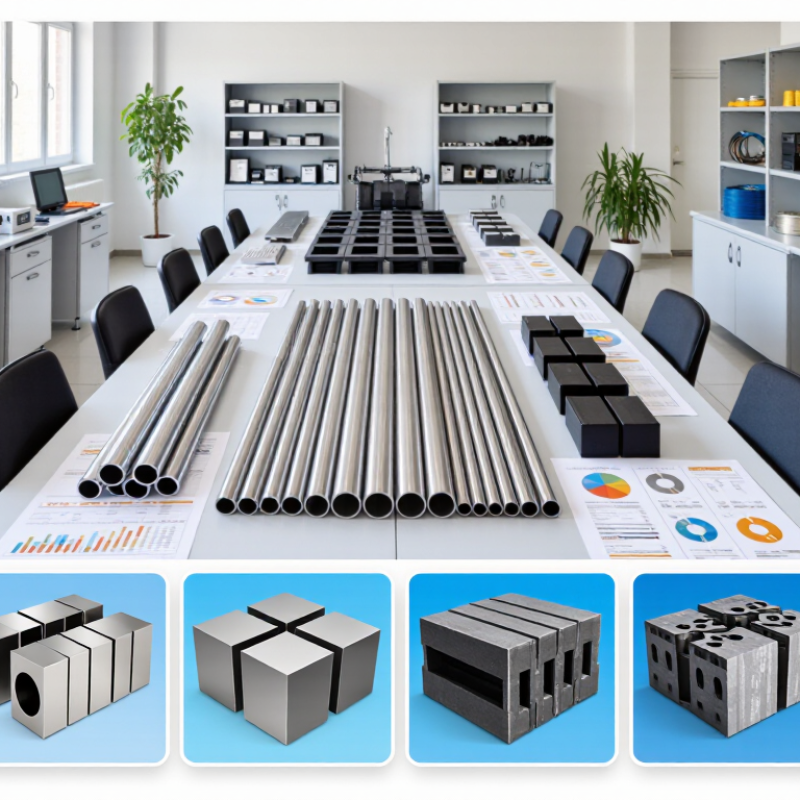
Impressed-Current Anodes: Operating Principles and Cathodic-Protection Systems
Impressed-current cathodic protection (ICCP) uses a DC power source to drive protective current from buried or submerged anodes through soil or water to a metal structure. The structure becomes the cathode, slowing corrosion. A typical system includes a rectifier, anodes, cables, and reference electrodes. Current must be monitored, not simply switched on and forgotten.
Design depends on soil resistivity, coating condition, geometry, and nearby structures. Anodes may be installed in a groundbed, where moist backfill helps distribute current. Too little current leaves areas underprotected; too much can damage coatings or create interference. The 2016 NACE IMPACT study estimated annual global corrosion costs at US$2.5 trillion, about 3.4% of global GDP. That figure covers corrosion broadly, not ICCP alone, but it underscores the value of sound corrosion management. Real sites still surprise designers.
Tips: Check reference-electrode readings at several locations, and record rectifier output over time. Inspect cable connections for moisture and corrosion. Compare measurements with the original design criteria; a single reading can hide uneven protection. If readings drift, investigate before adjusting current.
Anode Types and Materials: MMO, High-Silicon Cast Iron, and Graphite
Impressed-current anodes convert electrical current into protection for buried pipelines, tanks, and other steel structures. Their material affects service life, current output, and installation needs. MMO anodes use a mixed-metal-oxide coating over a stable titanium substrate. They can deliver high current density in compact assemblies. Check the coating specification, cable connection, and intended soil or water environment before comparing suppliers. Small details matter.
High-silicon cast iron is a durable option for groundbeds, where anodes are often installed in carbonaceous backfill. Its relatively low consumption rate can support long service periods, but brittle sections need careful handling. Graphite anodes are lightweight and conductive, and they commonly operate with coke breeze backfill. They can be economical in suitable conditions, though mechanical damage and connection quality deserve attention. Each material has limits.
For worldwide procurement, compare more than quoted price. Request dimensions, rated current, coating or alloy details, test records, and installation guidance. Ask how the anode performs in the project’s soil resistivity, moisture, and operating-current range. Still, material charts can make selection look simpler than it is. Local ground conditions vary, and an oversized or poorly matched anode may not solve the design problem. Independent engineering review helps buyers assess supplier claims and confirm compatibility with the complete cathodic-protection system.
Design Benchmarks: −850 mV CSE and 100 mV Polarization Criteria
A useful supplier comparison starts with protection criteria, not catalogue claims. For steel in soil or water, a potential of −850 mV versus a copper/copper sulfate reference electrode is a common benchmark. The measurement must be taken correctly. Reference-electrode placement, electrical continuity, and voltage drop can all distort readings.
Numbers need context. Where current is interrupted, an instant-off reading can help assess the structure’s polarized potential. A 100 mV polarization shift or decay is another widely used criterion, but it requires a reliable baseline and careful timing. Test records should state electrode type, location, interruption method, and measurement conditions. Otherwise, two suppliers may appear to meet the same target while using different procedures.
Look for anode designs supported by practical field data, including current output, expected consumption, cable details, and installation conditions. Soil resistivity and coating defects affect how current reaches the structure; a powerful anode alone cannot fix poor system design. Field readings drift. I would also question any proposal that treats −850 mV as a universal pass mark. Site conditions, reference-electrode accuracy, and applicable engineering requirements deserve review before selecting an impressed-current system.
Supplier Comparison Criteria: Product Range, Standards, and Global Project Reach
Comparing impressed current anode suppliers starts with the product range, not a glossy catalogue. Check whether each supplier offers anodes suited to your environment, such as mixed-metal-oxide-coated titanium or high-silicon cast iron. Ask for operating limits, dimensions, connection details, and current-output data. These details affect system design. A product list alone is not enough.
Standards need careful review. Request current certificates, material traceability, inspection records, and test reports tied to the specific products being quoted. Confirm that claimed standards fit the project type and region; a general quality certificate does not prove an anode meets every project specification. A polished brochure can still leave gaps. Ask technical questions.
Global project reach is more than shipping to many countries. Look for relevant project references, design support across time zones, clear documentation, and access to installation or commissioning assistance. Check how the supplier handles replacement parts and technical queries after delivery. Compare the scale and conditions of cited projects with your own site, including soil or water conditions and required service life. Some comparisons remain imperfect when suppliers report performance in different ways. State those uncertainties, and request comparable evidence before shortlisting.
| Comparison profile | Typical product range | Relevant standards and references | Global project reach: evidence to verify | Key procurement checks |
|---|---|---|---|---|
| 1. MMO-coated titanium specialist | Mixed-metal-oxide-coated titanium anodes; rod, tube, wire, ribbon, and mesh formats may be available. | ISO 15589-1 or ISO 15589-2 for applicable pipeline cathodic-protection design; DNV-RP-B401 for applicable offshore CP design. | Request project references by application and region, local technical support details, and documented export experience. | Confirm coating specification, substrate dimensions, rated current output, design life basis, and warranty conditions. |
| 2. High-silicon cast-iron anode supplier | High-silicon cast-iron anodes in standard or project-specific shapes, commonly used in groundbed installations. | ASTM A518/A518M covers corrosion-resistant high-silicon iron castings; confirm the applicable grade and project specification. | Check shipment history for the required anode dimensions, packing arrangements, and destination-country requirements. | Review chemistry, casting quality records, connection details, backfill compatibility, and dimensional inspection reports. |
| 3. Platinized-anode supplier | Platinum-coated titanium or niobium anodes in rod, wire, mesh, or custom configurations, subject to supplier offering. | Project design references may include ISO 15589 series or DNV-RP-B401 where applicable; these are CP design references, not blanket product certifications. | Request evidence of completed projects in the target electrolyte and confirmation of regional engineering support. | Verify coating thickness, substrate material, allowable current density, operating environment, and stated consumption assumptions. |
| 4. Deep-well groundbed package supplier | May package anodes with cable, vent pipe, centralizers, and related groundbed components; package scope varies. | Applicable pipeline CP design references include ISO 15589-1; installation and electrical requirements should also follow the project specification. | Confirm capability to coordinate installation support, logistics, and field service in the proposed project location. | Check borehole design inputs, anode spacing, cable sizing, venting arrangement, and commissioning documentation. |
| 5. Distributed-anode system supplier | MMO titanium ribbon, wire, mesh, or strip systems for distributed current applications, depending on design. | Use the applicable CP design standard and project specification; verify that the selected anode configuration suits the structure and electrolyte. | Ask for comparable installations, installation-method statements, and support availability across the project lifecycle. | Confirm current distribution design, connection method, cable transitions, installation tolerances, and repair procedures. |
| 6. Offshore and marine anode supplier | ICCP anode assemblies and related components designed for submerged or offshore service; exact materials and assemblies vary. | DNV-RP-B401 is a relevant offshore CP design reference; project-specific requirements may also apply. | Review offshore references, marine logistics capability, traceability records, and access to regional service personnel. | Assess seawater suitability, mechanical protection, cable sealing, installation interfaces, and qualification evidence. |
| 7. Tank and water-infrastructure anode supplier | ICCP anodes for applicable tank, water-treatment, or buried-structure projects; available designs depend on the environment. | Identify the governing project or industry specification and confirm that the anode design is appropriate for the service environment. | Request references for similar structures and confirmation of commissioning or troubleshooting support in the target region. | Verify electrolyte conditions, current demand, anode placement, cable routing, and compatibility with the rectifier system. |
| 8. Custom-fabricated anode assembly supplier | Project-specific anode dimensions, supports, connectors, and assemblies using suitable ICCP anode materials. | Applicable standards depend on the asset type and design basis; require a documented compliance matrix for the project. | Check manufacturing locations, subcontractor controls, export documentation, and references for comparable custom work. | Review approved drawings, material traceability, inspection and test plans, and change-control procedures. |
| 9. Anode-and-cable system supplier | Anodes supplied with compatible cables, joints, and connection accessories; inclusions should be confirmed in the quotation. | Follow the applicable CP design standard and project electrical requirements; confirm cable and joint specifications separately. | Verify ability to deliver complete packages to the site and provide technical support across the intended operating regions. | Check cable insulation, conductor sizing, joint sealing, termination details, and continuity-test requirements. |
| 10. Engineering-led CP solution provider | May offer anode selection alongside design, system components, commissioning, or monitoring services; scope varies by provider. | Potential references include ISO 15589-1, ISO 15589-2, and DNV-RP-B401 where relevant to the asset and environment. | Validate named project references, local partner arrangements, service coverage, and post-installation support commitments. | Clarify design responsibility, calculations, acceptance criteria, commissioning scope, and long-term performance reporting. |
Important: This is an anonymized procurement-screening framework, not a verified ranking or a claim about the capabilities of ten specific companies. Product availability and project reach vary by supplier. ISO 15589 and DNV-RP-B401 are design references; their mention does not imply that a particular product or supplier is certified. Verify supplier-specific specifications, certificates, and references during tender evaluation.
Top 10 Impressed Current Anode Suppliers Worldwide: Products and Applications
Impressed current anode suppliers serve projects where passive protection cannot provide enough current. Their main products include mixed-metal-oxide-coated titanium anodes, high-silicon cast-iron anodes, and flexible linear anodes. These systems protect buried pipelines, storage tanks, offshore structures, and reinforced-concrete assets. The right choice depends on soil resistivity, coating condition, current demand, and expected service life—not simply purchase price.
The NACE IMPACT study, published in 2016, estimated global corrosion costs at US$2.5 trillion annually, or 3.4% of global GDP. It also reported that effective corrosion-management practices could save 15–35% of those costs. This is broad corrosion data, not a direct estimate of impressed-current systems. Still, it explains why buyers compare suppliers’ design support, anode testing, installation guidance, and monitoring provisions alongside product specifications.
For a pipeline, engineers may specify a groundbed anode selected for local soil conditions; a marine project may require a durable anode assembly and carefully placed reference electrodes. Details matter. A supplier’s stated design life is not a guarantee: backfill, cable joints, and operating current can change field performance. Datasheets help, but they cannot replace site measurements. That part is easy to underestimate.