Top 10 Metal 3D Printing Factories for Global Buyers
Choosing a metal 3D printing partner can shape a product’s cost, performance, and delivery schedule. A capable Metal 3d Printing Factory should do more than produce a sample part. Buyers need to assess alloy options, build size, surface finishing, inspection methods, and engineering support. Small details matter: a thin bracket may warp, while a rough internal channel can affect cleaning or flow. This guide introduces ten factories serving global buyers and explains what to examine before requesting a quote. It is a starting point, not a certification of every facility.
The comparison focuses on practical factors, including process capabilities, documented quality controls, communication, and support from prototype through production. Shortlists need scrutiny. Ask which metal powder grades are available, how parts are inspected, and whether test reports can accompany an order. Confirm lead times and shipping arrangements for your destination, since capacity and schedules can change. A polished website alone proves little. Buyers should also review sample work, clarify drawing tolerances, and discuss design changes before production begins. Some suppliers may suit complex aerospace components; others may be a better fit for tooling or small batches. The distinction is not always obvious. No single factory is right for every project, and a low quote may omit finishing or inspection costs. Use the profiles to frame specific questions, compare evidence, and identify a partner whose capabilities match your part and production needs.
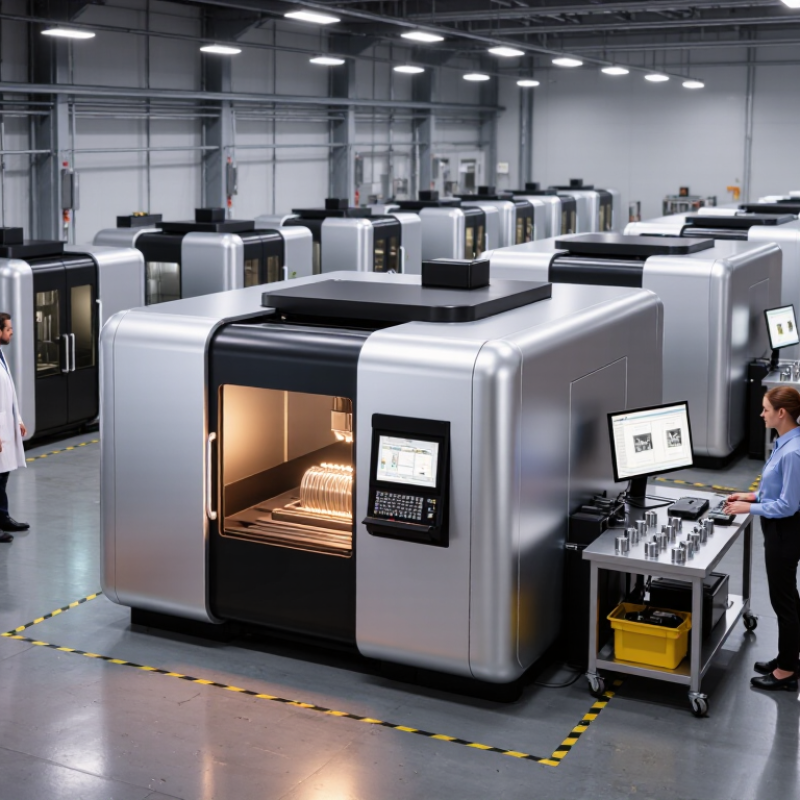
Understanding Metal 3D Printing Factories and Their Global Role
Top 10 Metal 3D Printing Factories for Global Buyers
Understanding Metal 3D Printing Factories and Their Global Role
Metal 3D printing factories are more than machine rooms. They connect design, powder handling, printing, heat treatment, machining, and inspection. Buyers should ask how each step is documented. A smooth surface can hide internal defects.
Wohlers Report 2024 estimated that the global additive manufacturing industry reached $20.035 billion in 2023, growing 11.1% from 2022. This figure covers the broader industry, not metal printing alone. Still, it signals expanding demand for qualified production capacity. Factories can support global supply chains by making parts closer to users, reducing some shipping delays and inventory needs. They cannot remove every bottleneck.
The practical differences are often small but important: powder storage conditions, build monitoring, and inspection records. Ask for material certificates and repeatability data from comparable builds, not just machine specifications. Check whether finishing and testing happen onsite or through partners. That affects lead time and accountability. A factory may offer impressive equipment, yet struggle with consistent processes. Buyers should compare evidence, not promises. The industry is still learning.
Key Criteria for Evaluating Metal 3D Printing Suppliers
A reliable metal 3D printing supplier should explain how its process fits your part, not just list available machines. Ask about compatible alloys, build volume, minimum wall thickness, and the support structures your design may need. Request material certificates and details on powder handling and batch traceability. Clear answers matter. If a supplier cannot explain how it controls porosity or dimensional variation, treat that as a reason to ask more questions.
Review inspection and finishing options before requesting a quote. Depending on the part, useful checks may include dimensional measurement, density testing, or internal inspection. Confirm which checks are included and which cost extra. Ask for a sample build or a comparable case study, then examine surface finish, critical dimensions, and delivery records. A polished sample is helpful, but it is only one data point. Requirements can shift between prototypes and repeat orders, so discuss capacity, lead times, and corrective actions early.
Tips: Send a drawing with marked critical dimensions, tolerances, and intended use. Ask for a written review of manufacturability before production. Compare quotes line by line, including heat treatment, machining, inspection, and shipping. Keep room for revision; even a sound design may need changes after its first build.
Comparing Factory Capabilities, Materials, and Certifications
For global buyers, factory capability means more than owning a metal printer. Compare laser powder bed fusion and directed energy deposition, available build dimensions, and documented process repeatability. Ask whether the facility also performs heat treatment, hot isostatic pressing, machining, and inspection. These steps affect the finished part as much as the print itself. Material lists should name specific grades, such as 316L stainless steel, Ti-6Al-4V, and nickel-based superalloys. Confirm that each grade is supported by traceable powder records and test data.
The Wohlers Report 2024 estimated global additive manufacturing industry revenue at $20.0 billion in 2023, an 11.1% annual increase. This figure covers the wider industry, not metal printing alone, but it signals a growing market where qualification matters.
Check quality certificates against the work you need: ISO 9001 supports general quality management, while AS9100 and ISO 13485 address aerospace and medical quality systems. ISO/ASTM 52920:2023 sets requirements for industrial additive manufacturing processes and production sites. A certificate is useful, but it does not prove a specific part will meet your requirements. Request sample inspection reports, tensile results, and powder traceability records.
Tips: Send the same drawing and acceptance criteria to every factory. Compare lead time, inspection scope, and quoted post-processing—not just the machine price. Ask for a representative test coupon. Small differences can matter.
Selecting and Qualifying the Right Manufacturing Partner
Selecting a metal 3D printing partner takes more than comparing machine lists. Ask which alloys the factory regularly prints, and request sample parts made with the same material and process. Look for clear records linking powder batches, build parameters, and inspection results. That matters. A polished sample alone cannot show whether production runs are consistent.
Discuss the full workflow, including support removal, heat treatment, machining, and final inspection. Ask for dimensional reports and material documentation, then compare a first article with your drawing and tolerances. Agree on acceptance criteria before production begins. Check how the factory handles failed builds and schedule changes. These conversations can reveal more than a sales presentation, though I have seen buyers overlook them when deadlines feel tight.
A site visit or live process review can help confirm that equipment and inspection tools are used as described. Ask who reviews deviations and how corrective actions are recorded. Vague answers deserve follow-up. Compare total delivered cost, not just the quoted printing price; post-processing and shipping can change the picture. Even careful qualification may miss a detail, so document assumptions and test a small order before committing to larger volumes.
Metal 3D Printing Supplier Qualification: Example Buyer Evaluation Weights
This example framework prioritizes quality systems, process capability, and inspection when evaluating manufacturing partners. The percentages are suggested planning weights, not market-survey results; buyers should adjust them to fit their part requirements and risk profile.