

top of page

China Top Puffs Plus Vape Suppliers for Global Buyers?

Finding reliable China-based suppliers for Puffs Plus Vape products requires more than comparing catalog prices. Global buyers need clear product specifications, responsive communication, and verifiable quality-control information. A polished website can look reassuring, but it does not prove that a supplier’s records are complete. Ask for current documentation and check that names, models, and production details match.

This guide explores practical ways to assess suppliers, from reviewing sample consistency to discussing packaging, lead times, and order terms. Small details matter. A carton label, a batch code, or a delayed reply can reveal how carefully a company manages its process. Buyers should also confirm that products meet the rules in their destination market. Requirements may differ by location and product type, and they can change. Seek qualified local guidance when needed; this overview is not legal advice.

Experience helps, but it is not a guarantee. Request written specifications, clarify how defects are handled, and keep communication records. Where possible, use independent testing or inspection suited to the product and applicable standards. Be cautious of broad claims that lack supporting documents. No supplier shortlist stays perfect for long. Prices, capacity, and documentation can shift, so recheck key details before placing an order. The aim is a careful, evidence-based comparison—not a promise that any supplier is risk-free.
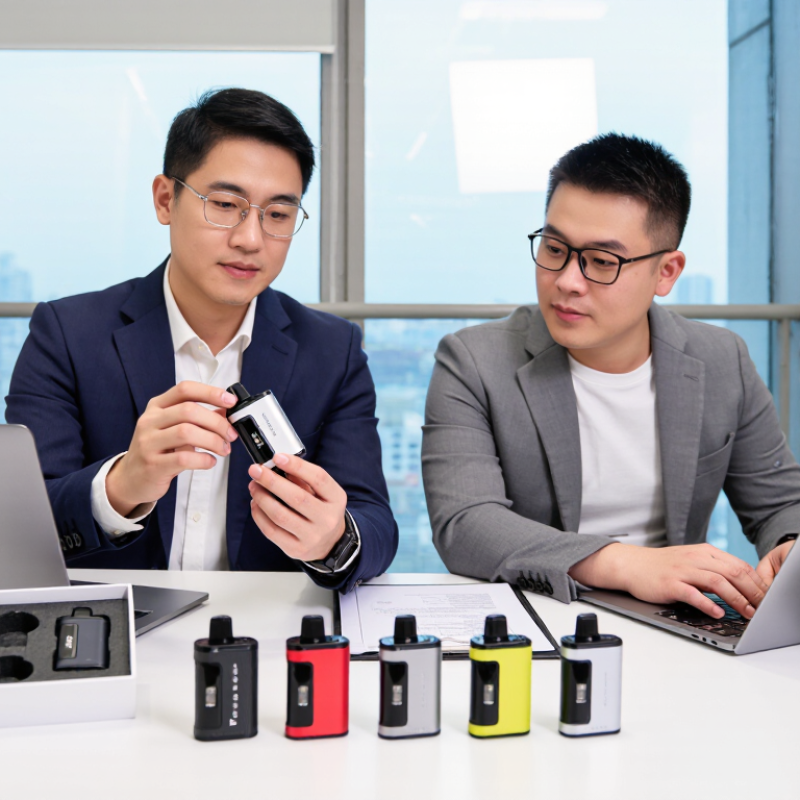
China Top Puffs Plus Vape Suppliers for Global Buyers?

What Defines a Puffs Plus Vape Supplier?

A reliable vape supplier is defined less by factory size than by verifiable controls. Buyers should request current product specifications, ingredient disclosures where applicable, batch identification, and test records from qualified laboratories. Documents should match the exact model and production lot, not merely a similar sample. Details matter. Clear labeling, sealed packaging, and traceable component sourcing make quality checks more practical. A polished catalog alone proves little.

Reliable suppliers explain how they manage quality checks, shipping timelines, and product issues. Market requirements differ, so responsible suppliers identify intended markets and provide documents buyers can review with local compliance professionals. They should state lead times, minimum order quantities, warranty terms, and defect procedures in writing. A responsive contact helps, but written answers matter more. Ask for an evaluation order and inspect packaging, labeling, and consistency before scaling. That takes time. No supplier is flawless; records may be incomplete, and delays can happen. The stronger partner acknowledges gaps and addresses them with dated documentation rather than promising perfection.

How Can Buyers Verify Supplier Credentials and Product Authenticity?

Reliable sourcing begins with verifiable records, not polished sales pages. Ask suppliers for their registered business name, physical address, and current manufacturing or distribution credentials. Check these details against the relevant registry, using contact information you find independently. A PDF alone proves little. Request recent, product-specific test reports from an identifiable laboratory. Confirm report numbers, dates, and sample descriptions where possible. The report should match the exact model and batch you plan to purchase, not a similar-looking item. Small details matter.

To assess product authenticity, request clear photos of sealed cartons, lot codes, labels, and tamper-evident features before payment. Compare them with an approved sample, then inspect packaging consistency when goods arrive. Ask how batch records connect production dates with finished units; gaps deserve clear written answers. Paper can be copied. So can photos. Consider a small trial order and set inspection criteria in writing. Buyers can focus on unit price and overlook an expired credential or mismatched lot code. It is an easy mistake, but not a reliable check. No single document settles the question. Keep records and verify that the products and transaction meet the requirements of the destination market.

Which Product Specifications Should Buyers Compare?

When comparing Puffs Plus vape specifications, start with measurable details rather than promotional claims. Check device dimensions, net weight, battery capacity in milliamp-hours, and charging interface. These affect shipping, shelf storage, and everyday handling. Small differences matter. Ask suppliers to provide consistent measurement units and confirm whether figures describe the device alone or its retail package.

Review the stated liquid capacity, coil resistance, airflow design, and estimated puff count together. Puff estimates depend on draw length and frequency, so treat them as approximate, not guaranteed. A specification sheet should explain how estimates were measured. It often does not. That gap is worth questioning. Also compare materials, leak-control features, and the clarity of operating instructions.

Reliable suppliers should share current product documentation, batch identification methods, and test reports relevant to the destination market. Verify that document details match the exact model and production batch, not merely a similar device. Check packaging dimensions and carton quantities before calculating freight costs. Request a sample when practical, then inspect seams, controls, and printed information under normal lighting. One weakness remains: sample quality may not represent every shipment, so buyers should also agree on inspection criteria and a process for handling defects.

How Do Pricing, Shipping, and After-Sales Terms Vary?

For global buyers, compare quotes on the same basis: unit price, minimum order, packaging, and Incoterm. An EXW quote may exclude export handling and pickup, while CIF includes freight and insurance to the named port, not necessarily import charges. Ask for a dated cost breakdown. Small fees add up.

Freight is not steady. UNCTAD’s Review of Maritime Transport 2024 documented sharp container-rate increases and route disruptions during the first half of 2024. Request a written shipping window, tracking details, and a plan for delays. After-sales terms deserve equal scrutiny: clarify defect evidence, replacement timelines, spare-part availability, and who pays return freight. Keep batch and inspection records; they make disputes less vague. Supplier assurances alone are not proof of quality.

Tips: Compare landed costs, not just unit prices. Confirm local import requirements before ordering, and get warranty terms in writing. A polished sample can still differ from bulk production. Verify the production batch before shipment.

China Top Puffs Plus Vape Suppliers for Global Buyers? - How Do Pricing, Shipping, and After-Sales Terms Vary?

General comparison of supplier types for vape products; it does not represent verified offers from specific suppliers. Prices, lead times, and service terms require a current written quotation.

Supplier type Pricing and order terms Shipping considerations After-sales terms to confirm Buyer checks
Manufacturer or factory-direct exporter Quotes are commonly based on product configuration, order quantity, packaging, and agreed trade terms. Larger orders may qualify for different unit pricing, but minimum order quantities and tooling or customization charges can apply. Buyers may arrange freight themselves or request a shipping quote. Export documentation, dangerous-goods classification, destination restrictions, and the agreed Incoterm can affect cost and delivery arrangements. Request written defect-reporting deadlines, evidence requirements, replacement or credit rules, and responsibility for return freight. Warranty coverage should be stated rather than assumed. Verify the legal exporting entity, product specifications, batch traceability, sample consistency, and whether the quoted product may legally be sold in the destination market.
Trading company or sourcing intermediary Pricing may include sourcing, consolidation, or coordination services. Compare the complete quote, including customization, inspection, payment, and freight charges, rather than unit price alone. Multiple products may sometimes be consolidated, subject to carrier rules and product compatibility. Confirm who is exporter of record and who handles customs documents and shipping claims. Clarify whether support is provided by the intermediary, the manufacturer, or both. Identify the contact responsible for investigating defects and arranging any agreed remedy. Ask for the manufacturer’s identity and product documentation where legally appropriate. Confirm that specifications and labels match the goods supplied.
Regional importer or distributor Local stock can reduce the need for an international shipment, but pricing depends on local inventory, taxes, distribution costs, and order size. Compare the delivered price and applicable tax treatment. Domestic delivery may simplify customs handling for the buyer. Check stock availability, delivery coverage, and whether the distributor can provide proof of lawful importation. Local support may simplify communication and returns, but the actual service level depends on the distributor’s written policy. Confirm response times and available remedies. Check local authorization, invoices, required warnings and labels, age-sale controls, and the distributor’s process for product safety notices or recalls.
Online wholesale marketplace seller Listed prices may be indicative and can exclude shipping, duties, taxes, customization, or payment charges. Confirm the final price, quantity breaks, and refund conditions directly in the order terms. Platform shipping estimates may not account for destination-specific import rules or carrier restrictions. Confirm the ship-from location, tracking, customs responsibility, and delivery terms. Marketplace dispute procedures may have deadlines and evidence requirements. Confirm whether the seller offers any separate written warranty or replacement policy. Review seller verification, transaction records, samples, product documentation, and platform protections. Do not treat a listing or certificate image alone as proof of compliance.

Before ordering, verify that import, sale, advertising, nicotine limits, packaging, labeling, and age-restriction rules permit the product in the destination jurisdiction. Shipping eligibility and customs treatment vary by product and country; obtain current written quotes and compliance advice where needed.

What Import and Compliance Rules Apply to Global Buyers?

Import rules vary by destination. A supplier’s export documents do not prove that a product can be sold locally. Buyers should check product classification, importer registration, ingredient disclosures, labeling, tax, and customs requirements before shipment.

The European Union’s Tobacco Products Directive sets specific limits for nicotine-containing products: nicotine concentration cannot exceed 20 mg/ml, refill containers are limited to 10 ml, and tanks or cartridges to 2 ml. It also requires notification six months before products are placed on the EU market. These figures apply to the EU, not every country. The WHO’s 2023 global tobacco-control report also describes varied national approaches to e-cigarette regulation, underscoring the need for country-by-country checks.

Tips: Ask suppliers for current test reports, ingredient lists, batch records, and compliant label artwork. Match every document to the destination market’s rules, then confirm requirements with its customs authority or a qualified compliance professional. Keep written records. Small mismatches matter: a label translated for one market may omit a warning required in another. I would not rely on a spreadsheet alone; rules and product classifications can change, and a complete file can still contain outdated details.

bottom of page