Top 5 RFID Mobile Terminals for Efficient Inventory Management?
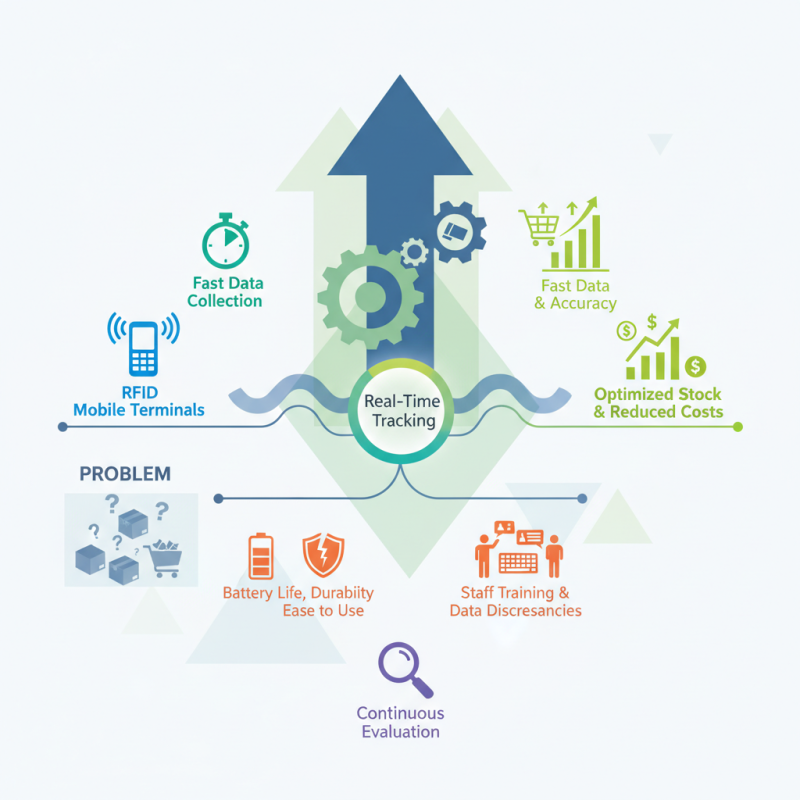
In today’s fast-paced retail environment, efficient inventory management is crucial. Businesses face constant pressure to optimize stock levels and reduce operational costs. RFID Mobile Terminals play a key role in achieving these goals. These devices allow for real-time tracking of inventory items, preventing stock shortages and surpluses.
The technology enables quick data collection and processing, enhancing accuracy in tracking stock. However, selecting the right RFID Mobile Terminals can be challenging. Companies must consider factors such as battery life, durability, and ease of use. The wrong choice could lead to inefficiencies.
Furthermore, the implementation may present hurdles. Staff training is vital, yet often neglected. Discrepancies in data entry can occur, leading to confusion. It’s essential to recognize these potential pitfalls. Continuous evaluation of RFID Mobile Terminals will help to enhance their effectiveness and address shortcomings over time.
Overview of RFID Technology in Inventory Management
RFID technology has significantly revolutionized inventory management. It automates data collection, making stock management more efficient. According to a recent study, companies using RFID experience up to 30% less time spent on inventory tasks. This efficiency leads to immediate cost savings and enhances overall productivity.
The technology allows for real-time tracking of inventory. RFID tags used in warehouses can provide instant updates on item location and availability. Reports suggest that businesses can achieve inventory accuracy rates of over 99% with RFID. This precision reduces stockouts and overstock situations, which are common pitfalls in traditional systems. However, the implementation of RFID can be challenging. Initial setup costs and training can deter some organizations.
Despite the challenges, the benefits often outweigh the drawbacks. Companies report a significant decrease in manual counting errors. In fact, a survey noted a 50% reduction in discrepancies after adopting RFID. Yet, some organizations struggle with integrating new technology into existing systems. The transition requires planning and adjustment. Overall, RFID technology proves to be valuable, but success relies on overcoming these hurdles.
Factors to Consider When Choosing RFID Mobile Terminals
When selecting RFID mobile terminals for inventory management, several factors come into play. The size and weight of the device can impact usability. A lightweight terminal enhances operator comfort during extended use. According to recent studies, 73% of workers prefer devices that are portable and easy to handle. Advanced features like touchscreens can improve interaction. A study found that terminals with intuitive UIs can boost scanning efficiency by nearly 30%.
Another consideration is battery life. Long-lasting batteries reduce downtime. Businesses often undervalue the impact of frequent charging. A reliable RFID terminal can sustain shifts without interruption. Data indicates that firms using devices with robust batteries cut operational delays by up to 25%. Connectivity options are also vital. Mobile terminals should support various communication protocols for seamless data transfer. Flexibility in connection types allows businesses to adapt quickly.
Durability is paramount, especially in challenging environments. Terminals should withstand drops and extreme conditions. Research shows that 60% of terminals fail due to environmental factors. Investing in rugged terminals can significantly lower replacement costs. User feedback plays a critical role as well. Listening to end-user experiences can highlight potential flaws that design teams might overlook. Ensuring practicality and real-world effectiveness is essential for any deployment strategy.
Top 5 RFID Mobile Terminals for Efficient Inventory Management
| Model | Read Range | Battery Life | Weight | Operating System | Price Range |
| Model A | Up to 10 meters | 16 hours | 300 g | Android 10 | $800 - $1000 |
| Model B | Up to 15 meters | 12 hours | 250 g | Windows 10 | $700 - $900 |
| Model C | Up to 12 meters | 14 hours | 400 g | Android 9 | $600 - $800 |
| Model D | Up to 20 meters | 18 hours | 290 g | iOS 14 | $1000 - $1200 |
| Model E | Up to 8 meters | 10 hours | 320 g | Android 11 | $500 - $700 |
Top Features of Highly Rated RFID Mobile Terminals
Efficient inventory management is vital for businesses. RFID mobile terminals have revolutionized this area by improving accuracy and speed. The choice of terminal can significantly impact efficiency. Key features to consider include scanning speed, battery life, and durability.
Scanning speed is crucial. Reports show that efficient terminals can scan items in under a second. This speed reduces wait times and streamlines operations. Battery life also matters. A long-lasting battery, ideally over 12 hours, ensures minimal interruptions during busy days. Durability is essential too. Terminals should withstand drops and harsh environments, minimizing repair costs.
Tip: Always assess your business's specific needs before investing. Consider how many items you handle daily. Refining your choice can enhance productivity.
User interface is another important feature. A simple, intuitive design aids workers in quickly learning how to use the device. Some systems incorporate voice recognition or touch screens for ease of use. Nevertheless, flexibility can be a double-edged sword. Training staff on complex systems might take time, leading to initial inefficiencies.
Tip: Plan for training sessions to help staff adapt to new technology. A well-trained team can make the most of these advanced features. Effective inventory management relies on balancing technology with human skills.
Comparison of Leading RFID Mobile Terminals for Efficiency
In the fast-paced world of inventory management, RFID mobile terminals play a crucial role. These devices help businesses track goods efficiently. They can scan tags quickly, reducing time spent on inventory counts. However, not all terminals are created equal. Some may lack battery life, leading to interruptions in workflow.
When comparing leading RFID mobile terminals, consider their scanning range and speed. A wider range can save time in large warehouses. Portability is also essential. A lightweight design enhances ease of use. Yet, some terminals may not be robust enough for tough environments. Users must assess the durability and performance under various conditions.
Data connectivity is another critical factor. Some terminals struggle with stable connections, leading to delays. This can hinder real-time inventory updates. Reflecting on these aspects will lead to better choices. It’s also crucial to gather user feedback before making a final decision on a terminal. Balancing efficiency with reliability can create a seamless inventory management experience.
Real-World Applications of RFID Mobile Terminals in Inventory Management
RFID mobile terminals are transforming inventory management across various industries. These devices enable real-time tracking of items, reducing errors significantly. In retail, employees use mobile terminals to scan inventory quickly. They can easily locate products, even in large warehouses. This increases efficiency.
In manufacturing, RFID terminals streamline production. Workers can monitor parts and materials. This reduces downtime due to stock shortages. However, not all companies fully utilize these devices. Some staff may struggle with technology, leading to delays. Training is essential for success.
Healthcare also benefits from RFID technology. Medical staff can track supplies and equipment with ease. This ensures patients receive timely care. However, the integration of RFID systems into existing workflows can be challenging. Mistakes in implementation can cause confusion. Improvement in system design is needed to address these issues effectively.
Top 5 RFID Mobile Terminals for Efficient Inventory Management