

top of page

What Is Well Drilling Equipment Used For?

Groundwater supports drinking-water systems, farms, and industry, but reaching it safely takes more than a powerful rig. UNESCO’s 2022 United Nations World Water Development Report estimates that groundwater represents about 99% of Earth’s liquid freshwater. It also supplies roughly half of the water withdrawn for domestic use and about one-quarter of irrigation withdrawals. These figures explain why well construction matters. They do not mean every site has the same water supply or drilling needs.

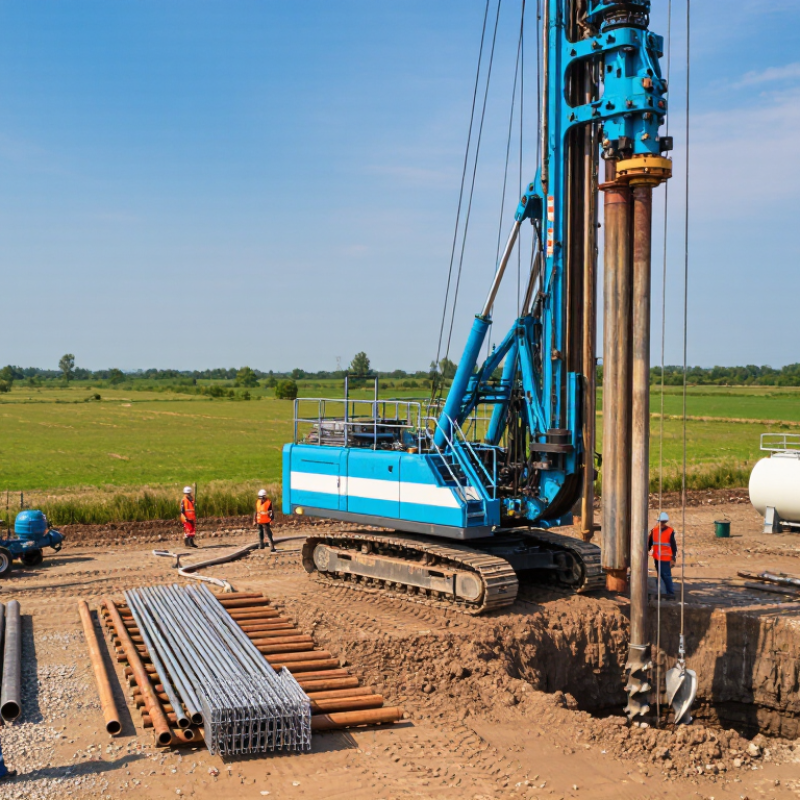
Well Drilling Equipment is used to create a borehole, manage the drilling process, and prepare the hole for reliable water access. A typical setup may include a drill rig, drill string, bit, hoisting system, and pumps. Depending on local geology and the well design, crews may also use drilling-fluid equipment, casing, and screens. The bit cuts through soil and rock; pumps help circulate fluid or remove water and cuttings. Casing supports the borehole, while screens allow groundwater to enter and help limit sediment.

The right equipment depends on depth, ground conditions, water demand, and site access. A compact rig may suit a constrained property, while harder formations can call for different tooling and greater torque. Conditions vary. Good planning includes reviewing local geological information and matching the method to the site. Still, equipment alone cannot guarantee a productive well. Groundwater levels change, formations can be unpredictable, and even a carefully planned job may need adjustment. That practical uncertainty deserves more attention than it often gets.
What Is Well Drilling Equipment Used For?

What Well Drilling Equipment Includes and How It Works

What Is Well Drilling Equipment Used For?

What Well Drilling Equipment Includes and How It Works

Well drilling equipment creates a borehole and prepares it for water access. A typical setup includes a drilling rig, mast, rotary head, drill pipe, and cutting bit. The rig supports the assembly, while the rotary head turns the pipe and bit. As the bit breaks through soil and rock, drilling fluid or compressed air carries cuttings toward the surface. Pumps, hoses, and tanks help circulate fluid; casing and a well screen support the borehole and admit water. The exact setup depends on geology and well design.

The process needs careful control. Operators monitor drilling speed, fluid flow, and the material returning from the hole. Once the target aquifer is reached, casing is installed, and the well is developed to clear fine sediment. The USGS report Estimated Use of Water in the United States in 2015 documented 82.3 billion gallons of groundwater withdrawals per day, about one-quarter of total U.S. water withdrawals. That demand makes reliable construction important. Yet equipment alone cannot guarantee a productive well; local formations can change sharply over short distances.

Tips: Check that the bit matches the expected ground, and inspect drill pipe connections before work begins. Keep a simple drilling log. Small details matter. A clean-looking borehole can still need careful development.

How Drilling Equipment Creates Wells in Different Ground Conditions

Well drilling equipment must match the ground, because soil and rock respond differently to pressure and rotation. In loose sand or gravel, an auger or rotary system can advance the hole while temporary casing helps keep the walls from collapsing. The cuttings matter. Their size, color, and moisture offer clues about changing layers, though they do not replace proper field testing.

In clay, drilling can become slow and sticky. Operators may use circulating drilling fluid to carry cuttings upward and support the borehole walls. In hard rock, a rotary bit grinds through the formation; compressed air or fluid can help clear debris. The rig, drill rods, and bit work as a system, and worn or poorly matched tools can make progress uneven. Rock can be stubborn.

As the bore reaches its planned depth, casing may be installed to separate unstable layers and protect the open well. Screens are placed across water-bearing formations so water can enter while much of the surrounding sediment stays out. Conditions can change within a few feet, so crews monitor the returns and adjust their approach. A drilling log is useful, but it can still leave questions about the formation between samples.

How Wells Provide Water for Homes and Communities

For many homes and communities, a well provides water where public supply lines do not reach. Well drilling equipment helps create a path to groundwater beneath soil and rock. A rig turns a drill bit, while rods carry force deeper into the ground. The exact setup depends on local geology and the planned well depth. It is skilled, methodical work.

After drilling, workers may install casing to help keep the borehole open and limit surface material entering it. A screen can let water pass while holding back some sediment. Then a pump lifts water to a home, storage tank, or shared distribution system. Water must be safe. Testing can check for bacteria and naturally occurring substances, though results vary by location. A clear glass is not proof of safety.

The drilling rig is only part of the story. Flow tests help estimate how much water a well can provide, and regular checks can reveal changes in performance. Not every well succeeds. Groundwater levels can shift during dry periods, and a well that serves one household may not meet a community’s needs. It is easy to focus on the hole in the ground; maintenance and careful water testing matter just as much.

What Is Well Drilling Equipment Used For? - How Wells Provide Water for Homes and Communities

Equipment Main Use Where It Fits in Well Construction How It Helps Provide Water
Drilling rig Supports and powers the drilling operation, turning the drill string and applying force to the bit. Used throughout drilling; rig design depends on the drilling method, site access, and required well depth. Creates a borehole that can reach a water-bearing formation underground.
Drill bit Breaks and cuts rock, sediment, or other material at the bottom of the borehole. Attached to the bottom of the drill string and replaced or selected according to ground conditions. Advances the borehole through layers of soil and rock toward a suitable aquifer.
Drill pipe and drill string Connect the rig to the drill bit and transmit rotation and force. Extended section by section as drilling progresses. Allow the bit to work below ground while providing a route for drilling fluid or compressed air in applicable methods.
Drilling fluid or compressed air In rotary drilling, drilling fluid can carry cuttings upward and help stabilize the borehole; air is used in some air-rotary methods to lift cuttings. Circulated through or alongside the drill string, depending on the drilling system. Helps remove drilled material so the hole can be advanced and prepared for completion.
Mud pump and circulation equipment Move drilling fluid through the drill string and back to the surface in fluid-based rotary drilling. Operate during drilling when the selected method uses circulating drilling fluid. Support cuttings removal and fluid circulation; not every drilling method uses a mud pump.
Casing Lines part of the borehole with pipe to help keep it from collapsing and to isolate selected formations. Installed in the borehole during or after drilling, according to the well design and local requirements. Provides a stable pathway for water and helps protect the well from unwanted material entering from surrounding formations.
Well screen Allows groundwater to enter the well while helping retain surrounding formation material. Placed across the water-producing interval in many wells completed in unconsolidated sediments. Helps bring water into the well while limiting sand and sediment movement.
Gravel pack In suitable screened wells, graded gravel is placed around the screen to support the formation and improve water entry. Installed in the annular space around the screen when specified by the well design. Can help reduce the movement of fine formation particles into the well.
Submersible pump Lifts water from below the water level in the well to the surface. Installed inside the completed well and connected to a rising main and power supply. Moves groundwater into a home or into a distribution or storage system for community use.
Pressure tank and controls Manage pump operation and help maintain water pressure in a pressurized supply system. Usually installed at the surface as part of the well’s water-delivery system. Help provide usable water flow to household plumbing or connected facilities; larger systems may use different storage and control arrangements.
Well development and testing equipment Remove fine material from the well and measure performance, such as water level and pumping rate. Used after construction and during commissioning or maintenance. Helps assess whether the well is producing water as intended; water-quality testing is also important before drinking use.

How Drilled Wells Support Agriculture and Industry

Well drilling equipment helps create dependable water sources for farms and industrial sites. A rotary rig turns a drill bit through soil and rock, while pumps circulate drilling fluid to cool the bit and carry cuttings upward. Crews may use casing to support unstable boreholes and screens to limit sand entering the well. The right setup depends on local geology, the required water volume, and the depth of usable aquifers.

On farms, drilled wells can supply livestock, wash equipment, and support irrigation during dry periods. A steady source can help growers plan watering around crop needs, rather than relying only on rainfall. Industrial facilities may use wells for process water, cooling, cleaning, or other site operations. Water quality matters. Testing for minerals, sediment, and possible contaminants helps determine whether treatment is needed. A drilling plan can look tidy on paper, yet field conditions often disagree; changing rock layers can slow work or alter the final well design.

Tips: Before drilling, review local groundwater information with a qualified well professional. Match the pump to the well’s tested yield, not just peak demand. Protect the wellhead from runoff, and keep clear records of depth, casing, and water tests. Small oversights can matter. Regular inspections help catch wear early, though maintenance schedules should reflect actual use and water conditions.

U.S. Freshwater Withdrawals by Use (2015)

Drilled wells provide access to groundwater used for irrigation, livestock, public water supplies, and industrial operations. The chart shows total U.S. freshwater withdrawals—including both surface water and groundwater—not withdrawals from wells alone. Values are rounded and shown in billion gallons per day. Source: U.S. Geological Survey, Estimated Use of Water in the United States in 2015 (Circular 1441).

How Equipment Helps Maintain, Test, and Repair Wells

Well drilling equipment remains useful long after a well is installed. During maintenance, technicians may use a borehole camera to inspect casing joints, screens, and visible deposits. A pump, lifting rig, and suitable hand tools help remove equipment for inspection without damaging the wellhead. Even a thin layer of mineral buildup can restrict flow. Small clues matter.

Testing tools show how a well performs under changing conditions. A water-level meter records the static level and drawdown while the pump runs. Flow meters measure output, while pressure gauges can reveal changes in the delivery system. Water samples help check quality, but they must be collected carefully to avoid contamination. Results can vary with season, pumping time, and recent rainfall, so one reading may not tell the whole story. That takes patience.

For repairs, technicians may use brushes or air-lifting equipment to clear loose sediment, and lifting tools to retrieve a damaged pump. Specialized tools can help address a displaced screen or casing problem, though not every defect is repairable from the surface. After work, the well should be tested again for flow, water level, and signs of debris. Notes on the readings and repairs are useful later; field records are sometimes incomplete, which makes comparisons harder.

bottom of page