

What Is a Smart Exercise Bike?
A Smart Exercise Bike is more than a stationary bicycle with a screen. It combines sensors, software, and connected training to track measures such as cadence, resistance, power, and heart rate. Live classes, virtual routes, and workout history can make indoor riding feel more structured. The exact features vary by model, so “smart” does not guarantee accurate metrics or useful coaching.
There is a practical reason this category attracts attention. The World Health Organization reported that about one in four adults worldwide do not meet recommended physical activity levels. Meanwhile, ACSM’s 2024 Worldwide Survey of Fitness Trends ranked wearable technology as the leading trend, reflecting growing interest in tracking exercise data. These reports describe broader fitness behavior, not proof that a connected bike alone improves health. Consistency still matters.
Peloton co-founder John Foley has described Peloton as “a technology company,” a phrase that helps explain the connected-fitness approach behind many smart bikes. In practice, the experience may mean tapping a class on the display, following resistance cues, and reviewing ride results afterward. Convenient, yes. Automatically motivating? Not always. This guide explains what a Smart Exercise Bike does, which features are meaningful, and what buyers should check before choosing one—from data accuracy and subscription costs to fit, noise, and long-term usability.
What Defines a Smart Exercise Bike?
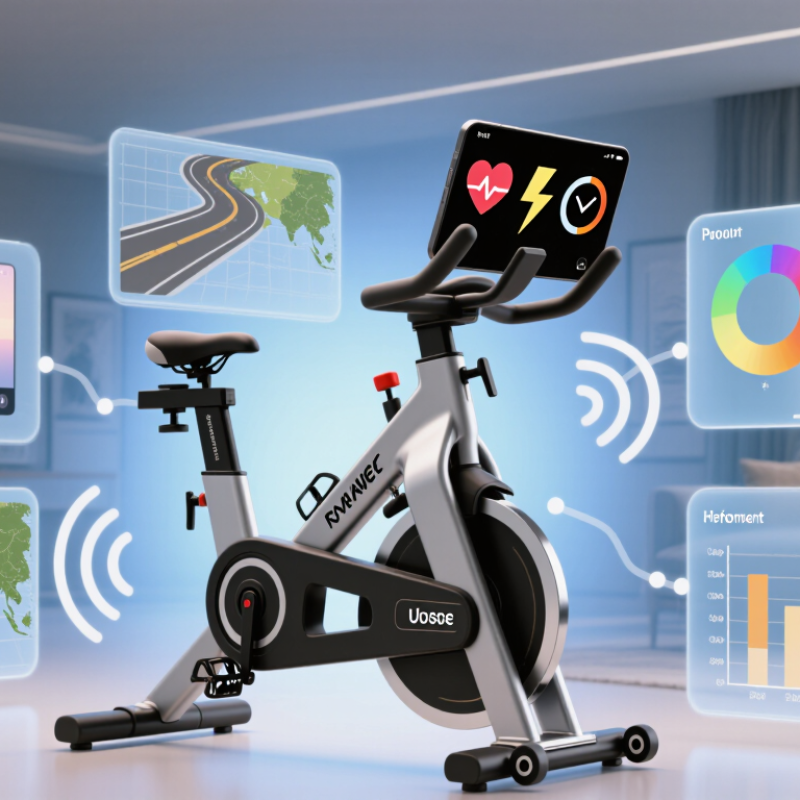
A smart exercise bike combines indoor cycling hardware with sensors, software, and feedback that changes how a rider trains. It should measure useful signals such as cadence, resistance, power, heart rate, or workout duration. A screen alone does not make a bike smart. The important part is whether its data helps someone adjust effort during a ride or understand progress later. A brief interval might show cadence rising while resistance stays steady. That detail is more useful than a flashy dashboard with no clear meaning.
Connectivity is another defining feature. A smart bike can sync workouts with an app, display guided sessions, or share performance data with compatible devices. The American College of Sports Medicine’s 2024 Worldwide Survey of Fitness Trends ranked wearable technology first and mobile exercise apps seventh. Those rankings show strong interest in digital tracking, though they do not prove that every connected feature improves fitness. The data needs context. A power reading can guide training, but poor calibration may mislead a rider. I’d check whether measurements are explained, saved, and easy to review. Less clutter helps. A bike may offer live coaching and detailed charts, yet still feel confusing when a rider just wants a steady twenty-minute session. That trade-off is worth noticing.
Core Components and Connected Technologies
What Is a Smart Exercise Bike?
Core Components and Connected Technologies
A smart exercise bike pairs familiar cycling parts with sensors and software. Its frame supports the rider, while adjustable seat and handlebars help create a steady position. The pedals drive a flywheel or similar resistance system. On many models, resistance changes electronically during a workout. Small details matter. A slipping seat clamp or poorly aligned pedal can distract from training, even when the screen looks impressive. Before riding, check that the bike sits level and the contact points feel secure.
Sensors may track cadence, estimated power, heart rate, and ride duration. A console or connected device displays these readings and can link workouts to guided classes or training plans. Some bikes adjust resistance to match a session; others leave control to the rider. Connectivity depends on compatible devices, signal quality, and correct setup. Readings are useful for comparing effort over time, but they are not automatically exact measurements. Heart-rate data can shift when a sensor fits loosely, and estimated power varies by system. A polished dashboard can still hide uncertainty. That is worth remembering when choosing a target pace.
How a Smart Exercise Bike Works
A smart exercise bike turns pedaling into measurable feedback. Sensors track cadence, estimated power, and sometimes heart rate from a paired monitor. A small computer sends these readings to a screen or training app, often through Bluetooth or Wi-Fi. The display can show speed, resistance, time, and workout targets as you ride. When a session calls for more effort, the bike may raise resistance automatically or show a level for you to adjust. That is the loop. You pedal, the sensors respond, and the workout changes.
The resistance system usually uses magnetic braking controlled electronically. The console compares your output with a target and adjusts the brake, or prompts you to turn a knob. Some bikes simulate hills, while others keep resistance steady during intervals. Connectivity can add coaching and saved workout data, but readings depend on setup and sensor quality. A loose pedal, poor fit, or uncalibrated power estimate can make the numbers feel odd. The screen can also distract from posture. Check your saddle height and choose a comfortable cadence, even when the workout is urging you faster.
What Is a Smart Exercise Bike? - How a Smart Exercise Bike Works
| Feature or Component | How It Works | What the Rider Sees or Does | Useful Detail |
|---|---|---|---|
| Resistance system | A flywheel provides the pedaling load. Depending on the bike, resistance may be adjusted mechanically or by a motor-controlled magnetic system. | The rider changes resistance with a control, or the bike adjusts it during a compatible workout. | Automatic resistance is not available on every smart bike. |
| Cadence measurement | A sensor detects crank or flywheel movement and estimates pedal speed in revolutions per minute (RPM). | Cadence can appear on the bike display or in a connected training app. | Cadence measures pedal rate, not how hard the rider is pushing. |
| Power measurement | Some bikes estimate or measure cycling power, reported in watts, using sensor data and the bike's resistance system. | The rider can use watts to monitor effort and compare performance across workouts. | Measurement methods and accuracy vary by model. |
| Connectivity | Wireless connections, commonly Bluetooth and sometimes Wi-Fi, can link the bike with compatible devices, apps, or heart-rate monitors. | Workout data may be sent to an app, while a display may receive workout or sensor information. | Supported connections and compatible devices differ between bikes. |
| Workout guidance | A screen, app, or connected device can present structured sessions, such as intervals, steady rides, or target-effort workouts. | The rider follows on-screen instructions and adjusts cadence or resistance to meet workout targets. | Some guided content may require an internet connection or a paid subscription. |
| Performance tracking | The bike or app records available workout metrics, which may include time, distance, cadence, resistance, heart rate, or power. | The rider can review workout summaries and, where supported, track changes over time. | Displayed metrics depend on the sensors and features included with the bike. |
| Heart-rate monitoring | A compatible chest strap or optical monitor can send heart-rate readings to the bike or training app. | The rider can view heart rate during exercise and use it as one indicator of effort. | Heart-rate monitoring may require a separately purchased compatible sensor. |
| Power and setup | The pedals and flywheel are driven by the rider. Electronic displays and connectivity features may need household electrical power or batteries. | The bike can usually be pedaled without workout streaming, but some electronic features may be unavailable when unpowered. | Power requirements vary; check the product's specifications before setup. |
Note: “Smart exercise bike” describes bikes with digital sensing or connected training features; the exact functions vary by model.
Interactive Training Features and Data Tracking
What Is a Smart Exercise Bike?
Interactive Training Features and Data Tracking
A smart exercise bike connects indoor riding with guided workouts, live metrics, and sometimes automatic resistance changes. A screen may show an instructor, a route, or a simple interval timer. During a short effort, resistance can rise while the display tracks cadence and power. That feedback makes each interval easier to pace. Not every bike offers the same features.
Data tracking can include speed, distance, estimated calories, cadence, and power in watts. Some systems also read heart rate from a compatible sensor. These numbers help riders compare sessions, such as whether they held a steadier cadence across several five-minute intervals. Keep the setup consistent. Seat height, sensor placement, and calibration can affect readings, so small differences do not always mean fitness has changed.
The numbers are useful, but not magic. Calorie figures are estimates, and heart-rate readings can vary with sensor fit or movement. A workout screen may also depend on a stable internet connection or software subscription. Before a ride, check that the seat is secure and the resistance responds smoothly. That matters. Tracking can encourage steady progress, but chasing every metric may distract from comfortable form and sensible effort.
Common Types and Key Differences
What Is a Smart Exercise Bike?
Common Types and Key Differences
Smart exercise bikes generally fall into three overlapping types: connected bikes, bikes with automatic resistance, and sensor-equipped bikes. A connected bike pairs its display or a personal device with guided classes, training plans, or performance data. Some models still require riders to adjust resistance by hand. That distinction matters. A screen alone does not mean the bike changes the workout for you.
Automatic-resistance bikes can adjust effort to match a class or programmed interval. Sensor-equipped bikes focus on tracking measures such as cadence and power, then sending that data to compatible training software. Heart-rate readings usually require a separate compatible sensor. Numbers are useful, but accuracy can vary with sensor quality, setup, and maintenance. A loose pedal or poorly calibrated power sensor may skew a session. Not glamorous, but worth checking.
When comparing types, consider what you will actually use. A bright display may help you follow a class, while quiet resistance changes may matter more in a shared room. Check whether the bike needs a subscription or works with other training apps. Also test the fit: seat height, handlebar reach, and pedal position affect comfort over longer rides. “Smart” is a broad label, and I would not choose by the screen alone.