

top of page

Why Choose an Automatic Feeding Gluing Machine?

Choosing an Automatic Feeding Gluing Machine is a practical decision about more than speed. It affects how consistently a plant feeds, folds, and bonds cartons across a working shift. In a busy packaging line, missed feeds or uneven glue can mean rework, wasted board, and delayed orders. Small faults add up.

Workforce pressure makes automation worth evaluating. Deloitte and the Manufacturing Institute’s 2024 workforce study estimates that up to 1.9 million U.S. manufacturing jobs could remain unfilled by 2033. This is a broad manufacturing forecast, not a machine-specific result. Still, it highlights why converters are reviewing ways to reduce repetitive handling and keep skilled operators focused on setup and quality checks. That matters.

A well-matched machine can support steadier feeding, repeatable folding, and controlled adhesive application. Actual results depend on carton dimensions, board grade, glue type, line speed, and operator training. Buyers should compare verified throughput figures under their own production conditions, not rely on a headline maximum. Ask for a live trial. Check changeover time, cleaning access, guarding, and service support, too. One detail is easy to miss: a fast machine may not help if upstream blanks arrive inconsistently. It is not magic.

This guide examines the main benefits, operating considerations, and selection questions behind an Automatic Feeding Gluing Machine. The goal is a better-informed investment, not an assumption that automation solves every production problem.
Why Choose an Automatic Feeding Gluing Machine?

What an Automatic Feeding Gluing Machine Is

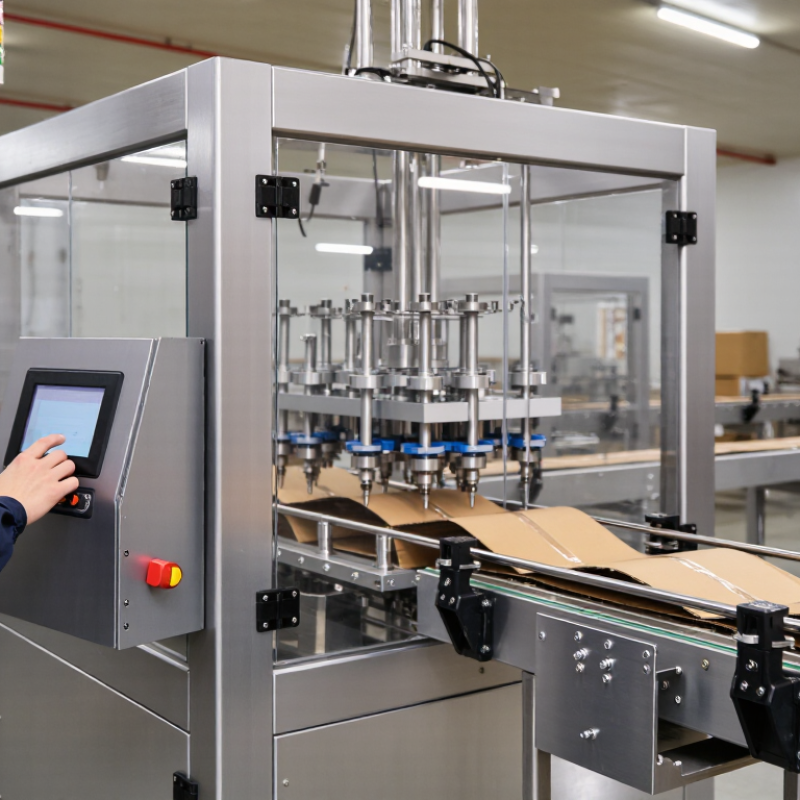
An automatic feeding gluing machine takes stacked, flat blanks through feeding, alignment, adhesive application, folding, and compression. Depending on its configuration, it may process cartons, paperboard sleeves, or corrugated components. Operators set the blank size, glue pattern, and speed, then inspect the first pieces by hand. Small adjustments matter.

A friction feeder or vacuum belt separates blanks; guides square them before glue wheels or nozzles apply adhesive. The folded piece then passes through a pressure section, where bonding begins before discharge. Sensors may flag skewed sheets or low glue, but setup and adhesive viscosity still affect results. One missed check can leave a neat-looking carton with a weak seam.

Smithers’ The Future of Global Packaging to 2028 projects the global packaging market will reach about $1.3 trillion by 2028. That figure describes packaging demand, not machine performance. For a buyer, useful specifications include blanks per minute, changeover time, glue-placement tolerance, and supported board thickness. Request trials with your own stock. Even then, expect tuning.

How Automatic Feeding and Gluing Work

Why Choose an Automatic Feeding Gluing Machine?

How Automatic Feeding and Gluing Work

An automatic feeding and gluing machine moves material through a controlled sequence. A feeder separates sheets, cartons, or other parts and sends them toward the working area. Guides help keep each piece aligned. Sensors may detect position or spacing, though their role depends on the machine design. The glue unit then applies adhesive through a nozzle, roller, or another applicator. The amount and pattern are set for the material and job. Pressure belts or rollers can hold the pieces together while the bond begins to form. It is a coordinated process, not a single action.

Small adjustments matter. Operators typically check feed alignment, adhesive flow, and pressure before a production run. Too much glue can cause squeeze-out; too little may leave weak or uneven bonds. A dusty surface or warped sheet can also disrupt feeding. That part can be fussy. Test a few pieces and inspect the bond before increasing speed. Different materials absorb adhesive differently, so settings that work for one batch may not suit the next. Automatic operation can improve consistency, but it still needs sensible setup and routine checks.

Key Components and Their Functions

An automatic feeding gluing machine depends on several components working together. The feeder separates flat blanks and sends them forward at a controlled pace. Vacuum cups lift each sheet; adjustable guides keep its edges aligned. Small misalignment matters. It can shift the fold or leave a glue line exposed. FEFCO’s 2022 European Database reports 47.6 billion square metres of corrugated board production in Europe. That figure describes industry scale, not machine performance. Still, it helps explain why stable converting processes matter.

The glue applicator meters adhesive through nozzles or rollers onto specified panels. A folding section then forms the blank, while pressure belts hold the joint long enough to bond. Sensors can detect missing blanks or interruptions, and the controller adjusts feed timing. These parts need careful setup. Too much glue can squeeze out; too little may leave a weak seam. In practical operation, operators should inspect nozzle patterns, belt pressure, and registration during changeovers. One detail is easy to miss: board moisture and surface condition can affect bonding, even when machine settings stay unchanged. A quick visual check helps, but it does not replace bond testing.

Benefits Compared with Manual Gluing

Why Choose an Automatic Feeding Gluing Machine?

Benefits Compared with Manual Gluing

Manual gluing relies on steady hands, consistent pressure, and repeated positioning. An automatic feeding gluing machine moves sheets through a controlled path, helping keep glue lines and placement more consistent across a production run. Operators can spend less time feeding and applying adhesive by hand, and more time checking alignment, glue coverage, and finished parts. That shift can matter during long runs. Small errors still happen.

The broader manufacturing evidence supports automation, but not as a guaranteed shortcut. McKinsey’s 2015 report, Industry 4.0: How to Navigate the Digitization of the Manufacturing Sector, estimated potential annual productivity gains of 3–5% from digitization. That figure covers manufacturing broadly, not gluing machines specifically. The U.S. Bureau of Labor Statistics reported that musculoskeletal disorders accounted for 30% of private-industry injury and illness cases involving days away from work in 2018. Repetitive manual tasks can contribute to physical strain, though equipment design and work conditions differ. A machine also needs setup, cleaning, and maintenance; poor adjustments can waste adhesive or misfeed sheets. Results depend on the material, glue, and operator training. A real production trial is still the fairest test.

Why choose an automatic feeding gluing machine? In this illustrative scenario, processing 100 pieces takes 20 minutes manually and 8 minutes with automatic feeding and gluing—a 60% reduction in batch time.

Example calculation, not an industry benchmark: assumes rates of 5 pieces per minute for manual processing and 12.5 pieces per minute for automatic processing. Actual results vary with materials, setup, machine settings, and operator workflow.

Common Applications and Suitable Materials

An automatic feeding gluing machine is useful when flat pieces need steady feeding and accurate adhesive application. Common work includes folding cartons, paper bags, envelopes, file folders, and lightweight display pieces. In a carton shop, operators can feed blanks, apply a controlled glue line, and fold panels before the adhesive sets. That matters. Consistent feeding can reduce skewed edges and uneven overlaps during repeat runs.

Suitable materials often include corrugated board, solid paperboard, kraft paper, and coated paper, provided the adhesive matches the surface. Some machines can handle laminated sheets or thin flexible materials, but stiffness, thickness, and surface finish affect feeding. A glossy coating may resist bonding; porous kraft may absorb glue quickly. Test first. The right adhesive and roller or nozzle setup depend on stock weight, fold design, and production speed.

Typical uses range from shipping cartons and takeaway packaging to mailers, product sleeves, and paper-based inserts. For short runs, quick changeovers can help; high-speed lines need stable sheet separation and reliable registration. Still, automation is not magic. Warped blanks, dusty surfaces, or inconsistent glue viscosity can cause jams, weak seams, and rework. A small sample run can reveal these issues before a full batch begins.

Why Choose an Automatic Feeding Gluing Machine? - Common Applications and Suitable Materials

Common Application Typical Product Suitable Materials Common Adhesive Options Why Automatic Feeding and Gluing Helps Key Considerations
Folding carton production Retail cartons, sleeves, and straight-line or crash-lock-bottom boxes Coated or uncoated paperboard, folding boxboard, and some laminated paperboard Water-based cold glue or hot-melt adhesive, selected for the board coating and production requirements Feeds blanks in sequence and applies adhesive consistently, supporting repeatable folding and bonding at production speed. Board thickness, blank dimensions, crease quality, coating, and adhesive setting time affect performance.
Corrugated packaging Shipping boxes, mailer boxes, and corrugated trays Single-wall or double-wall corrugated board, subject to machine capacity and blank design Water-based adhesive is commonly used for paper-to-paper bonding; hot melt may be used for selected designs or processes Automated blank handling and glue application can reduce repetitive manual work and help maintain consistent glue placement. Flute profile, board warp, dust, blank size, and compression or folding requirements should be checked.
Paper bag and envelope converting Paper bags, mailing envelopes, and paper-based pouches Kraft paper, sack paper, envelope paper, and compatible coated or laminated papers Water-based adhesive for many paper seams; hot melt for applications requiring rapid tack or specific seam performance Controlled feeding and adhesive placement help produce uniform seams while reducing manual handling. Paper porosity, weight, surface treatment, seam design, and required bond strength influence adhesive selection.
Paperboard display and promotional packaging Point-of-sale displays, product holders, and small presentation boxes Paperboard, corrugated board, and compatible printed or laminated stock Water-based cold glue or hot melt, depending on surface properties and assembly needs Repeatable feeding and gluing can support consistent assembly across batches with multiple glue lines. Complex folds, printed surfaces, laminate films, and short set-up runs may require machine and adhesive trials.
Book and document finishing Paper covers, folders, and selected paper-based components Paper, paperboard, and compatible coated stocks Water-based adhesives or other bookbinding adhesives appropriate to the specific operation Automated material handling can improve process consistency for repetitive gluing tasks. Not every bookbinding process is suited to a carton-style gluing machine; confirm the required feed, fold, and bond format.
Paper-based food packaging Cartons, sleeves, and trays used for food packaging Paperboard or corrugated board with food-packaging-compatible coatings or barriers Adhesive approved for the intended packaging use and applicable food-contact requirements Controlled application can help keep adhesive within designated seams and support repeatable production. Verify regulatory suitability, migration requirements, drying or curing conditions, and compatibility with coatings.

Selection note: Material compatibility depends on the machine’s feeder and gluing configuration, blank geometry, surface treatment, adhesive specification, and production conditions. Confirm suitability with material and adhesive trials before full-scale production.

bottom of page