What Is a Coffee Robot Machine and How Does It Work?
A Coffee Robot Machine combines coffee equipment, robotics, sensors, and software in one automated workstation. It can grind beans, measure a dose, tamp the grounds, control water temperature, and extract espresso with limited human assistance. Some models also steam milk, prepare drinks, accept digital orders, and rinse their internal lines after service. The process may look simple from the outside. Inside, several precise steps must happen within seconds.
In a busy café, an operator might watch beans fall into a grinder before the machine adjusts the dose automatically. A sensor can check brewing pressure, while software records temperature and extraction time. These details help create more consistent drinks than rushed manual preparation often allows. However, consistency is not the same as perfection. Bean freshness, milk quality, cleaning routines, and calibration still influence every cup. It is not magic.
Understanding how a Coffee Robot Machine works requires more than studying its moving arms. Reliable operation depends on food-safe materials, clear maintenance procedures, and regular checks by trained staff. Manufacturers and experienced baristas usually recommend cleaning brew groups, emptying waste containers, and inspecting sensors according to documented schedules. Neglecting these tasks can produce bitter flavors, weak crema, or avoidable equipment faults. This guide examines the machine’s main components, its brewing sequence, and the practical limits that users should consider before trusting automation. A robot can repeat a recipe. It cannot fully replace judgment.
Definition and Core Components of a Coffee Robot Machine
What Is a Coffee Robot Machine and How Does It Work?
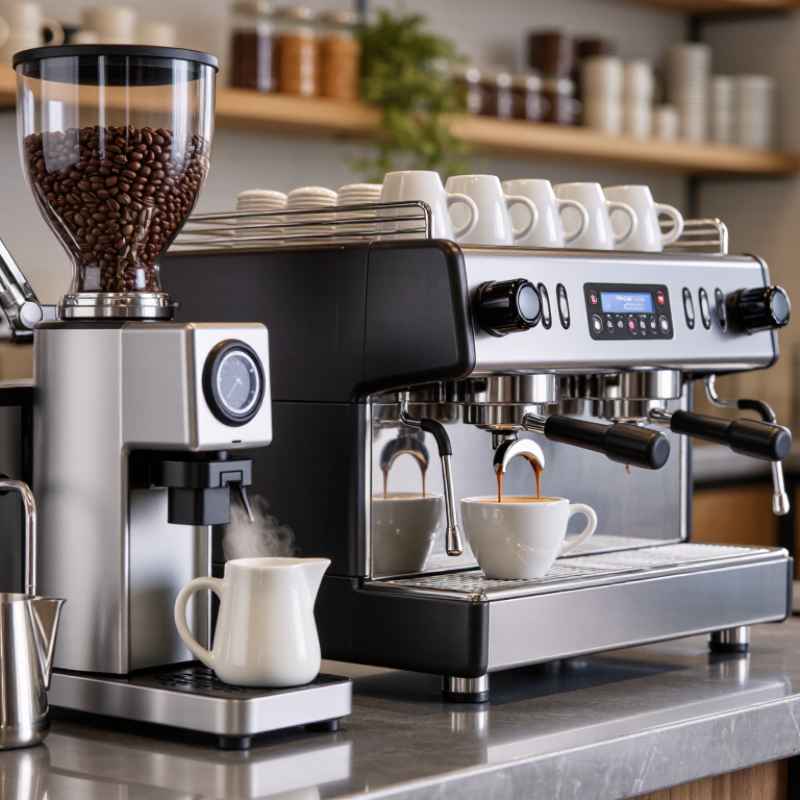
A coffee robot machine is an automated system that prepares drinks with limited human assistance. Its core components include a user interface, grinder, dosing unit, brewer, heater, pump, sensors, and control software. Think of it as a compact coffee station. The interface receives a drink order, while the controller coordinates each mechanical step. The grinder breaks roasted beans into a measured dose. A dosing chamber then moves the grounds into the brewing unit.
The heating system maintains water at a controlled temperature, usually near the range needed for balanced extraction. A pump pushes water through the coffee bed at measured pressure. Sensors monitor water level, temperature, door position, and waste capacity. If a reading falls outside its programmed range, the machine can pause or request attention. Some systems also manage milk through a separate container, tube, and dispensing nozzle. Every component must work together precisely.
In practical use, calibration matters as much as automation. A slightly coarse grind may produce weak coffee, while excessive pressure can create bitterness. Software cannot fully correct stale beans or poor water quality. This is an important limitation. Cleaning also requires human care, especially around milk pathways and brewing chambers. Engineers may design automatic rinsing cycles, but these cycles are not perfect. Regular inspection remains necessary for hygiene, consistent flavor, and dependable operation.
How a Coffee Robot Machine Receives and Processes Orders
A coffee robot machine combines automated brewing, ingredient control, payment processing, and order management. Its order process begins at a touchscreen, mobile interface, or service counter. The customer chooses a drink, size, temperature, and optional ingredients. The system then displays the price and confirms the order before production starts.
Small details matter.
After payment confirmation, the control system assigns the order a queue position. It sends instructions to grinders, pumps, heaters, and dispensing valves. Each component follows a programmed sequence, while sensors check water temperature, ingredient levels, and cup placement. If the cup is missing, production should stop. If milk runs low, the system can flag the order or suggest another option. The machine also records preparation times, which helps staff identify delays and maintain consistent quality.
The process is fast, but not infallible. A touchscreen may misunderstand a selection, or a sensor may report an incorrect reading. Human monitoring remains useful, especially during cleaning, refilling, and unusual orders. Operators should review system alerts instead of trusting automation blindly. That assumption can fail. Clear order displays, secure payment steps, and accurate status messages also improve customer confidence. In practice, the best machines balance speed with careful verification, rather than treating every order as a perfectly predictable task.
The Step-by-Step Coffee Preparation Process
What Is a Coffee Robot Machine and How Does It Work?
A coffee robot machine automates several steps that baristas usually perform by hand. It measures beans, grinds them, and controls the brewing cycle. The process begins when the user selects a drink and confirms the cup size. A built-in sensor checks the bean supply and water level. The grinder then adjusts the beans into a fresh, even dose. The machine moves the grounds into a brewing chamber and presses them with controlled pressure.
Hot water passes through the coffee at a managed temperature and speed. This stage extracts flavor, aroma, and body from the grounds. If milk is selected, a separate system heats and dispenses it into the cup. The finished drink appears within a few minutes. Not every result is perfect. Humidity, bean age, and grinder wear can change the flavor noticeably.
Tips: Keep the water reservoir clean and refill it with fresh water. Empty the grounds container before it becomes crowded. Wipe the milk outlet after every use. A small residue can affect taste and hygiene. I also recommend checking the first cup of the day. Its flavor may reveal a blocked nozzle or an incorrect grind setting. These simple checks make the automated process more consistent.
Automation, Sensors, and Control Systems Behind the Machine
A coffee robot machine combines brewing hardware with software that coordinates each movement. An order enters through a digital interface, then the control system translates it into timed commands. Motors position the cup, grinders measure beans, and valves direct water through separate lines. Small delays matter. A cup can overflow when timing drifts by only a few seconds.
Sensors provide the machine with constant feedback during preparation. A load cell checks coffee dose and cup weight. Temperature sensors monitor the boiler and brewing water. Optical sensors confirm cup placement, while flow meters detect unusual water movement. The controller compares these readings with programmed limits and adjusts pressure, temperature, or duration. This closed-loop process is more dependable than fixed timers alone. Still, sensors can become dirty. A dusty optical lens may report an empty space incorrectly.
Automation also manages cleaning cycles, waste levels, milk dispensing, and safe shutdowns. The system records faults so technicians can trace repeated errors instead of guessing. In routine testing, calibration deserves as much attention as mechanical design. Fresh beans, humidity, cup shape, and water hardness can change results. A well-designed machine compensates for some variation, but it cannot remove every human inconsistency. That limitation is important. Operators still need to inspect seals, refill supplies, and verify drink quality.
What Is a Coffee Robot Machine and How Does It Work?
A coffee robot combines automated motion, sensors, and control software to repeat key preparation steps. The chart shows a representative espresso preparation cycle and the approximate time spent in each automated stage.
How it works: Sensors monitor position, temperature, flow, and pressure while the controller coordinates the grinder, dosing mechanism, brewing unit, pump, and dispensing system. Actual timings vary with the recipe, machine design, and beverage type.