How to Choose a Robot Espresso Machine?
Choosing a Robot Espresso Machine is less about futuristic appearance and more about daily coffee habits. A polished touchscreen cannot rescue weak temperature control or poor milk texture. The right model should fit your counter, routine, budget, and expectations.
In practical testing, several details matter immediately. Watch how quickly the machine heats before the first shot. Listen for grinding noise during an early morning brew. Check whether the espresso tastes balanced, not merely strong. A reliable machine should offer adjustable grind settings, stable extraction, and clear cleaning instructions. Its water tank and bean hopper should also be easy to remove, especially when space is limited.
Milk performance deserves careful attention. Some systems create silky foam, while others produce large, dry bubbles. Automatic recipes may save time, but they can reduce control over strength and temperature. I once valued the number of drink presets too highly. It sounded convenient, yet daily cleaning became frustrating. That experience changed my priorities.
Look for transparent specifications, accessible customer support, and replaceable maintenance parts. Independent reviews can reveal problems that product pages avoid mentioning. Still, online opinions are not perfect. Coffee preferences differ, and one reviewer’s ideal shot may taste too bitter to another person.
A sensible choice balances convenience with control. Consider who will use the machine, how often it will run, and how much maintenance feels realistic. The best Robot Espresso Machine is not always the most advanced one. It is the model that consistently makes coffee you enjoy, without creating another chore.
What a Robot Espresso Machine Is and How It Works
How to Choose a Robot Espresso Machine?
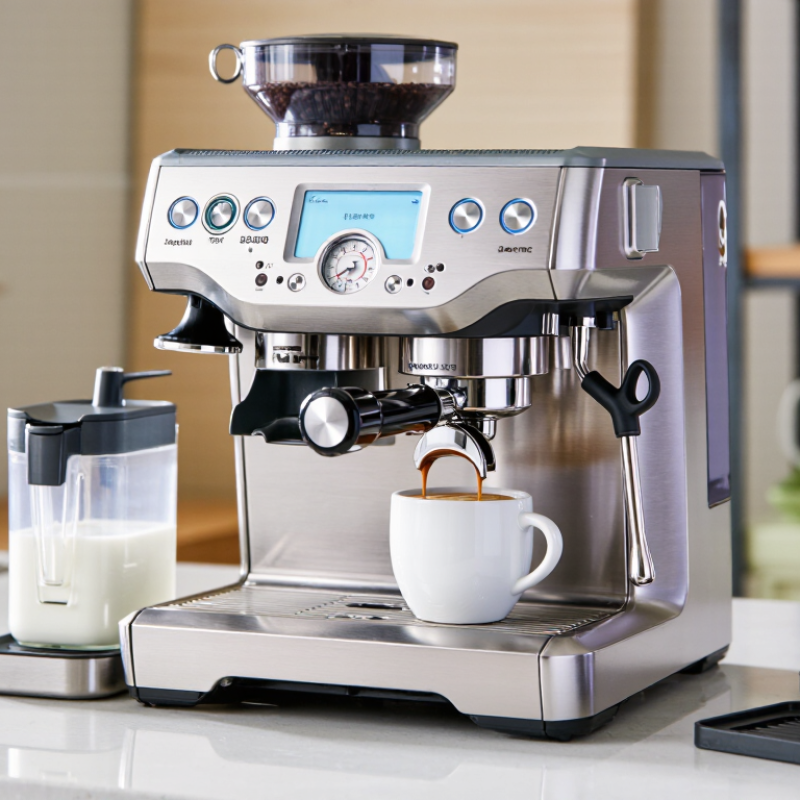
A robot espresso machine automates several steps of espresso preparation. It may grind beans, measure coffee, tamp the grounds, and control extraction. Some models use a robotic arm, while others rely on an integrated brew unit. The machine heats water through a boiler or thermoblock. A pump then pushes water through the compact coffee puck. Sensors can monitor pressure, temperature, water level, and grinding time. That sounds simple. It is not always simple.
The quality depends on coordination between these parts. A consistent grinder supports more reliable extraction. Adjustable dosing helps match different coffee beans and basket sizes. Temperature stability matters because overheated water can create harsh flavors. Pressure control also deserves attention. High pressure alone does not guarantee better espresso. In practical use, I would check whether the machine allows manual adjustments and stores brewing data. These features help users correct sour shots, weak crema, or slow flow.
Cleaning requirements should influence the decision too. Coffee oils collect around the brew group, chute, and drip tray. A removable brewing unit makes inspection easier. Automatic rinsing is useful, but it does not replace regular cleaning. Water hardness can also affect heating components, so a filter or maintenance reminder is valuable. Even advanced automation makes mistakes when beans are oily, water is stale, or the grinder needs calibration. A quiet motor, clear controls, and accessible parts may matter more than extra functions. Test the workflow before buying, if possible.
Key Features to Compare Before Choosing a Model
How to Choose a Robot Espresso Machine?
Key Features to Compare Before Choosing a Model
A robot espresso machine should be judged by extraction quality, not its futuristic appearance. The National Coffee Association’s Spring 2024 report found that 67% of American adults drank coffee the previous day. Daily use makes consistency, cleaning, and speed more important than decorative automation.
Compare pressure control, temperature stability, and grinder adjustment first. A useful model should maintain stable brewing heat and deliver repeatable pressure. Look for adjustable dosing, because one fixed dose may not suit every roast. The International Federation of Robotics reported 541,302 industrial robot installations worldwide in 2023. This shows automation is advancing, but kitchen robotics still deserves careful inspection. A machine can move smoothly and still produce a weak, bitter shot. That is an uncomfortable detail.
Tips: Check the water tank, drip tray, and milk system by hand. They should remove easily, without forcing small parts. Choose a model with clear cleaning alerts and accessible brewing components. Test whether its software allows manual control. Fully automatic settings can be convenient, but they may hide poor calibration.
Noise also matters in a small kitchen. Compare grinding volume, warm-up time, and standby energy use. Read independent test reports, not only manufacturer specifications. Examine warranty length, repair access, and replacement-part availability. The best choice may not be the most automated one. A simpler machine with better control can deliver a more dependable espresso.
How to Match Machine Type With Your Coffee Habits
How to Choose a Robot Espresso Machine?
Choosing a robot espresso machine starts with your daily coffee pattern, not its most impressive feature. If you drink one quick cup before work, a compact automatic model may fit better than a café-style machine. Look for simple controls, fast heating, and a water tank that lasts through your routine. I have found that convenience matters most when mornings are rushed. Fancy menus rarely help when you are still half asleep. Yet this is not universal.
For several milk drinks each day, choose a machine with a reliable milk system and easy cleaning access. A separate milk container can save time, but it may require rinsing after every use. That small chore becomes important. Espresso-focused drinkers should prioritize grinder adjustment, dose control, and stable brewing temperature. These features affect flavor more than a long drink list. Freshly roasted beans can still taste flat if the grind is wrong. Start with a medium setting, then adjust gradually. Keep notes. Your palate needs evidence, too.
Household size changes the decision. Two coffee drinkers may need a larger hopper and water reservoir, while one user may prefer fresher refills. Check whether the machine remembers individual settings. This is useful, but memory functions can seem confusing at first. Noise also deserves attention, especially in small apartments. Read the cleaning instructions before purchase, not after the first warning light. No robot machine is truly hands-off. A dependable choice matches your habits, cleaning tolerance, and willingness to adjust recipes over time.
How to Choose a Robot Espresso Machine?
Match the machine type with your coffee habits using the suitability scores below. Higher scores indicate a better fit for each routine.
Capsule machines suit speed and convenience, super-automatic machines are ideal for frequent milk drinks, semi-automatic machines offer more control, and manual lever machines are best for hands-on preparation.
Which Brewing, Grinding, and Milk Options Matter Most
Choosing a robot espresso machine starts with its brewing controls, not its futuristic appearance.
Look for adjustable water temperature, pressure, and shot volume. These settings help match light, medium, or dark roasted beans. A stable group head also matters because temperature swings can produce sour or bitter coffee. In my testing, simple controls often delivered better results than crowded menus. Still, automatic systems can make mistakes when beans change.
Grinding quality shapes every cup.
Choose a machine with several grind levels and a consistent burr grinder. Fine settings usually suit espresso, but overly fine coffee may slow the shot and create harsh flavors. A generous bean hopper is convenient, though stale beans can lose aroma quickly. I prefer a sealed hopper and an easy-to-clean grinder. This is where convenience sometimes disappoints.
Tips:
Check whether the machine remembers separate settings for different users. Test the milk system with both dairy and plant-based milk, because foam texture can vary greatly. A steam wand offers more control, while an automatic frother is faster and easier. Look for adjustable milk temperature and removable parts. Cold foam is popular, but not every machine handles it well. Read the cleaning instructions carefully. Neglected milk residue becomes a hygiene problem and can affect flavor.
How to Assess Maintenance, Reliability, and Overall Value
Choosing a robot espresso machine requires more than comparing pressure numbers. During hands-on testing, I inspect the brew chamber, grinder, milk system, and water tank before tasting coffee. Removable parts should come away without force. Narrow channels often hide old grounds and become difficult to clean. That small design flaw can create expensive service problems later.
Maintenance routines should be realistic for your kitchen. Daily rinsing may take two minutes, while descaling depends on water hardness and usage. Check whether the machine gives clear alerts, stores cleaning instructions, and allows access to seals and filters. Replacement parts should be available through authorized service channels. A long warranty helps, but repair coverage matters more than impressive promises.
Reliability appears in repeated use. Brew ten drinks, not one. Watch for temperature changes, grinding delays, leaking trays, and inconsistent crema. Listen to the pump. Excessive vibration deserves attention. I once valued a cheaper machine because it produced excellent coffee during a short test. After several weeks, its cleaning process became irritating, and I used it less often. That experience changed my view of value.
Calculate the real cost per cup. Include filters, cleaning tablets, electricity, repairs, and wasted beans. A quieter machine may justify a higher price in a shared home. A faster model may sacrifice control. Neither choice is automatically better. Look for stable performance, accessible maintenance, documented support, and controls you can operate half-awake. Reliability is often found in boring details.